
[email protected]

+44 (0)20 3773 4895

logologologo
  • About Us
    • The College
    • Advisory Board
    • Our Faculty and Team
    • Intelligence Hub
  • Topic Areas
    • Obesity Care
    • Digital Health
    • Behaviour Change
  • Courses
    • CPD Short Courses
    • PGCert in Obesity Care
    • PGCert in Digital Health
  • Apply
    • Postgraduate Qualification in Obesity Care
    • Postgraduate Qualification in Digital Health
    • FAQs
  • Resources
    • News
    • Our Publications
    • Monthly News Bulletins
    • Funding Options
  • Contact Us
    • Contact Us
  • Student Login

No products in the cart.

logologologo
  • About Us
    • The College
    • Advisory Board
    • Our Faculty and Team
    • Intelligence Hub
  • Topic Areas
    • Obesity Care
    • Digital Health
    • Behaviour Change
  • Courses
    • CPD Short Courses
    • PGCert in Obesity Care
    • PGCert in Digital Health
  • Apply
    • Postgraduate Qualification in Obesity Care
    • Postgraduate Qualification in Digital Health
    • FAQs
  • Resources
    • News
    • Our Publications
    • Monthly News Bulletins
    • Funding Options
  • Contact Us
    • Contact Us
  • Student Login

No products in the cart.

  • About Us
    • The College
    • Advisory Board
    • Our Faculty and Team
    • Intelligence Hub
  • Topic Areas
    • Obesity Care
    • Digital Health
    • Behaviour Change
  • Courses
    • CPD Short Courses
    • PGCert in Obesity Care
    • PGCert in Digital Health
  • Apply
    • Postgraduate Qualification in Obesity Care
    • Postgraduate Qualification in Digital Health
    • FAQs
  • Resources
    • News
    • Our Publications
    • Monthly News Bulletins
    • Funding Options
  • Contact Us
    • Contact Us
  • Student Login
April 18, 2017 by Nigel Hinchliffe Obesity Care 0 comments

Mobile health interventions – Improving youth health outcomes

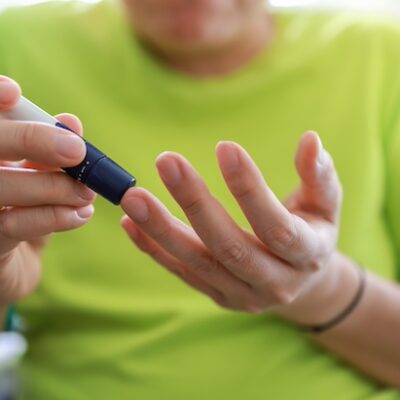
A new meta-analysis has been published in JAMA Pediatrics that assesses the use of mobile-phone apps, and improved health outcomes, in children. Up until now, the only systematic review of mHealth intervention effectiveness focused exclusively on childhood obesity. The authors found that overall, smartphones can be extremely useful in not only promoting healthy behaviours such as diet and exercise, but also promoting the uptake of vaccines amongst children. They analysed 37 studies in total, looking at evidence that behaviours were changed in children (defined as 18 years old or younger). As many children now have access to mobile phones the authors wanted to thoroughly examine this modality as a form of education for children, parents and caregivers.

mHealth interventions can reach many people and can contain dynamic health-related data, further to this using certain algorithms these apps can deliver personalised advice at times when a caregiver may not be available. However the authors are keen to highlight that the best results were seen when a caregiver was still involved in the process and given the early stage of mHealth literature, these results must be replicated and furthered to fully examine the extent to which a caregiver should be involved, and what type of professional this is.

PREV
NEXT

Related Posts

Woman with overweight jogging.
October 22, 2024
Surge in endometrial cancer among younger women linked to rising obesity rates
Read More
Friends enjoying some burgers outdoors
October 9, 2023
Student’s bad eating habits could herald lifelong illness
Read More
August 15, 2015
Benefits of laparoscopic sleeve gastrectomy diminish with time
Read More
July 22, 2016
Risk of premature death increases, alongside risk of obesity and overweight
Read More

CCH LINKS

FAQ
HOW TO APPLY
ACADEMIC ADVISORY BOARD
FACULTY AND STAFF
TERMS & CONDITIONS
CCH EDUCATION SERVICES

OUR PARTNERS

NOF
Haringey Obesity Alliance
Skills Active
CPD UK
ASO
REPS
Southwark
DIT
Healthcare Uk
OAC

ABOUT CCH

CONTACT US
[email protected]
+44 (0)20 3773 4895
Technopark, 90 London Road, LONDON, SE1 6LN
 

© The College of Contemporary Health