[email protected]

+44 (0)20 3773 4895

logologologo
  • About Us
    • The College
    • Advisory Board
    • Our Faculty and Team
    • Intelligence Hub
  • Topic Areas
    • Obesity Care
    • Digital Health
    • Behaviour Change
  • Courses
    • CPD Short Courses
    • PGCert in Obesity Care
    • PGCert in Digital Health
  • Apply
    • Postgraduate Qualification in Obesity Care
    • Postgraduate Qualification in Digital Health
    • FAQs
  • Resources
    • News
    • Our Publications
    • Monthly News Bulletins
    • Funding Options
  • Contact Us
    • Contact Us
  • Student Login

No products in the cart.

logologologo
  • About Us
    • The College
    • Advisory Board
    • Our Faculty and Team
    • Intelligence Hub
  • Topic Areas
    • Obesity Care
    • Digital Health
    • Behaviour Change
  • Courses
    • CPD Short Courses
    • PGCert in Obesity Care
    • PGCert in Digital Health
  • Apply
    • Postgraduate Qualification in Obesity Care
    • Postgraduate Qualification in Digital Health
    • FAQs
  • Resources
    • News
    • Our Publications
    • Monthly News Bulletins
    • Funding Options
  • Contact Us
    • Contact Us
  • Student Login

No products in the cart.

  • About Us
    • The College
    • Advisory Board
    • Our Faculty and Team
    • Intelligence Hub
  • Topic Areas
    • Obesity Care
    • Digital Health
    • Behaviour Change
  • Courses
    • CPD Short Courses
    • PGCert in Obesity Care
    • PGCert in Digital Health
  • Apply
    • Postgraduate Qualification in Obesity Care
    • Postgraduate Qualification in Digital Health
    • FAQs
  • Resources
    • News
    • Our Publications
    • Monthly News Bulletins
    • Funding Options
  • Contact Us
    • Contact Us
  • Student Login
November 16, 2017 by Nigel Hinchliffe Obesity Care 1 comment

Obese older adults that have undergone cardiac surgery at higher risk of poor functioning

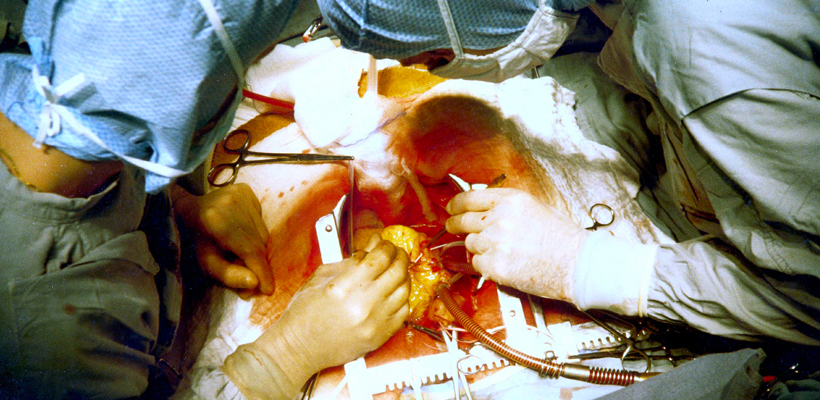
Obese older adults, that have undergone cardiac surgery, are known to have an increased number of post-operative complications. A recent study from the University of Pennsylvania has analysed the impact of these complications on overweight and obese people’s activities of daily living (ADLs) – such as eating, bathing, dressing and using the toilet. In total, data from 1,731 individuals were examined, all of whom had undergone cardiac surgery. It was found that 34 percent of these were obese and 66 percent were not, these participants were then followed over a period of two years.

The researchers found that 22 percent of participants with obesity who had had heart surgery were less able to perform their ADLs within two years, whereas 17 percent of overweight or normal weight individuals had similar problems. Further to this 10.5 percent of participants with obesity had died within 2 years, whereas 13.8 percent of non-obese participants passed away. Using these findings, the researchers concluded that obese adults with a history of heart surgery would live with greater degrees of functional impairment within two years, especially if they are under 80. The relationship between obesity and ADLs was found to be far more complex above the age of 80 and the team are hoping to continue their research into this area.


PREV
NEXT

Related Posts

December 7, 2016
Diet and exercise improves kidney function in fatty liver patients
Read More
January 18, 2017
Teenage gastric bypass surgery and future complications
Read More
October 17, 2017
Black tea promotes weight loss
Read More
Woman doing a fitness dance routine.
January 23, 2024
Losing weight through dance could beat conventional workouts
Read More

Comments (1)

  1. gwyneth
    November 20, 2017

    Obese older adults, who have undergone cardiac surgery…

CCH LINKS

FAQ
HOW TO APPLY
ACADEMIC ADVISORY BOARD
FACULTY AND STAFF
TERMS & CONDITIONS
CCH EDUCATION SERVICES

OUR PARTNERS

NOF
Haringey Obesity Alliance
Skills Active
CPD UK
ASO
REPS
Southwark
DIT
Healthcare Uk
OAC

ABOUT CCH

CONTACT US
[email protected]
+44 (0)20 3773 4895
Technopark, 90 London Road, LONDON, SE1 6LN
 

© The College of Contemporary Health