[email protected]

+44 (0)20 3773 4895

logologologo
  • About Us
    • The College
    • Advisory Board
    • Our Faculty and Team
    • Intelligence Hub
  • Topic Areas
    • Obesity Care
    • Digital Health
    • Behaviour Change
  • Courses
    • CPD Short Courses
    • PGCert in Obesity Care
    • PGCert in Digital Health
  • Apply
    • Postgraduate Qualification in Obesity Care
    • Postgraduate Qualification in Digital Health
    • FAQs
  • Resources
    • News
    • Our Publications
    • Monthly News Bulletins
    • Funding Options
  • Contact Us
    • Contact Us
  • Student Login

No products in the cart.

logologologo
  • About Us
    • The College
    • Advisory Board
    • Our Faculty and Team
    • Intelligence Hub
  • Topic Areas
    • Obesity Care
    • Digital Health
    • Behaviour Change
  • Courses
    • CPD Short Courses
    • PGCert in Obesity Care
    • PGCert in Digital Health
  • Apply
    • Postgraduate Qualification in Obesity Care
    • Postgraduate Qualification in Digital Health
    • FAQs
  • Resources
    • News
    • Our Publications
    • Monthly News Bulletins
    • Funding Options
  • Contact Us
    • Contact Us
  • Student Login

No products in the cart.

  • About Us
    • The College
    • Advisory Board
    • Our Faculty and Team
    • Intelligence Hub
  • Topic Areas
    • Obesity Care
    • Digital Health
    • Behaviour Change
  • Courses
    • CPD Short Courses
    • PGCert in Obesity Care
    • PGCert in Digital Health
  • Apply
    • Postgraduate Qualification in Obesity Care
    • Postgraduate Qualification in Digital Health
    • FAQs
  • Resources
    • News
    • Our Publications
    • Monthly News Bulletins
    • Funding Options
  • Contact Us
    • Contact Us
  • Student Login
November 16, 2017 by Nigel Hinchliffe Obesity Care 0 comments

Obesity increases the incidence, rate, and severity of knee dislocations

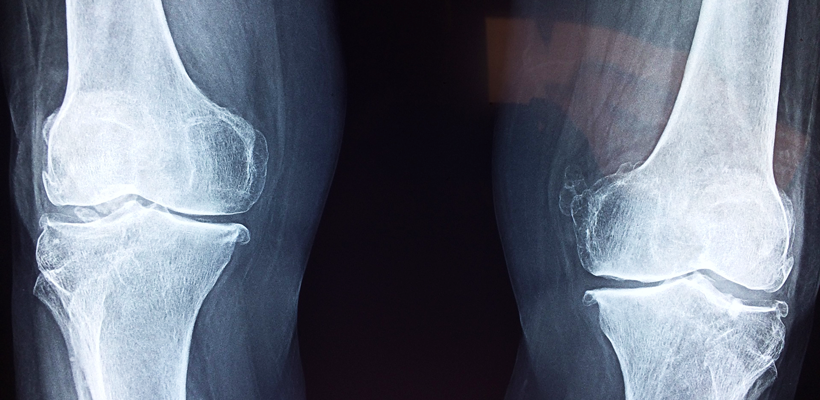
A study of more than 19,000 knee dislocations in the US between 2000 and 2012 has shown the devastating impact that obesity is having on traumatic injuries. The study, from Brown University, was conducted due to the correlation of increasing rates of obesity and rates of knee dislocations. The authors have also noted how low-impact causes, that result in dislocation, are now on the rise. In order to understand what was causing these changes, the researchers used data from a twelve-year period and found that people with obesity made up an increasing portion of knee dislocation patients – rising from 8 percent in 2000 to 19 percent in 2012.

The team also found that vascular injury was more common in patients with obesity; this is particularly worrying as vascular compromise can easily lead to amputation if left untreated or undiscovered. The authors of the study commented that this was also disturbing as many low impact knee dislocations are traditionally thought to not result in vascular compromise, this study highlights the importance of double checking for clinicians who are treating overweight or patients with obesity specifically. Whilst the data itself ends in 2012 the authors are quite sure that the trends have continued and hope that more notice of these injuries and their severity will be taken.


PREV
NEXT

Related Posts

August 2, 2015
Is bariatric surgery justified for the super-obese elderly?
Read More
August 2, 2015
Anxiety about Eating Disorders?
Read More
August 2, 2015
Weight loss – a futile exercise?
Read More
Abstract image of nuerons in the brain.
September 23, 2024
Cellularsludge in hunger-regulating neurons linked to worsening diabetes and obesity
Read More

CCH LINKS

FAQ
HOW TO APPLY
ACADEMIC ADVISORY BOARD
FACULTY AND STAFF
TERMS & CONDITIONS
CCH EDUCATION SERVICES

OUR PARTNERS

NOF
Haringey Obesity Alliance
Skills Active
CPD UK
ASO
REPS
Southwark
DIT
Healthcare Uk
OAC

ABOUT CCH

CONTACT US
[email protected]
+44 (0)20 3773 4895
Technopark, 90 London Road, LONDON, SE1 6LN
 

© The College of Contemporary Health