
[email protected]

+44 (0)20 3773 4895

logologologo
  • About Us
    • The College
    • Advisory Board
    • Our Faculty and Team
    • Intelligence Hub
  • Topic Areas
    • Obesity Care
    • Digital Health
    • Behaviour Change
  • Courses
    • CPD Short Courses
    • PGCert in Obesity Care
    • PGCert in Digital Health
  • Apply
    • Postgraduate Qualification in Obesity Care
    • Postgraduate Qualification in Digital Health
    • FAQs
  • Resources
    • News
    • Our Publications
    • Monthly News Bulletins
    • Funding Options
  • Contact Us
    • Contact Us
  • Student Login

No products in the cart.

logologologo
  • About Us
    • The College
    • Advisory Board
    • Our Faculty and Team
    • Intelligence Hub
  • Topic Areas
    • Obesity Care
    • Digital Health
    • Behaviour Change
  • Courses
    • CPD Short Courses
    • PGCert in Obesity Care
    • PGCert in Digital Health
  • Apply
    • Postgraduate Qualification in Obesity Care
    • Postgraduate Qualification in Digital Health
    • FAQs
  • Resources
    • News
    • Our Publications
    • Monthly News Bulletins
    • Funding Options
  • Contact Us
    • Contact Us
  • Student Login

No products in the cart.

  • About Us
    • The College
    • Advisory Board
    • Our Faculty and Team
    • Intelligence Hub
  • Topic Areas
    • Obesity Care
    • Digital Health
    • Behaviour Change
  • Courses
    • CPD Short Courses
    • PGCert in Obesity Care
    • PGCert in Digital Health
  • Apply
    • Postgraduate Qualification in Obesity Care
    • Postgraduate Qualification in Digital Health
    • FAQs
  • Resources
    • News
    • Our Publications
    • Monthly News Bulletins
    • Funding Options
  • Contact Us
    • Contact Us
  • Student Login
July 5, 2016 by Nigel Hinchliffe Obesity Care 0 comments

Obesity linked to abnormal reward response to sugary food

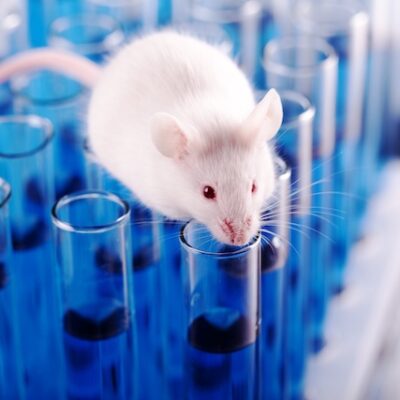
In a study published in Diabetes, it was found that age, obesity and dopamine may influence an individual’s preference for sweet foods. It is believed that the finding may reveal a dysfunction in the brains of individuals with obesity.

The researchers studied 20 subjects with healthy weights and compared them to 24 people classified as obese (therefore with a BMI of 30 or higher). The study participants received drinks containing varying levels of sugar in order to determine their individual preference for degree of sweetness. PET scans were then conducted to identify dopamine receptors linked to rewards in each of the participants’ brains.  The PET scans revealed that although there was a relationship between dopamine receptors and preference for sugary item and age in lean participants, that pattern was not the same in the brains of obese participants.

PREV
NEXT

Related Posts

January 4, 2017
Vitamin D improves gut flora and metabolic syndrome
Read More
Doctor measuring patient with obesity.
September 18, 2024
NHS limiting access to essential obesity services across England, British Medical Journal reveals
Read More
Patient with nurse in a hospital setting.
May 13, 2024
Close to half of all cancer diagnoses linked to obesity, research finds
Read More
Boys on a beach
February 23, 2022
Research finds weight loss in boys with obesity improves testosterone levels
Read More

CCH LINKS

FAQ
HOW TO APPLY
ACADEMIC ADVISORY BOARD
FACULTY AND STAFF
TERMS & CONDITIONS
CCH EDUCATION SERVICES

OUR PARTNERS

NOF
Haringey Obesity Alliance
Skills Active
CPD UK
ASO
REPS
Southwark
DIT
Healthcare Uk
OAC

ABOUT CCH

CONTACT US
[email protected]
+44 (0)20 3773 4895
Technopark, 90 London Road, LONDON, SE1 6LN
 

© The College of Contemporary Health