Obesity linked to impairment of immune cells protecting against psoriasis
Obesity is more than just a condition associated with excess weight; it can also influence the immune system in ways that make the body more susceptible to certain diseases. Recent research has shed light on how obesity may impair immune cells that protect against inflammation associated with psoriasis, a common skin disorder. This newfound understanding could pave the way for new treatments for psoriasis, particularly for those who suffer from obesity.
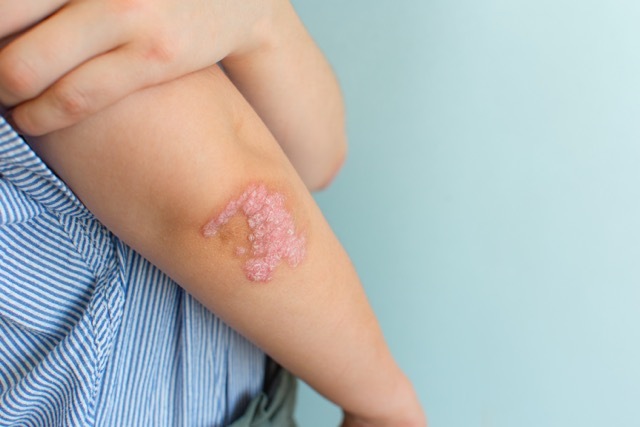
Psoriasis, marked by an accumulation of dry, scaly skin patches, is found to be twice as prevalent in individuals with obesity as compared to those without. This connection between obesity and psoriasis has long been observed, but the underlying mechanisms have remained elusive.
Researchers at Emory University in Atlanta, Georgia, led by Chaoran Li, took up the challenge to explore the intersection between obesity, inflammation, and psoriasis. They specifically investigated regulatory T-cells, which play a crucial role in controlling inflammation. These cells maintain a delicate balance in the skin, offsetting pro-inflammatory immune cells. While obesity is known to increase inflammatory cells, its influence on regulatory T-cells was not well understood.
Li’s team conducted a detailed genetic analysis of regulatory T-cells in various organs of mice, including the skin, spleen, lungs, and lymph nodes. They identified a unique subset of these cells that were prevalent in the skin of the rodents. Interestingly, this group was also found to be abundant in human skin samples.
The research took a significant turn when scientists genetically modified mice to lack these specific cells. When they applied a cream that induces psoriasis-like symptoms, such as skin thickening, the modified mice’s skin became nearly 50% thicker in a week compared to those with the anti-inflammatory cells. This observation strongly suggested that these particular cells have a role in preventing psoriasis symptoms.
To delve into the relationship with obesity, another group of mice were fed a high-fat diet for 16 weeks. The skin of these mice with obesity displayed fewer regulatory T-cells and was more reactive to the psoriasis-inducing cream than the skin samples from mice on regular diets. This correlation between obesity and a decrease in anti-inflammatory immune cells that prevent psoriasis was a pivotal discovery.
These findings not only highlight obesity’s impairment of crucial immune cells but also hint that a high-fat diet may be a key factor in psoriasis and other skin-related inflammations. This insight opens up the possibility that dietary interventions could be a viable treatment option for psoriasis.
Another promising avenue explored by the researchers involved the drug pioglitazone, known to boost the activity of regulatory T-cells. It was found to reduce skin inflammation in mice with obesity. Intriguingly, pioglitazone is also a type 2 diabetes medication. Some studies have indicated that individuals with diabetes on this drug have a lower risk of psoriasis, raising the potential of the medication as a dual-purpose treatment.
However, the applicability of these findings to humans still requires validation. Li’s team plans to examine how this specific subset of cells varies in humans with both psoriasis and obesity compared to those with one or neither condition.
This research represents a significant stride in understanding the intricate relationship between obesity, immune function, and psoriasis. By unearthing the cellular mechanisms behind this connection, it could potentially lead to more targeted and effective treatment options for those struggling with psoriasis, especially in the context of obesity. It also emphasises the importance of a healthy diet and its impact on overall skin health.