[email protected]

+44 (0)20 3773 4895

logologologo
  • About Us
    • The College
    • Advisory Board
    • Our Faculty and Team
    • Intelligence Hub
  • Topic Areas
    • Obesity Care
    • Digital Health
    • Behaviour Change
  • Courses
    • CPD Short Courses
    • PGCert in Obesity Care
    • PGCert in Digital Health
  • Apply
    • Postgraduate Qualification in Obesity Care
    • Postgraduate Qualification in Digital Health
    • FAQs
  • Resources
    • News
    • Our Publications
    • Monthly News Bulletins
    • Funding Options
  • Contact Us
    • Contact Us
  • Student Login

No products in the cart.

logologologo
  • About Us
    • The College
    • Advisory Board
    • Our Faculty and Team
    • Intelligence Hub
  • Topic Areas
    • Obesity Care
    • Digital Health
    • Behaviour Change
  • Courses
    • CPD Short Courses
    • PGCert in Obesity Care
    • PGCert in Digital Health
  • Apply
    • Postgraduate Qualification in Obesity Care
    • Postgraduate Qualification in Digital Health
    • FAQs
  • Resources
    • News
    • Our Publications
    • Monthly News Bulletins
    • Funding Options
  • Contact Us
    • Contact Us
  • Student Login

No products in the cart.

  • About Us
    • The College
    • Advisory Board
    • Our Faculty and Team
    • Intelligence Hub
  • Topic Areas
    • Obesity Care
    • Digital Health
    • Behaviour Change
  • Courses
    • CPD Short Courses
    • PGCert in Obesity Care
    • PGCert in Digital Health
  • Apply
    • Postgraduate Qualification in Obesity Care
    • Postgraduate Qualification in Digital Health
    • FAQs
  • Resources
    • News
    • Our Publications
    • Monthly News Bulletins
    • Funding Options
  • Contact Us
    • Contact Us
  • Student Login
February 23, 2022 by Nicholas Feenie Obesity Care 0 comments

Research finds weight loss in boys with obesity improves testosterone levels

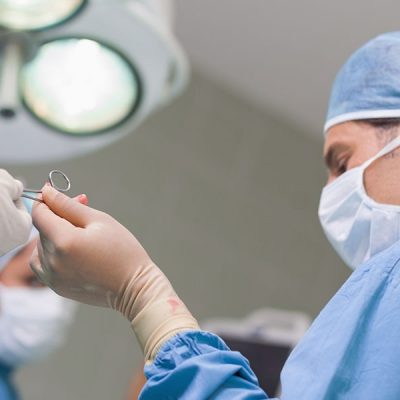
A study, published in the European Journal of Endocrinology, and conducted by researchers at both Saint Louis University School of Medicine and University of Buffalo has found that adolescent boys with obesity who lose weight following bariatric surgery improve their testosterone levels.

Sandeep Dhindsa, M.D., a SLUCare endocrinologist and the director of SLU’s Division of Endocrinology, Diabetes and Metabolism, and first author on the paper stated, “Boys with obesity do not achieve sufficient testosterone levels at puberty and weight loss can theoretically improve testosterone. We checked the testosterone levels in boys with obesity who underwent bariatric surgery. Those who lost weight had increased testosterone levels. Those who regained weight had a lowering of testosterone again.”

In the study, researchers evaluated the changes in sex hormones following bariatric surgery in 34 male patients between the ages of 14 to 19. These participants were part of a long-term multi-centre study, the Teen-Longitudinal Assessment of Bariatric Surgery (Teen-LABS). Teen-LABS is the first large study to systematically document the outcome of metabolic bariatric surgery for treatment of adolescents with severe obesity in the United States.

Following surgery the participants were followed for five years. Total testosterone, estradiol, luteinizing hormone, follicle stimulating hormone, sex hormone binding globulin, insulin and glucose were all measured before surgery, six months’ post-operative and annually thereafter. 

The study showed that bariatric surgery, in addition to treating obesity and reversing Type 2 diabetes, reversed low testosterone levels.

“Males usually achieve their peak testosterone concentrations at puberty, followed by a gradual decline for the rest of their life. Adolescent males with obesity start off with a lower testosterone. We do not know the long-term effects on fertility and sexual function. Testosterone is also important for muscle and bone growth. Our study provides strong evidence that weight loss can restore normal testosterone concentrations in these boys,” Dhindsa said.

73% of participants had subnormal free testosterone levels prior to surgery. Only 20% had subnormal free testosterone concentrations two years later. That percentage rose to 33% due to regained weight among some participants five years later.

Common causes of low testosterone in adults are ageing, obesity and diabetes. Male adults with obesity have lower testosterone levels than adults who are of a lean weight.


PREV
NEXT

Related Posts

April 26, 2017
Metabolic syndrome branded the new ‘silent killer’
Read More
December 9, 2015
High-fat diet can result in cognitive decline
Read More
Prohibited sign over an image of typical fast food.
August 24, 2023
Luton Council takes action against childhood obesity by banning unhealthy food ads on municipal property
Read More
Abstract photo of protein under a microscope.
November 11, 2025
Scientists Discover Key Protein Triggering Inflammation Linked to Obesity and Type 2 Diabetes
Read More

CCH LINKS

FAQ
HOW TO APPLY
ACADEMIC ADVISORY BOARD
FACULTY AND STAFF
TERMS & CONDITIONS
CCH EDUCATION SERVICES

OUR PARTNERS

NOF
Haringey Obesity Alliance
Skills Active
CPD UK
ASO
REPS
Southwark
DIT
Healthcare Uk
OAC

ABOUT CCH

CONTACT US
[email protected]
+44 (0)20 3773 4895
Technopark, 90 London Road, LONDON, SE1 6LN
 

© The College of Contemporary Health