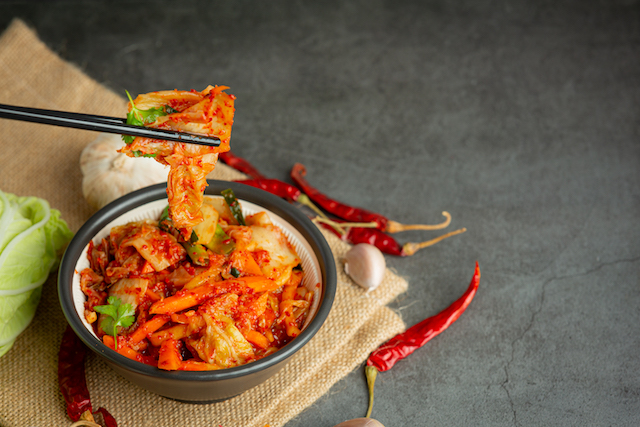
Study reveals kimchi’s role in combating obesity among South Koreans
In an insightful study featured in BMJ Open, the intricate link between the consumption of kimchi and obesity levels within the South Korean populace has been meticulously analysed. This research delves into the multifaceted relationship between diet and obesity, spotlighting the traditional Korean delicacy, kimchi, known for its low-calorie content yet high nutritional value, including an abundance of vitamins, dietary fibre, polyphenols, and probiotics.
Obesity, a burgeoning health crisis linked to a plethora of adverse health conditions such as diabetes, chronic kidney disease, cardiovascular diseases, and hyperlipidemia, has seen a steady rise in prevalence across South Korea. This trend accompanies a growing concern over abdominal obesity, further underscoring the urgency for effective public health strategies aimed at curtailing this epidemic. The escalating obesity rates have inevitably led to increased healthcare costs, highlighting the critical need for preventive measures.
Amidst growing concerns over kimchi’s contribution to dietary sodium intake, which a 2019-2020 survey pegged at 500 mg daily (accounting for 15% of total sodium consumption), the study embarked on exploring kimchi’s potential benefits. Despite the known risks associated with high sodium intake, including hypertension and obesity, previous investigations have suggested a positive correlation between fermented vegetables, such as kimchi, and reduced body weight, alongside improvements in cholesterol and blood glucose levels.
The current study leverages data from the expansive Health Examinees (HEXA) study, a part of a larger genetic and epidemiological research initiative aimed at uncovering the genetic and environmental determinants of chronic diseases in adults over 40. Initial assessments for HEXA were conducted between 2004 and 2013, with exclusions applied to individuals with a history of significant illnesses or lacking in reliable dietary or anthropometric data.
Utilising a semi-quantitative food frequency questionnaire, the researchers assessed participants’ dietary intakes over the past year, focusing on various types of kimchi, including kkakdugi, dongchimi, baechu kimchi, and others. The study defined obesity based on a body mass index (BMI) ≥ 25 kg/m^2 and abdominal obesity as a waist circumference (WC) ≥ 90 cm for men and ≥ 85 cm for women, incorporating a comprehensive questionnaire to gather additional demographic and lifestyle information.
The analysis involved categorising participants according to their kimchi intake levels and employing multivariable logistic regression to estimate the associations between kimchi consumption and obesity.
Involving 115,726 individuals, with an average age of 51.8 years and a majority being female, the study found an obesity prevalence of 28.2% overall. Notably, individuals indulging in five or more servings of kimchi daily exhibited higher weights and waist circumferences, alongside an increased likelihood of obesity and alcohol consumption.
Distinct patterns emerged between genders; men consuming significant amounts of kimchi tended to be younger, smokers, taller, and more physically active, while women with high kimchi intake were generally older, non-smokers, less active, post-menopausal, shorter, and married.
The study highlighted a nuanced relationship between kimchi consumption and obesity, indicating that moderate intake (one to three servings daily) was inversely associated with obesity risk in men. Specifically, a high intake of baechu kimchi significantly reduced the prevalence of both obesity and abdominal obesity among men, while women benefited from a moderate consumption level.
Furthermore, participants who consumed kkakdugi above the median quantity experienced lower rates of abdominal obesity, showcasing the differential impacts of various kimchi types on obesity metrics.
Despite some associations indicating higher obesity rates among those with excessive kimchi consumption, these findings were not statistically significant. The study also noted that higher kimchi intake correlated with increased consumption of proteins, carbohydrates, fats, sodium, cooked rice, and overall energy.
However, the study’s cross-sectional nature and its focus on a specific population limit the ability to draw causal connections and its applicability to broader demographics, respectively.
While this study doesn’t establish causation, it adds to the body of research supporting the inclusion of probiotic foods in the diet to promote gut microbiome diversity and subsequent weight management outcomes.