[email protected]

+44 (0)20 3773 4895

logologologo
  • About Us
    • The College
    • Advisory Board
    • Our Faculty and Team
    • Intelligence Hub
  • Topic Areas
    • Obesity Care
    • Digital Health
    • Behaviour Change
  • Courses
    • CPD Short Courses
    • PGCert in Obesity Care
    • PGCert in Digital Health
  • Apply
    • Postgraduate Qualification in Obesity Care
    • Postgraduate Qualification in Digital Health
    • FAQs
  • Resources
    • News
    • Our Publications
    • Monthly News Bulletins
    • Funding Options
  • Contact Us
    • Contact Us
  • Student Login

No products in the cart.

logologologo
  • About Us
    • The College
    • Advisory Board
    • Our Faculty and Team
    • Intelligence Hub
  • Topic Areas
    • Obesity Care
    • Digital Health
    • Behaviour Change
  • Courses
    • CPD Short Courses
    • PGCert in Obesity Care
    • PGCert in Digital Health
  • Apply
    • Postgraduate Qualification in Obesity Care
    • Postgraduate Qualification in Digital Health
    • FAQs
  • Resources
    • News
    • Our Publications
    • Monthly News Bulletins
    • Funding Options
  • Contact Us
    • Contact Us
  • Student Login

No products in the cart.

  • About Us
    • The College
    • Advisory Board
    • Our Faculty and Team
    • Intelligence Hub
  • Topic Areas
    • Obesity Care
    • Digital Health
    • Behaviour Change
  • Courses
    • CPD Short Courses
    • PGCert in Obesity Care
    • PGCert in Digital Health
  • Apply
    • Postgraduate Qualification in Obesity Care
    • Postgraduate Qualification in Digital Health
    • FAQs
  • Resources
    • News
    • Our Publications
    • Monthly News Bulletins
    • Funding Options
  • Contact Us
    • Contact Us
  • Student Login
December 7, 2016 by Nigel Hinchliffe Obesity Care 2 comments

Sugar substitute may not promote weight loss

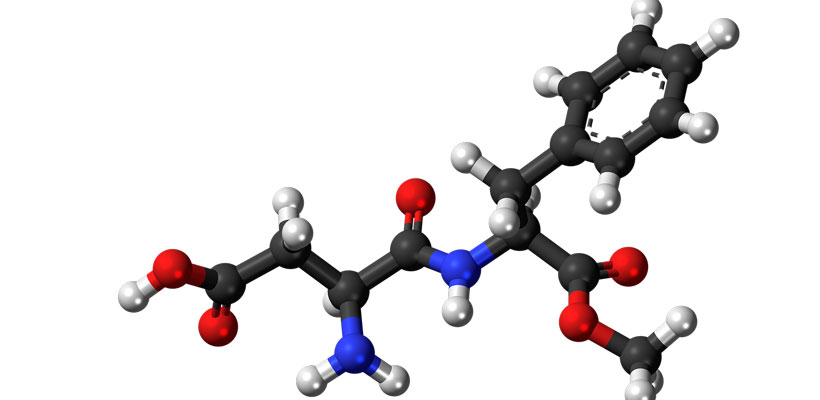
A team of researchers from Massachusetts General Hospital have found a possible mechanism that may help explain why aspartame, a sugar substitute, does not help promote weight loss. Their report was published in Applied Physiology, Nutrition and Metabolism, and it explains that phenylalanine, a breakdown product of aspartame may interfere with the actions of an enzyme which prevents metabolic syndrome. Using mouse models, the researchers found that a diet with aspartame actually increases weight, whilst a non-aspartame diet does not.

During this study, a series of experiments was carried out, with one showing that the activity of an enzyme, known as IAP, was greatly reduced when added to a solution containing an aspartame sweetened drink, this was not the case in the sugar sweetened drink. This is particularly worrying as sugar substitutes are often used to promote weight loss by limiting the consumption of sugar. Now a number of epidemiological studies are looking into whether these substitutes are genuinely effective. The researchers want to highlight that other mechanisms may be involved, and this is only one such mechanism that may point to the use of artificial sweeteners being counter-productive.


PREV
NEXT

Related Posts

Bowl of soybeans and a bottle of soybean oil.
December 4, 2025
Mice Study Connects Soybean Oil Intake to Liver Changes and Obesity
Read More
Woman exercising in the early evening.
June 17, 2024
Evening workouts best for lowering blood sugar in adults with overweight and obesity
Read More
Mother and baby eating together.
December 15, 2025
Maternal Obesity Linked to Early Changes in Infant Gut Microbiome, Study Suggests
Read More
Man using diabetes pen.
November 13, 2024
Stress hormones may be the key to understanding how obesity causes diabetes, researchers reveal
Read More

Comments (2)

  1. Linda
    December 12, 2016

    What about Stevia?

  2. Stefan Davis
    December 8, 2016

    This is extremely interesting! I was always very curious, and a bit skeptical, of the effects of sugar substitutes, particularly aspartame. I know there needs to be more research conducted to find something more conclusive, but ultimately I think if you want a sweet drink you should have one with real sugar for now, as the effects of sugar are clearly documented and well known, but you should just limit your consumption. I’m looking forward to the publication of the newer studies.

CCH LINKS

FAQ
HOW TO APPLY
ACADEMIC ADVISORY BOARD
FACULTY AND STAFF
TERMS & CONDITIONS
CCH EDUCATION SERVICES

OUR PARTNERS

NOF
Haringey Obesity Alliance
Skills Active
CPD UK
ASO
REPS
Southwark
DIT
Healthcare Uk
OAC

ABOUT CCH

CONTACT US
[email protected]
+44 (0)20 3773 4895
Technopark, 90 London Road, LONDON, SE1 6LN
 

© The College of Contemporary Health