

AI-Enabled Digital Stethoscope Doubles Detection of Serious Valve Disease in Primary Care Study
Key Takeaways:
- An AI-enabled digital stethoscope more than doubled the sensitivity of detecting audible valvular heart disease compared with standard auscultation in primary care.
- The technology identified twice as many previously undiagnosed cases of moderate-to-severe disease, supporting its potential role as a screening adjunct.
- Higher sensitivity came with lower specificity, raising important considerations around false positives, referral rates, and cost-effectiveness.
Overview of the study
In a recent prospective study published in the European Heart Journal Digital Health, researchers compared the diagnostic accuracy of primary care providers using conventional stethoscopes with that of a relatively novel artificial intelligence-enabled digital stethoscope. The aim was to determine whether AI-supported auscultation could improve current approaches to identifying valvular heart disease in primary care settings.
The findings showed a marked improvement in sensitivity when AI support was used. The AI system demonstrated a sensitivity of 92.3 percent for detecting audible valvular heart disease, compared with 46.2 percent for standard care (P = 0.01). Although the AI tool showed slightly lower specificity, it identified twice as many cases of previously undiagnosed moderate-to-severe disease. This pattern suggests a potential role for AI-enabled auscultation as a screening adjunct rather than a replacement for clinical judgement and assessment.
Background
Valvular heart disease is a serious cardiac condition in which one or more of the heart valves, including the aortic, mitral, tricuspid, or pulmonary valves, fail to open or close properly, disrupting normal blood flow through the heart.
People living with valvular heart disease may experience symptoms such as shortness of breath, fatigue, chest pain, and palpitations. Prevalence increases with age and is estimated to affect more than half of adults aged over 65 to some degree, although moderate-to-severe disease is considerably less common.
Diagnosis remains challenging, in part because more than half of people with clinically significant disease are asymptomatic. Traditionally, detection relies on clinician-performed cardiac auscultation. However, previous research indicates that even experienced general practitioners may have limited sensitivity when screening asymptomatic individuals, contributing to delayed diagnosis and disease progression.
Study design and methods
The study investigated whether deep learning algorithms, combined with digital acoustic recordings, could improve the detection of cardiac abnormalities that may be missed during routine examinations.
This was a prospective, single-arm diagnostic accuracy study conducted across three primary care clinics between June 2021 and May 2023. The study included 357 participants aged 50 years and older who were considered at elevated cardiovascular risk but had no prior diagnosis of valvular heart disease or a known cardiac murmur.
Risk factors included hypertension, a body mass index of 30 or higher, diabetes, hyperlipidaemia, atrial fibrillation, previous myocardial infarction, stroke or transient ischaemic attack, coronary revascularisation, or other established cardiovascular disease.
Each participant underwent two independent screening protocols:
- Standard-of-care screening: Primary care providers performed four-point cardiac auscultation using conventional stethoscopes.
- AI-augmented screening: Study coordinators recorded phonocardiogram data using a digital stethoscope. These recordings were analysed by an AI algorithm that has received clearance from the US Food and Drug Administration to detect heart murmurs.
All participants subsequently underwent echocardiography to confirm the presence or absence of structural heart disease. An independent expert panel reviewed the digital audio recordings to verify whether an audible murmur was present. This panel was blinded to the AI results.
For the purposes of the study, audible valvular heart disease was defined as moderate-to-severe disease confirmed on echocardiography together with an expert-confirmed audible murmur. This definition acknowledged that some people with structurally significant disease may not produce a clearly audible murmur.
Study findings
The AI-augmented system substantially outperformed standard auscultation in detecting audible valvular heart disease. Sensitivity was 92.3 percent with AI support compared with 46.2 percent using standard-of-care screening (P = 0.01).
Among people with confirmed disease, standard examination missed seven of thirteen cases, whereas the AI system missed only one. In terms of previously undiagnosed moderate-to-severe valvular heart disease, the AI tool identified 12 cases, compared with 6 detected by primary care providers.
This improvement in sensitivity was accompanied by reduced specificity. The AI system demonstrated a specificity of 86.9 percent, compared with 95.6 percent for clinicians using conventional auscultation (P < 0.001), resulting in a higher number of false-positive findings.
When echocardiography alone was used as the reference standard for moderate-to-severe disease, regardless of whether a murmur was audible, the AI system continued to outperform standard care. Sensitivity in this analysis was 39.7 percent for the AI system versus 13.8 percent for clinicians (P = 0.01).
Interpretation and conclusions
The findings suggest that integrating AI-enabled digital stethoscopes into primary care could substantially improve the detection of valvular heart disease compared with traditional auscultation alone. Rather than replacing clinical assessment, these tools may provide an additional layer of screening support, helping clinicians identify people who may benefit from earlier referral and further investigation.
However, improved detection does not automatically translate into better clinical outcomes. The study assessed diagnostic accuracy but did not evaluate downstream management, patient experience, or long-term prognosis.
Several authors reported affiliations with the device manufacturer, a factor that should be considered when interpreting the results, despite transparent disclosure of conflicts of interest.
The lower specificity observed with AI-augmented screening may lead to increased referrals for echocardiography and higher healthcare utilisation. This highlights the importance of future research examining cost-effectiveness, workflow impact, and optimal integration into primary care pathways.
Study limitations included a modest sample size, a limited geographic scope, incomplete demographic detail, and the absence of systematic symptom assessment. Despite these constraints, the results indicate that AI-supported auscultation may represent a meaningful advance in point-of-care cardiac screening for people at increased cardiovascular risk.
Read More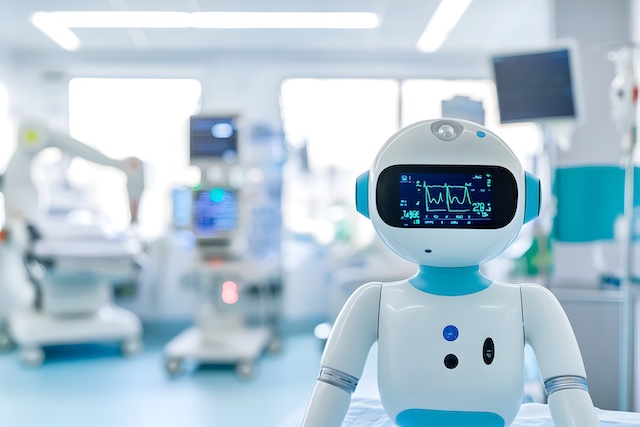
AI-Enabled Social Robots Show Early Promise for Patient and Clinician Acceptance
Key Takeaways:
- A pilot study suggests that a GPT-controlled social robot is acceptable to both patients and healthcare professionals in a hospital setting.
- The research focused on technical, organisational and ethical feasibility, rather than on demonstrating improvements in care quality.
- Careful system design, including restricting information sources to clinician-validated content, was central to building trust and reducing risk.
Early insights into acceptance and feasibility
Researchers from University of Twente, Medisch Spectrum Twente and Politecnico di Milano have conducted a pilot study examining whether a GPT-controlled social robot could support people receiving care with medical information in a hospital environment. The initial findings suggest cautious optimism. Both patients and caregivers found the technology acceptable in practice.
The study examined not whether such a system improves clinical outcomes, but whether it can function safely and appropriately within real healthcare settings. Technical robustness, organisational fit and ethical considerations were all central to the research design.
Healthcare systems are facing sustained pressure from workforce shortages and rising demand. At the same time, clear, accessible communication remains essential, particularly for people living with chronic conditions. Digital tools may help address these challenges, but they also raise important questions around reliability, trust and governance.
The findings have been published in the journal Frontiers in Digital Health.
Exploring artificial intelligence with a physical presence
Within this context, the research team investigated whether a social robot, powered by GPT technology, could provide people receiving care with information about their condition and treatment. The system combined a physical robot with a human-like face, facial expressions and speech capabilities, enabling natural spoken interaction.
According to the study, this physical presence was well received by both patients and healthcare professionals. People described the conversations as accessible and pleasant. However, the researchers were careful to frame these findings appropriately.
“This should not be interpreted as evidence that care quality improves,” emphasised lead researcher Jan-Willem van ‘t Klooster. “We investigated whether such a system can function in practice, not whether it already improves care.”
Tested in real clinical settings
The research began with a controlled laboratory study before moving into everyday clinical practice. In total, 21 people with osteoarthritis and seven healthcare professionals interacted with the robot in the hospital setting. Both groups rated the system positively in terms of usability and overall acceptance.
Van ’t Klooster highlighted the importance of this early step. “Acceptance is a first step. Then you can investigate whether such a technology really contributes to better information provision, therapy adherence or time savings for health care providers.”
Managing risk through controlled use of AI
A key aspect of the project was how artificial intelligence was implemented. The GPT system did not have unrestricted access to the internet. Instead, it was limited to information drawn from pre-approved, clinician-validated medical websites. This approach was designed to reduce the risk of incorrect or fabricated responses, often referred to as hallucinations.
“The debate is often about whether you should use AI in health care,” said Van ’t Klooster. “We show that it is mainly about how you set it up. By setting clear boundaries, control remains in the hands of health care professionals.”
Collaboration across disciplines
The project brought together expertise from behavioural science, clinical practice, design and technology. Alongside researchers from the University of Twente, healthcare professionals, designers and international partners contributed to the study.
“It is precisely this collaboration that makes this kind of research possible,” Van ’t Klooster noted.
The authors stress that further work is needed before such systems could be considered for broader implementation. Planned follow-up research includes examining long-term use, knowledge transfer and the appropriate language level for patient communication, ensuring that future applications remain accessible, safe and trustworthy for people receiving care.
Read More
AI Tools Show Promise for Improving Diagnostics and Outcome Prediction in Resource-Limited Health Care Settings
Key Takeaways:
- Transfer learning enables AI models trained in data-rich settings to be safely adapted for use in health care systems with limited local data, improving predictive performance without rebuilding models from scratch.
- In a Vietnam case study, an adapted AI model substantially improved prediction of neurological recovery after cardiac arrest compared with the unadapted model.
- Wider adoption of AI in low- and middle-income countries will require targeted skills development, infrastructure support and robust global governance frameworks.
Reducing uncertainty after cardiac arrest in constrained settings
After a cardiac arrest, families and clinicians are often confronted with profound uncertainty about a person’s chances of neurological recovery. This uncertainty is particularly acute in hospitals with limited resources, where access to advanced diagnostics and large datasets is constrained.
Researchers from Duke-NUS Medical School and collaborators have demonstrated how artificial intelligence can help address this challenge. By adapting an advanced AI model, the team improved the accuracy of neurological outcome prediction following cardiac arrest in a resource-limited setting.
Published in npj Digital Medicine, the study focused on the use of transfer learning, an AI technique that adapts models pre-trained on large datasets to new environments with limited local data. This approach can enhance performance in new contexts without requiring extensive and costly data collection, making it particularly relevant for low- and middle-income countries.
Adapting a high-income model for local use
The researchers began with a brain-recovery prediction model developed in Japan using data from 46,918 people who experienced out-of-hospital cardiac arrest. They then adapted this model for use in Vietnam, where it was tested on a smaller cohort of 243 patients.
The adapted model performed markedly better than the original model when applied directly to the Vietnamese data. It correctly distinguished between people at higher and lower risk of poor neurological outcomes approximately 80 percent of the time, compared with around 46 percent accuracy when the original, unadapted model was used.
Senior author Associate Professor Liu Nan, from Duke-NUS’ Center for Biomedical Data Science and Director of the Duke-NUS AI + Medical Sciences Initiative, said,
“The study shows AI models do not need to be rebuilt from scratch for every new setting. By adapting existing tools safely and effectively, transfer learning can lower costs, reduce development time and help extend the benefits of AI to health care systems with fewer resources.”
Expanding AI’s role beyond outcome prediction
Beyond predicting outcomes after cardiac arrest, AI has potential applications across a broad range of health care needs in low- and middle-income countries. In a separate study published in Nature Health, Duke-NUS researchers and collaborators, including colleagues from University College London, explored how large language models, trained on extensive text data to understand and generate human language, could support global health.
In resource-constrained environments, such tools may improve access to care, diagnostics and clinical decision-making. Examples highlighted by the researchers included a chatbot providing pregnancy-related information to expectant mothers in South Africa and smartphone-based applications used by community health workers in Sierra Leone to detect malaria infections from blood smear samples. These approaches offer more cost-efficient alternatives to conventional microscope-based systems.
Despite these advances, the researchers noted that AI development and deployment remain concentrated in high-income and upper-middle-income settings. While 63 percent of surveyed researchers, clinicians and service providers reported actively using AI tools, many low- and middle-income countries continue to face significant barriers, including limited infrastructure, insufficient technical expertise and a lack of locally generated evidence on how best to address these gaps.
Co-author Siegfried Wagner, from UCL Institute of Ophthalmology and Moorfields Eye Hospital NHS Foundation Trust, said,
“LLMs have the greatest opportunity to transform health care in settings where specialist physicians are scarcest, but the global health community needs to work together with some urgency to ensure the implementation of LLMs is supported in regions where adoption is most challenging.”
Dr Ning Yilin, Senior Research Fellow at Duke-NUS’ Center for Biomedical Data Science and a co-first author of the study, emphasised the importance of prioritising people when integrating AI into health care:
“Strengthening digital literacy and building confidence in using these tools will ensure AI supports, rather than disrupts, the workforce. Tailored skills-development pathways can help under-resourced workers adapt and thrive, allowing AI to uplift and add value to clinical and administrative roles.”
Charting the path forward: Governance and guardrails
While AI tools have clear potential to improve health care delivery, the researchers stressed that appropriate governance frameworks are essential to ensure safe and ethical implementation. Existing regulations for medical technologies often do not adequately address AI-specific risks, such as data privacy concerns, model hallucinations or unclear accountability for deployment and oversight.
To help close these gaps, researchers led by Duke-NUS have proposed the creation of an international consortium known as the Partnership for Oversight, Leadership, and Accountability in Regulating Intelligent Systems-Generative Models in Medicine, or POLARIS-GM.
The consortium aims to develop actionable best-practice guidance for regulating emerging AI tools, monitoring their impact, establishing safety guardrails and adapting them for use in resource-limited settings. By bringing together health care leaders, regulators, ethicists and patient groups from around the world, POLARIS-GM plans to adopt a phased approach, beginning with a review of existing research before working towards global consensus on AI governance in health care.
Dr Jasmine Ong, from the Duke-NUS AI + Medical Sciences Initiative and a Principal Clinical Pharmacist at Singapore General Hospital, and first author of the correspondence published in Nature Medicine, said,
“With clear oversight and clearly defined guidelines, health care systems can confidently leverage AI’s many strengths to improve health outcomes while steering clear of potential pitfalls.
From policymakers to patient groups, all stakeholders have a crucial role to play in making this goal a reality.”
Read More
Walmart Unveils ‘Better Care Services’ Digital Health Platform to Expand Access to Affordable Care
Key Takeaways:
- Walmart has launched Better Care Services, a new digital health platform designed as a single access point for healthcare services, wellness tools and products.
- The platform connects customers to third-party providers, including urgent care, behavioural health services and Eli Lilly’s LillyDirect telehealth platform.
- The launch is accompanied by price reductions on wellness products, a limited-time telehealth discount and a nationwide in-pharmacy Wellness Event.
A new one-stop digital health destination
Walmart has launched a new digital healthcare platform, Better Care Services, positioning it as a streamlined, one-stop destination intended to help people navigate healthcare and wellness more easily.
In announcing the launch, the company said the platform is “designed to help empower millions of customers to take control of their health journeys with ease, transparency and confidence.” The initiative reflects Walmart’s broader strategy to integrate digital health services with its existing retail, pharmacy and wellness offerings.
Access to third-party care and telehealth services
Better Care Services provides customers with access to a curated network of third-party healthcare providers, with an initial focus on urgent care and behavioural health services. Through the platform, people can connect to providers offering virtual care options aimed at addressing both immediate and ongoing health needs.
The platform also integrates LillyDirect, the direct-to-consumer telehealth platform developed by Eli Lilly. This allows customers to access telehealth services linked to Lilly’s digital health ecosystem through the Walmart interface.
According to a Walmart news release dated 8 January, the company is also introducing a limited-time USD 15 discount on select telehealth services with participating providers. This offer is set to begin on 15 January, reinforcing the company’s emphasis on affordability and access.
AI-powered nutrition and personalised recommendations
Beyond clinical services, Better Care Services includes a nutrition hub that uses artificial intelligence to support people in making food choices aligned with their health goals. The tool provides personalised food and recipe recommendations, drawing on Walmart’s extensive grocery range and existing digital infrastructure.
The inclusion of AI-enabled nutrition support reflects growing interest in digital tools that link dietary guidance with everyday purchasing decisions, particularly within large retail and pharmacy ecosystems.
Removing barriers to care
Kevin Host, Senior Vice President of Health and Wellness and Pharmacy at Walmart, framed the platform as a response to persistent challenges in accessing care.
“We know that when health care feels hard, many people do not get the care they need. We can fix that,” Host said.
“Better Care Services is about making wellness simple and affordable to fit into your life; we are removing barriers so more people can get the care they deserve, right when they need it.”
These comments underline Walmart’s stated aim to reduce complexity, cost and friction within healthcare journeys, particularly for people who may delay or avoid care when systems feel difficult to navigate.
Price reductions and nationwide wellness initiatives
Alongside the digital platform launch, Walmart announced plans to reduce prices on more than 1,000 wellness-focused items, spanning food, supplements and fitness products. The move is intended to complement the digital offering by addressing affordability across both services and everyday health-related purchases.
The company will also host its annual Wellness Event on 24 January at nearly 4,600 Walmart pharmacies nationwide. The in-store event is set to include free health screenings, low-cost immunisations and wellness consultations, further linking digital access with physical pharmacy-based care.
Positioning digital health within retail healthcare
Taken together, Better Care Services, price reductions and in-pharmacy events highlight Walmart’s continued efforts to position itself as a central player in retail-based healthcare. By combining telehealth access, AI-driven nutrition tools, pharmacy services and discounted wellness products, the company is seeking to create a more integrated and accessible healthcare experience for people across the United States.
Read More
AI Giants Expand Healthcare Offerings as Anthropic and Google Unveil New Medical Tools
Key Takeaways:
- Anthropic and Google have launched new healthcare-focused AI tools, following OpenAI’s recent release of ChatGPT Health in the United States.
- The tools are designed to support people and healthcare professionals in understanding medical information, not to replace clinical decision making.
- Regulatory scrutiny remains high, particularly in the UK, amid concerns about safety, accuracy, and governance.
Growing momentum in healthcare AI
Major artificial intelligence developers are accelerating their push into healthcare, with Anthropic and Google announcing new medical AI tools shortly after OpenAI launched ChatGPT Health in the United States.
The announcements signal increasing interest from large technology companies in applying generative and multimodal AI to health data, patient engagement, and clinical workflows, while also highlighting ongoing debates around regulation, safety, and the appropriate role of AI in care delivery.
Anthropic introduces Claude for Healthcare
Anthropic has launched Claude for Healthcare, a suite of tools and resources aimed at healthcare providers, payers, and members of the public. The offering enables the use of Anthropic’s Claude AI for medical-related purposes.
In a blog post published on 11 January, Anthropic said the new integrations are “designed to make it easier for individuals to understand their health information and prepare for important medical conversations with clinicians”.
When connected to a person’s laboratory results and health records, Claude can summarise medical history, explain test results in plain language, identify patterns across fitness and health metrics, and help people prepare questions ahead of clinical appointments. The focus, according to Anthropic, is on improving understanding and readiness rather than delivering diagnoses.
Google expands medical imaging capabilities
Google has also announced the release of MedGemma 1.5, an expanded version of its open medical AI model. The updated system is capable of interpreting three-dimensional CT and MRI scans, alongside whole-slide histopathology images.
The move reflects Google’s growing emphasis on multimodal medical AI, particularly in imaging-heavy specialties, where pattern recognition and visual analysis are central to clinical decision making.
OpenAI’s ChatGPT Health and regulatory considerations
Both announcements follow the recent launch of ChatGPT Health by OpenAI earlier this month. The product can analyse people’s medical records and data from health apps to provide personalised health-related insights.
OpenAI has emphasised that the tool is not intended to replace clinical care. On its website, the company states:
“Health is designed to support, not replace, medical care. It is not intended for diagnosis or treatment.
Instead, it helps you navigate everyday questions and understand patterns over time – not just moments of illness – so you can feel more informed and prepared for important medical conversations.”
ChatGPT Health is currently only available in the United States. A spokesperson for OpenAI told Digital Health News that the company is working through local regulatory requirements that require additional compliance measures before a UK launch. They added that OpenAI often engages in advance consultations with regulators in the UK and the EU prior to introducing new products or services in those regions.
Acquisitions and safety concerns
Further underscoring OpenAI’s healthcare ambitions, the co-founder of health data startup Torch announced last week that the company had been acquired by OpenAI for more than $100 million (£75m). Torch focuses on connecting health data from a wide range of sources to provide answers to common health-related questions.
At the same time, concerns about the risks of AI-generated health information remain prominent. Google recently removed some of its AI health summaries after an investigation by The Guardian found that people were being put at risk of harm due to misleading information. In some cases, summaries reportedly omitted critical safety details, including side effects and allergy warnings.
Calls for regulation and human-led care
Commenting on the rapid expansion of generative AI in healthcare, Euan McComiskie, health informatics lead at the Chartered Society of Physiotherapists, warned that governance frameworks have yet to catch up with technological development.
“These platforms are also not yet governed by any regulatory, strategic nor policy authority as is the case with our existing healthcare provider organisations,” he said.
“Until those issues are resolved, it is unlikely that generative AI platforms will entirely replace the human-led healthcare interactions.
“An AI-supported, human-led healthcare organisation can use multiple tools and platforms to operate efficiently, deliver high-quality healthcare whilst also enhancing the trusting and caring relationships that registered healthcare professionals have with the people we work with.”
UK regulator urges caution
Regulatory bodies in the UK have also urged caution. In November, the Medicines and Healthcare products Regulatory Agency advised that AI chatbots should not replace advice from healthcare professionals. The guidance followed research indicating that one in four people in the UK are turning to AI tools and social media for health guidance.
As major technology companies continue to invest in healthcare AI, the balance between innovation, safety, and regulation is likely to remain a central issue for policymakers, clinicians, and the people these technologies aim to support.
CCH insight
The arrival of consumer- and clinician-facing health AI from the largest technology companies makes one thing clear: AI is entering healthcare rapidly, and the questions of safety, accuracy and governance it raises are now unavoidable for practitioners. As patients increasingly bring AI-generated health information into the consultation, being equipped to understand these tools, their limits and their risks is increasingly imperative for healthcare professionals. CCH’s CPD-accredited digital health short courses – including practical, NHS-aligned training on using AI safely and responsibly in clinical practice – are designed to help practitioners build exactly that judgement, quickly and flexibly around a clinical schedule.
Explore CCH’s Digital Health courses →
Read More
Mayo Clinic Study Uses AI and CT Imaging to Identify Midlife Risk of Falls
Key Takeaways:
- Artificial intelligence applied to routine abdominal CT imaging can identify adults at increased risk of falls as early as midlife.
- Muscle density, a marker of muscle quality, is a far stronger predictor of fall risk than muscle size.
- Abdominal muscle health and core strength appear to play an important role in physical function and fall prevention across adulthood.
AI reveals early markers of fall risk
Researchers at Mayo Clinic have demonstrated that artificial intelligence applied to abdominal imaging can help predict which adults are at higher risk of falling, even from middle age onwards. The study, published in Mayo Clinic Proceedings: Digital Health, highlights abdominal muscle quality as a key predictor of future falls among adults aged 45 years and older.
Falls remain a leading cause of injury, particularly in older populations. However, the research team found that early indicators of fall risk may already be visible in CT scans that many people undergo for unrelated clinical reasons. This raises the possibility of identifying and addressing fall risk much earlier in the life course.
Using CT imaging beyond its original purpose
Working alongside radiology bioinformatics specialists, the researchers examined whether AI-derived measurements from abdominal CT scans could uncover subtle physical changes associated with falls. These measurements included fat distribution, muscle size, muscle density and indicators of bone quality.
Their analysis showed that muscle density, rather than muscle size, was most strongly associated with fall risk. Muscle density reflects muscle quality and the degree of fat infiltration within muscle tissue, whereas muscle size simply measures overall volume.
Muscle density matters more than muscle size
“Muscle size is just a measure of how big your muscles are,” says lead author Jennifer St. Sauver, an epidemiologist at Mayo Clinic in Rochester. “Muscle density is different; on a CT scan, it’s a measure of how ‘dark’ and homogenous the muscles are.”
Dr. St. Sauver explains that more homogenous muscles tend to be denser and contain less fat. This distinction is clinically meaningful, as muscle quality is more closely linked to physical strength and function than size alone.
“Previous studies have suggested that muscle density, not size, is more strongly associated with physical strength and function,” she says. “Our results support the idea that we should be focusing on muscle density, not muscle size, when we try to understand physical function.”
Strong associations seen even in midlife
While the research team anticipated finding associations between poorer abdominal muscle measures and falls among older adults, they were surprised by how pronounced these relationships were in middle-aged adults. The strength of the association suggests that meaningful declines in muscle quality may begin earlier than traditionally recognised and that these changes can significantly predict future fall risk.
“Leg muscles have been associated with physical function, but our findings show that abdominal muscles also play a significant role,” Dr. St. Sauver says.
Implications for lifelong core strength
The findings reinforce the importance of maintaining core strength and muscle quality throughout adulthood, not only in later life. According to the researchers, prioritising abdominal muscle health may offer long-term benefits for balance, stability and physical independence.
“One of the most important messages from this research is to keep your abdominal muscles in the best shape possible,” Dr. St Sauver says. “Doing so may provide benefits that start in midlife and continue well into older adulthood.”
Together, these results suggest that AI-enhanced imaging could one day support earlier identification of people at increased risk of falls, allowing preventative strategies to be introduced well before injuries occur.
Read More
Worldwide Use of Wearable Healthcare Technology Could Rise Nearly 42-Fold by 2050, Study Finds
Key Takeaways:
- Global use of wearable healthcare devices could rise almost 42-fold by 2050, reaching close to two billion units annually.
- Non-invasive continuous glucose monitors are projected to dominate the market, accounting for nearly three-quarters of all wearable healthcare devices by mid-century.
- Without changes in design and manufacturing, this growth could carry a substantial environmental cost, including rising carbon emissions, ecotoxicity, and electronic waste.
Rapid global expansion of wearable health technologies
The global use of wearable healthcare technologies is projected to increase dramatically by 2050, according to a new analysis conducted by researchers from Cornell University and the University of Chicago. The study estimates that annual consumption of wearable health devices could approach two billion units worldwide by mid-century, representing an almost 42-fold increase compared with current levels.
The analysis, published in the journal Nature, focuses on a range of wearable healthcare technologies, including continuous glucose monitors, electrocardiogram (ECG) devices, blood pressure monitors, and point-of-care ultrasound patches. While these technologies offer significant potential benefits for clinical monitoring and disease management, the researchers warn that their rapid expansion could come with a sizable environmental footprint if sustainability is not addressed early in the innovation process.
Environmental impact and carbon emissions
The researchers estimate that the projected global use of wearable healthcare devices could generate approximately 3.4 metric tonnes of carbon dioxide equivalent emissions each year by 2050. In addition to greenhouse gas emissions, the study raises concerns about increasing ecotoxicity and the accumulation of electronic waste associated with large-scale deployment of these devices.
China is expected to contribute the highest share of annual greenhouse gas emissions linked to wearable healthcare electronics by mid-century, followed by India. These projections reflect both population size and anticipated growth in access to digital health technologies, particularly in rapidly developing economies.
Life cycle assessment of wearable devices
To quantify environmental impacts, the researchers used a life cycle assessment approach, examining each stage of a device’s lifespan. This included raw material extraction, component manufacturing, device assembly, use during its operational life, and eventual disposal.
Their analysis found that a single wearable healthcare device can emit between 1.1 and 6.1 kilograms of carbon dioxide equivalent over its lifetime, depending on the type of device and its specific design characteristics. Differences in sensing technology, materials, power requirements, and expected duration of use all influenced the overall environmental burden.
Devices included in the analysis
Four representative wearable healthcare devices were assessed in detail:
- A non-invasive continuous glucose monitor
- A continuous electrocardiogram (ECG) monitor
- A wearable blood pressure monitor
- A point-of-care ultrasound patch
These devices were selected based on their clinical relevance, diversity of sensing modalities, and representation of different stages of technological maturity within the wearable health sector.
Shifting market dynamics towards continuous glucose monitoring
At present, the wearable healthcare market is largely dominated by continuous ECG and blood pressure monitoring devices. However, the study projects a major shift in device usage patterns over the coming decades.
By 2050, non-invasive continuous glucose monitors are expected to account for approximately 72 percent of global wearable healthcare device use. Continuous ECG monitors are projected to represent 19 percent of usage, while blood pressure monitors are expected to make up around eight percent.
The researchers noted that by mid-century, annual global sales of non-invasive continuous glucose monitors alone could exceed current worldwide smartphone sales, which were estimated at 1.2 billion units in 2024.
Limited gains from bioplastics, greater potential from design changes
The study also explored potential strategies to reduce the environmental impact of wearable healthcare technologies. The researchers found that switching to recyclable or biodegradable plastics provides relatively limited environmental benefits when considered across the full device lifecycle.
In contrast, more substantial reductions in emissions could be achieved by replacing critical-metal conductors, optimising circuit architectures, and improving overall electronic design. Importantly, these changes could lower environmental impacts without compromising device performance or clinical functionality.
Supporting more sustainable digital health innovation
The researchers concluded that their engineering-based framework for assessing environmental impacts across a wearable device’s lifecycle could help guide more ecologically responsible innovation in next-generation healthcare electronics.
As wearable health technologies continue to expand rapidly across global healthcare systems, the study highlights the importance of integrating sustainability considerations into design, manufacturing, and scale-up processes from the outset, rather than treating environmental impact as a secondary concern.
Read More
AI Adoption Accelerates in UK General Practice Despite Safety and Legal Concerns
Key Takeaways:
- Nearly three in 10 GPs in the UK are already using AI tools, including generative systems such as ChatGPT, during patient consultations and for administrative tasks.
- Widespread concern remains about clinical risk, liability and data security, with most GPs warning that the current lack of national regulation leaves them exposed.
- Time saved through AI is largely used to reduce burnout rather than increase appointments, challenging policy assumptions about productivity gains.
Growing use of AI in GP consultations
Almost 30 per cent of general practitioners in the UK are now using artificial intelligence tools in consultations with patients, according to new research, despite concerns that such use could lead to clinical errors and legal action.
The findings highlight how rapidly AI has moved into everyday general practice, largely as a response to intense workload pressures. Tools such as ChatGPT are being used to support tasks including appointment summaries, elements of clinical reasoning and routine administrative work.
However, this expansion is taking place in what researchers describe as a largely unregulated environment, leaving many clinicians uncertain about which tools are safe, appropriate and compliant with NHS standards.
Findings from the Nuffield Trust and RCGP survey
The research was conducted by the Nuffield Trust thinktank and is based on a survey of 2,108 family doctors carried out by the Royal College of General Practitioners, alongside focus groups involving GPs.
In total, 598 respondents, representing 28 per cent of those surveyed, said they were already using AI in their work. Usage varied notably across demographic and geographic lines, with 33 per cent of male GPs reporting use compared with 25 per cent of female GPs. Uptake was also significantly higher in more affluent areas than in deprived communities.
The study found that AI is most commonly being used to:
- generate summaries of patient consultations
- assist with aspects of diagnosis
- support routine administrative and documentation tasks
Ministers have expressed hopes that AI could help reduce waiting times and improve access to general practice. However, the report suggests that the reality on the ground is more complex.
Concerns about risk, liability and data security
Despite the pace of adoption, large majorities of GPs, including both users and non-users of AI, expressed serious concerns about the risks involved. According to the report, clinicians fear that practices adopting AI could face “professional liability and medico-legal issues”, alongside “risks of clinical errors” and challenges relating to “patient privacy and data security”.
Dr Becks Fisher, a GP and director of research and policy at the Nuffield Trust, said the current situation falls far short of national ambitions.
“The government is pinning its hopes on the potential of AI to transform the NHS. But there is a huge chasm between policy ambitions and the current disorganised reality of how AI is being rolled out and used in general practice”, she said.
Dr Fisher added that uncertainty around regulation is undermining confidence among clinicians.
“It is very hard for GPs to feel confident about using AI when they’re faced with a wild west of tools which are unregulated at a national level in the NHS.”
Inconsistent guidance across the NHS
The report also highlights variation in local policy. While some NHS integrated care boards actively support GPs in using AI tools, others prohibit their use altogether. This inconsistency adds to confusion and reinforces concerns about accountability and governance.
Productivity gains do not translate into more appointments
In a setback for policymakers, the research found that time saved through AI adoption is not typically used to see more patients. Instead, GPs reported using that time to manage exhaustion and prevent burnout.
“While policymakers hope that this saved time will be used to offer more appointments, GPs reported using it primarily for self-care and rest, including reducing overtime working hours to prevent burnout”, the report states.
Evidence from wider academic research
Similar conclusions were reached in a separate study published last month in the journal Digital Health. That research found that the proportion of UK family doctors using AI rose from 20 per cent to 25 per cent over the course of a single year.
Dr Charlotte Blease of Uppsala University in Sweden, the study’s lead author, described the pace of change as striking.
“In just 12 months, generative AI has gone from taboo to tool in British medicine”, she said.
Like the Nuffield Trust, Dr Blease emphasised the risks of adoption without adequate safeguards.
“The real risk isn’t that GPs are using AI. It’s that they’re doing it without training or oversight.”
She added: “AI is already being used in everyday medicine. The challenge now is to ensure it’s deployed safely, ethically and openly.”
Meeting that need for training is precisely the aim of professional education such as the College of Contemporary Health’s AI Essentials for GPs, a CPD-accredited, NHS-aligned online short course on using AI safely, responsibly and accountably in general practice.
Patients increasingly turning to AI
The growing role of AI is not limited to clinicians. Healthwatch England reports that increasing numbers of patients are also using AI tools to support their healthcare, particularly when they struggle to access GP appointments.
“Our recent research shows that while patients continue to trust the NHS for health information, around one in 10 (9%) are using AI tools for information on staying healthy”, said Chris McCann, deputy chief executive of Healthwatch England.
He noted that access barriers and convenience are driving this trend, but warned about variable quality.
“There are various reasons people may turn to AI tools, including when they cannot access GP services. However, the quality of the advice from AI tools is inconsistent. For example, one person received advice from an AI tool that confused shingles with Lyme disease.”
Government response and next steps
In September, the government launched a commission to examine how AI can be used safely, effectively and within an appropriate regulatory framework across healthcare. The commission is expected to publish recommendations on governance, oversight and implementation when it reports.
Until then, the research suggests that AI will continue to spread in general practice faster than the systems designed to regulate and support its use.
CCH insight
This research captures a clear and pressing gap: GPs are adopting AI rapidly, but often without the training, oversight or regulatory clarity to do so with confidence. As the study’s own authors put it, the risk isn’t that GPs are using AI – it’s that they are doing so without training or oversight. CCH’s AI Essentials for GPs CPD short course (fully online, CPD-accredited) is designed to close that gap, giving GPs an NHS-aligned framework for evaluating AI tools, understanding accountability and data-protection obligations, and using AI safely and responsibly in everyday practice.
Explore AI Essentials for GPs →
Read More
Reflecting on 2025: Celebrating Our Healthcare Community
As the year draws to a close, we wanted to pause and say something we mean: thank you.
By Nina Sabat, CCH Marketing and Learning Experience Architect
This year has been shaped by healthcare professionals choosing to deepen their knowledge, strengthen their practice and stay engaged with learning – often alongside demanding clinical roles and limited time.
At CCH, our purpose is simple but serious: to support confident, evidence-based practice in weight management and related areas of care. Everything we create is guided by that commitment.
Here is a snapshot of what we have achieved together this year.
1 research paper published
This year marked the publication of our research paper – GLP-1 receptor agonists in the management of COVID-19 and long COVID for patients with underlying metabolic disorders. Contributing to the wider evidence base matters deeply to us, and reinforces our commitment to education that is credible, current and clinically relevant. Read the published paper.
3 new CPD-accredited short courses released
We released three new CPD-accredited short courses on GLP-1 medications and AI in healthcare, each designed to address real gaps in training and support practical decision-making in clinical settings. As always, our focus was on clarity, relevance and evidence – learning that was created to be immediately applicable in the real world. View our CPD-accredited short courses.
24,000+ hours of CPD delivered
This year, healthcare professionals chose to invest thousands of hours in their professional development through CCH – from short courses to full postgraduate programmes. That trust means something to us. Learn more about our mission at CCH.
Every number above represents real people, real learning and a shared belief that better education supports better care. Whether this was the year you completed your first CPD course with us, updated your clinical knowledge or simply stayed curious – it all counts.
Thank you for learning with us this year. We are looking forward to 2026.
About the Author
Nina Sabat is the Marketing and Learning Experience Architect at CCH. She studied Neuroscience at UCL and went on to work in the NHS on a Community Diabetes Support Programme – experience that gave her first-hand insight into the realities of clinical work and the challenges healthcare professionals navigate daily. At CCH, she brings that understanding to course development, instructional design and marketing, working to create learning that is accessible, relevant and fits into busy professional lives.

Digital Tools Show Promise in Supporting Children and Teenagers to Build Healthier Habits
Key Takeaways:
- A large global analysis involving more than 133,000 children and teenagers shows that digital health tools can support improvements in physical activity, diet, sedentary behaviour and weight outcomes.
- Mobile applications appear to have the strongest influence on diet and weight, while wearable devices are especially effective in reducing sedentary time.
- Shorter programmes are most effective for increasing activity, whereas longer programmes deliver stronger effects on weight management.
Introduction
Concerns about excessive screen time and mobile phone use are common among parents, and technology is often cited as a cause of declining health among children and teenagers. However, new research from the University of South Australia suggests that digital technology may also play a constructive role in helping young people adopt healthier behaviours.
This research represents the largest global analysis to date examining how digital tools affect health outcomes among people under the age of 18. Drawing on data from more than 133,000 children and teenagers worldwide, the study indicates that mobile health applications, wearable devices and interactive digital programmes can support improvements in physical activity, dietary intake and weight-related outcomes.
How digital tools influence health behaviours
Increased physical activity
The review found that children and teenagers who used digital health tools engaged in more overall physical activity. The observed increases were most notable in moderate and vigorous activity, equivalent to approximately 10 to 20 additional minutes of moderate-to-vigorous physical activity per day.
Improved dietary choices
Digital programmes and applications also helped young people increase their intake of fruit and vegetables and reduce the consumption of high-fat foods.
Positive effects on weight
Although the changes were modest, the analysis showed consistent improvements in body weight and body fat levels among participants who used digital health tools.
Reduced sedentary time
Some interventions, particularly those involving wearable technology, helped participants spend 20 to 25 fewer minutes per day sitting or engaging in screen-based sedentary activities.
Limited impact on sleep
The study found no clear evidence that digital health tools improved sleep duration or quality.
Which tools work best?
The analysis distinguished between different types of digital interventions:
- Mobile applications had the strongest effects on dietary improvements and weight-related outcomes.
- Wearable devices, such as fitness trackers, were most effective in reducing sedentary time.
- Programme length also played a role: shorter programmes of eight weeks or fewer were most effective for increasing activity levels, while longer programmes of twelve weeks or more had a greater impact on weight management.
Expert perspective
Lead researcher Dr Ben Singh from the University of South Australia emphasised the potential of electronic health (e-Health) and mobile health (m-Health) platforms to support healthier lifestyles among young people.
“Even though most young people know the importance of eating well, exercising regularly, and getting enough sleep, many still fall short of the recommended health guidelines, putting them at greater risk of obesity, diabetes, and heart disease,” Dr Singh said.
“Digital health tools such as wearables, fitness apps, and online programmes could help turn this around by motivating kids to be more active and eat better.
“Our research shows that digital health tools and apps can significantly improve children’s physical activity, diet and weight outcomes, putting them on a better health trajectory for life.
“Because children and teens have grown up with technology, they’re naturally open to using apps. They’re accessible, engaging, and easy to scale, which makes them a great choice for schools and community programmes to promote healthier lifestyles.”
The global context
According to the World Health Organization, 80 per cent of teenagers do not meet recommended levels of physical activity. Globally, 390 million children aged 5 to 19 years are classified as having overweight, including 160 million with obesity. In Australia, one in five children fall into the categories of overweight or obesity, and fewer than a quarter of children aged 5 to 14 achieve the recommended hour of daily physical activity.
About the research
This investigation was a systematic umbrella review and meta-meta-analysis. It synthesised findings from 25 systematic reviews to assess the impact of a wide range of digital tools, including mobile applications, wearable devices, text messaging programmes, active video games and web-based platforms. The outcomes assessed included physical activity, sedentary behaviour, sleep, dietary intake and weight.
Implications for policy and education
Dr Singh stated that policymakers and educators could use these findings to guide the integration of digital tools into strategies that support young people’s wellbeing.
“We know that features such as gamification, tailored messaging, and machine learning can boost engagement,” Dr Singh said.
“By integrating evidence-based apps and wearables into schools, primary care and community programmes, we can make healthy habits more appealing and accessible for young people.
“This review brings together global evidence to understand when and how these tools work best. Short bursts of programmes are ideal for lifting activity levels, while longer ones are better for weight management.
“These online tools worked as well as, and sometimes better than, traditional in-person health programmes.
“Combining digital tools with light human support – from teachers, parents or health coaches – can also help keep motivation high.
“If we can encourage the use of healthy digital tools from a young age, we have a real opportunity to help children and teens form healthier habits that last a lifetime.”
Read More
AI Tool Creates ‘Digital Twins’ of Patients to Forecast Future Health
Key Takeaways:
- New DT-GPT model creates virtual patient replicas to predict individual health trajectories with notable accuracy.
- The model outperformed 14 leading machine learning systems and demonstrated effective zero-shot predictions.
- Technology could accelerate drug development and shift healthcare towards more predictive and personalised practice.
Digital twins to forecast patient health
A new artificial intelligence model capable of generating virtual patient representations and forecasting future health outcomes has been described as a potential breakthrough for clinical research. The system, developed by researchers at the University of Melbourne, uses large language model (LLM) techniques to create personalised digital twins that mirror each individual’s clinical profile.
How the DT-GPT model was developed
The research team trained an existing large language model on three extensive datasets containing thousands of electronic health records. These datasets included information on people living with Alzheimer’s disease, people with non-small cell lung cancer, and people admitted to intensive care units. The aim was to equip the model with sufficient breadth of clinical data to enable it to generate detailed patient-level predictions.
The resulting tool, named DT-GPT, analysed each person’s medical history, such as laboratory values, diagnoses, and treatments. Using this information, it constructed a virtual counterpart for every individual and projected how their condition might evolve under ongoing clinical care.
Predictive performance and validation
Crucially, the model was not shown any actual health outcomes during training. This allowed researchers to rigorously assess the accuracy of its predictions once the model generated forecasts.
Associate Professor Michael Menden, lead researcher, explained the approach:
“For each patient, we created a virtual replica by initialising the model with their individual clinical profile.”
He added:
“For example, we created virtual twins of 35,131 intensive care unit (ICU) patients and accurately predicted what would happen to their magnesium levels, oxygen saturation and their respiratory rate over a 24 hour period, based on their laboratory results from the previous day.”
When benchmarked against 14 state-of-the-art machine learning models, DT-GPT consistently outperformed them in predictive accuracy.
Implications for clinical trials and personalised medicine
Researchers believe the tool has significant implications for the future of clinical trials. Because the model can simulate potential outcomes for large groups of virtual participants, it may help streamline drug development processes by reducing time and cost associated with early-stage testing.
Associate Professor Menden said:
“This technology paves the way for a shift from reactive to predictive and personalised medicine.”
He continued:
“It could enable doctors to anticipate if their patient’s health will deteriorate so they can intervene earlier.
“It could also be used to predict negative side effects of medications, allowing doctors to tailor treatment plans to suit each patient’s unique characteristics and medical history, ultimately increasing the chances of a positive health outcome.”
Conversational interface and handling of complex data
One of DT-GPT’s strengths is its ability to interpret large volumes of complex, unstructured clinical data. The system also includes a conversational interface that functions similarly to a chatbot, enabling clinicians and researchers to query the model directly and explore the reasoning behind specific predictions.
Zero-shot predictions: an advanced capability
Because DT-GPT is based on generative AI, it can also perform zero-shot predictions. These are informed estimates of clinical values that the model has not been explicitly trained to predict.
Associate Professor Menden illustrated this:
“To use an analogy, it’s like asking the model to predict how tall someone will grow without providing the person’s height records and only giving their previous weight and shoe sizes.”
He noted a key finding:
“Our model accurately predicted how lactate dehydrogenase (LDH) levels changed in non-small cell lung cancer patients 13 weeks after they started therapy, despite not training the model for this purpose.
“We compared it to traditional machine learning models, which were specifically trained for 69 clinical variables, including LDH, which we in comparison only educated guessed.
“Very surprisingly, the DT-GPT’s zero-shot predictions, its untrained guesses, were more accurate in 18 percent of cases.”
The study was recently published in NPJ Digital Medicine.
Next steps: expanding to other conditions
The team responsible for developing DT-GPT, in collaboration with the Royal Melbourne Women’s Hospital, have now established the foundation for a new company that will apply digital twin technology to support people living with endometriosis. This work highlights the potential wider applicability of the model across different medical conditions.
CCH insight
Digital twins are one of the more striking illustrations of where healthcare AI is heading: from reactive treatment towards prediction and personalisation. Whether or not tools like DT-GPT reach routine practice, the direction of travel makes AI literacy increasingly important for healthcare professionals – understanding what these systems can and cannot do, and how to interpret their outputs. CCH’s CPD-accredited digital health short courses are designed to help practitioners build that understanding and practical judgement, quickly and flexibly around a clinical schedule.
Explore CCH’s Digital Health courses →
Read More
New AI Model Predicts Donor Viability and Could Cut Wasted Organ Transplant Efforts by 60%
Key Takeaways:
- A new machine learning model developed at Stanford University predicts whether a donor is likely to die within the critical timeframe needed for safe organ recovery.
- The system reduced futile liver procurement attempts by 60% and outperformed senior transplant surgeons.
- The tool could improve efficiency, reduce resource waste and expand access for people waiting for a donor organ.
A data-driven approach to a long-standing challenge
Thousands of people worldwide remain on transplant waiting lists, with demand far exceeding the supply of suitable donor organs. For people who require a liver transplant, recent advances have broadened access by enabling the use of donors who die following cardiac arrest. These cases, known as donations after circulatory death (DCD), have significantly increased potential donor numbers.
However, almost half of DCD liver transplant procedures are cancelled. In every case, timing is critical. After life support is withdrawn, the donor must die within 45 minutes to protect liver viability. If death occurs outside this narrow window, surgeons often reject the organ because of the increased risk of complications for the recipient.
This contributes to substantial resource waste, operational strain on transplant centres and missed opportunities for people waiting for life-saving surgery.
A new predictive tool outperforms top surgeons
Researchers, clinicians and scientists at Stanford University have developed a machine learning model designed to improve prediction accuracy around donor viability. The tool estimates whether a donor is likely to die within the period during which their organs remain suitable for transplantation.
The model surpassed the predictions of highly experienced surgeons and reduced the rate of futile procurements by 60%. Futile procurements occur when surgical teams begin preparing for a transplant but cannot proceed because the donor dies too late for the organ to remain viable.
Dr Kazunari Sasaki, clinical professor of abdominal transplantation and senior author of the study, explained the significance of the advance. “By identifying when an organ is likely to be useful before any preparations for surgery have started, this model could make the transplant process more efficient,” he said. “It also has the potential to allow more candidates who need an organ transplant to receive one.”
The findings were published in The Lancet Digital Health.
How the model works
The machine learning tool was trained using data from more than 2,000 donors across multiple US transplant centres. It analyses neurological, respiratory and circulatory indicators to estimate a donor’s progression towards death more accurately than previous tools or clinical judgment alone.
During retrospective and prospective testing, the model maintained strong predictive accuracy even when some donor data were missing. Researchers emphasised that this makes it especially practical for real-world clinical settings, where data completeness can vary.
Addressing resource strain and improving outcomes
Currently, transplant centres primarily rely on surgeons’ judgment to assess whether a donor is likely to die within the necessary timeframe. These predictions can vary considerably and may lead to unnecessary preparation of operating theatres, mobilising teams and allocating resources that ultimately go unused.
A reliable, data-driven tool has the potential to improve decision-making, reduce operational burden and ensure that efforts are more closely aligned with the likelihood of a successful transplant.
As the research team noted, the model demonstrates “the potential for advanced AI techniques to optimise organ utilisation from DCD donors”.
Next steps
The team now plans to adapt and test the model for heart and lung transplantation. If successful, this approach could transform prediction processes across multiple organ types, improving access for people waiting for donor organs and enhancing the efficiency of transplant systems worldwide.
Read More