

Poor Sleep Quality in Late Pregnancy Linked to Higher Obesity Risk in Children
Key Takeaways:
- Mothers with poor sleep quality in late pregnancy had babies with lower weight in the first six months of life but higher weight at ages 1–2 years, with the effect strongest in male infants and babies born at term.
- In a study of 645 mother–child pairs, children whose mothers reported the worst sleep quality weighed 346.7 grams (12 ounces) more at age 1, with the greatest difference of 751.5 grams (1.7 pounds) observed at 17 months.
- Researchers suggest that incorporating sleep quality assessments into routine antenatal care could support early identification of at-risk pregnancies, and that addressing poor sleep could benefit the health of both mother and child.
Sleep in pregnancy and early childhood growth
New research has found that mothers who experienced poor sleep quality in late pregnancy had babies who weighed less during the first six months of life but more at ages 1–2 years. This effect was most pronounced in male infants and in babies born at term.
The findings, published in the American Journal of Preventive Medicine, suggest that incorporating sleep quality assessments into routine antenatal care could help healthcare professionals identify at-risk pregnancies earlier. The researchers also suggest that addressing poor sleep quality during pregnancy could benefit the health of both mother and child.
Two modifiable public health concerns
Sleep health in pregnancy and childhood obesity are both major, modifiable public health concerns. Global obesity rates among children and adolescents more than doubled between 1990 and 2022, and obesity now affects more than 390 million children aged 5–19.
Previous studies have found that poor sleep health is associated with a range of health conditions, including diabetes, obesity and cardiovascular disease. Both human and animal studies have also suggested that sleep quality during pregnancy may play a role in the intergenerational transmission of obesity risk from mother to child.
Rapid weight gain during infancy is a recognised risk factor for obesity in later childhood. Understanding how sleep health in pregnancy affects growth trajectories in early childhood could therefore help to mitigate its impact on children’s metabolic health.
Addressing gaps in the evidence
Much of the existing research in this area has been cross-sectional or has focused on children older than 2. In addition, the association between sleep health in pregnancy and childhood obesity has not been studied extensively in Hispanic populations in the US, who experience higher rates of overweight and obesity than other racial or ethnic groups.
How the study was conducted
The study examined 645 mother–child pairs from the Maternal and Developmental Risks from Environmental and Social Stressors (MADRES) prospective pregnancy cohort in Los Angeles. Researchers assessed late-pregnancy sleep quality using the Jenkins Sleep Scale questionnaire.
Children’s height and weight were either measured during follow-up visits at the University of Southern California clinic or taken from medical records.
Sleep quality and infant weight
Most mothers in the study reported mild to moderate sleep disturbance, while 26% reported poor sleep quality.
Children whose mothers reported the worst sleep quality had lower weights from birth to 6 months, followed by higher weights thereafter. At age 1, the difference in weight was 346.7 grams (12 ounces). The greatest difference was observed at 17 months, at 751.5 grams (1.7 pounds).
The study highlights the importance of good sleep health during pregnancy. According to the researchers, the associations observed appear to be driven primarily by poor sleep quality in late pregnancy and are not explained by other traditionally identified prenatal and postnatal factors, such as feeding practices in childhood.
For healthcare professionals working with families, findings such as these reinforce the value of considering the earliest influences on a child’s weight. The College of Contemporary Health’s Childhood Obesity Essentials CPD course offers a useful grounding for clinicians looking to strengthen their understanding of childhood obesity and the factors that shape it.
Potential biological pathways
Senior author Carrie V. Breton, MPH, PhD, Professor at the Bursky School of Public Health, Washington University in St. Louis, and Adjunct Professor in the Department of Population and Public Health Sciences, Keck School of Medicine, University of Southern California, said:
“Our research supports the notion that exposures during critical developmental windows of pregnancy can program offspring health.
“Several biological mechanisms may link late-pregnancy sleep health to children’s weight trajectories. For instance, poor sleep may affect maternal or child metabolic health programming, or both, which in turn could affect neonatal fat mass distribution and lead to abnormal lipid profiles or higher inflammation. Alternatively, stress pathways associated with higher childhood obesity risk may also play a role.”
Implications for antenatal care
Lead author Xiaoran Yang, MPH, a PhD graduate from the Department of Population and Public Health Sciences, Keck School of Medicine, University of Southern California, added:
“Poor sleep health in pregnancy is common and often overlooked, and our findings suggest that monitoring it in routine prenatal care could be a simple and powerful step toward healthier growth for the next generation.”
CCH insight
Early life offers a crucial window for shaping a child’s long-term weight and metabolic health. Healthcare professionals who support families during pregnancy and early childhood are well placed to recognise risk factors early and help families take preventive steps. Build your confidence in this area with our Childhood Obesity Essentials CPD course.
Explore Childhood Obesity Essentials →
Source: American Journal of Preventive Medicine
Read More
Surgery Plus Medication Outperforms Surgery Alone in Young People
Key Takeaways:
- Young people who restarted obesity medication a median of one month after sleeve gastrectomy lost more weight at 12 months than those who had surgery alone.
- Improvements in eating behaviours, including hunger scores, were significantly greater in the early reinitiation group.
- Rates of postoperative complications, readmissions, emergency department visits and reoperations did not differ between the two groups.
Combining pharmacotherapy with surgery in adolescent obesity care
Restarting obesity medication, including glucagon-like peptide-1 (GLP-1) receptor agonists, shortly after sleeve gastrectomy is associated with greater weight loss at one year than surgery alone in adolescents, according to a research letter published online on 22 July in JAMA Surgery.
The finding speaks to a question that has become increasingly pressing as both metabolic and bariatric surgery and highly effective obesity pharmacotherapy have become available to younger patients: whether the two should be sequenced, or used together.
What the researchers set out to examine
Dr Alaina P. Vidmar, of Children’s Hospital Los Angeles, and colleagues evaluated the 12-month safety, weight trajectory and eating behaviour outcomes associated with early reinitiation of obesity medication following metabolic and bariatric surgery.
The analysis included 99 young people aged 7–20 who underwent sleeve gastrectomy between November 2023 and February 2026.
Half the cohort restarted medication within a month of surgery
Of the 99 young people in the cohort, 53 reinitiated obesity medication, with a median time to reinitiation of 1.0 month.
Among those who restarted treatment, most resumed the same class of medication they had been prescribed before surgery. Postoperative regimens were nonetheless generally consolidated, with fewer young people requiring multiagent therapy after their operation than before it.
Weight trajectories diverged after the six-month mark
Through the first six months, the two groups experienced similar early postoperative weight loss.
The picture changed by the end of the first year. The early reinitiation group achieved a greater mean reduction in body mass index (BMI) percentage at 12 months than the group who had surgery alone, at −29.3% versus −25.5%. The same pattern held for excess BMI loss percentage, at −53.6% versus −45.7%.
Eating behaviours improved more with combined treatment
Improvements in eating behaviours were significantly greater in the early reinitiation group at 12 months than in the surgery-only group. Median hunger scores on the Adult Eating Behaviour Questionnaire, for example, fell by 3.5 points in the early reinitiation group, compared with a rise of 0.2 points among those treated with surgery alone.
This behavioural dimension is a reminder that appetite regulation after surgery is not a fixed quantity, and that the interaction between pharmacological and surgical mechanisms is an area where prescribing clinicians increasingly need structured, up-to-date grounding. The College of Contemporary Health addresses precisely this territory in its GLP-1RA Complete Programme, which covers the pharmacology, patient selection, monitoring and behavioural support that underpin safe long-term use of these agents.
Safety outcomes were comparable between the groups
There was no difference between the groups in postoperative complications, including biliary events requiring cholecystectomy, readmissions, emergency department visits and reoperations.
A lifespan view of severe obesity
The authors frame the results as support for treating severe obesity in young people as a chronic condition requiring more than one modality.
“Bariatric surgery is the most durable and effective treatment for severe obesity, but for youth with severe disease, we need a multimodal approach, which means combining medication and surgery over the lifespan,” Vidmar said in a statement.
CCH insight
For clinicians supporting young people through and beyond metabolic and bariatric surgery, findings like these shift the practical question from whether to prescribe to when, what and for how long. Confidence with GLP-1 receptor agonists, and with the behavioural and monitoring work that surrounds them, is becoming a core competency rather than a specialist interest.
The College of Contemporary Health’s GLP-1RA Complete Programme is designed for healthcare professionals who want that grounding: mechanisms of action and the wider incretin landscape, patient selection and contraindications, dose escalation and adverse effect management, and the behaviour change support that helps people sustain outcomes over time. It is CPD-accredited and studied entirely online, so it fits around clinical commitments.
Explore the GLP-1RA Complete Programme →
Read More
Obesity Medications Work Best for Young People When Combined With Lifestyle Support
Key Takeaways:
- Among young people with obesity, pairing medication with structured behavioural and lifestyle support produced the largest short-term reductions in BMI.
- Metformin combined with behaviour and lifestyle treatment lowered BMI by 4.95, whereas metformin used on its own showed no significant change.
- Semaglutide plus counselling was linked to the biggest BMI reduction of any approach, although this estimate rested on a single trial.
Support matters as much as the medicine
Children and adolescents with obesity who received a combination of medication and structured lifestyle treatments achieved the greatest short-term reductions in BMI, according to a new evidence synthesis. The findings point away from prescribing in isolation and towards a model in which medication is layered on top of behavioural and family support rather than used as a stand-alone fix.
How the study was conducted
Researchers carried out a systematic review and network meta-analysis, searching the literature databases through June 2025, to work out which obesity treatments perform best for young people. A network meta-analysis allows multiple interventions to be compared against one another even where they have not all been tested head-to-head in the same trial.
The final analysis brought together 42 randomised clinical trials involving 3835 participants aged 10–19 years with obesity. The median age was 14.5 years, and 59.2% of participants were female individuals. Most of the included studies followed up participants over 6–12 months, placing the emphasis firmly on short-term outcomes.
The interventions assessed fell into several categories: structured behavioural and lifestyle treatments, in both standard and intensive forms; counselling; medications, including GLP-1 receptor agonists, metformin, orlistat, and phentermine–topiramate; and combinations of medication with lifestyle treatment.
The primary outcomes were changes in BMI and BMI z-score, while the secondary outcomes were changes in waist circumference, fat mass, and lean mass. The interventions were then ranked in order of effectiveness.
On study quality, the risk for bias was judged low in 21.4% of trials and high in 26.2%, with the remaining 52.4% raising some concerns. The overall certainty of the evidence ranged from very low to high, so the strength of the findings varies considerably from one comparison to another.
What the analysis found
Across the 35 trials that reported BMI and the 19 that reported BMI z-score, medications produced larger reductions when paired with lifestyle treatments than when used alone. Metformin illustrates the pattern clearly: combined with behaviour and lifestyle treatment it was associated with a reduction of 4.95 in BMI, whereas metformin used on its own showed no significant change in BMI.
Semaglutide plus counselling was associated with the largest reduction in BMI (mean difference [MD], −8.31) and in BMI z-score (MD, −1.80). This estimate, however, came from a single trial, so it should be read with caution.
Behavioural and lifestyle treatment on its own was associated with reductions in BMI (MD, −3.85; five studies) and in BMI z-score (MD, −0.89; one study) – results that matched or exceeded the effect of certain medications used alone. Combination treatments were linked to the largest reductions in fat mass, drawing on 21 studies.
What it means in practice
The authors framed the combined approach as consistently outperforming medication given without support. “[The] finding suggests that even combining medication with basic counselling was still superior to giving medication without any lifestyle support,” the researchers wrote. “Medications should never be prescribed in isolation; a person-centered, family-centered approach matching treatment intensity to medical need is essential,” they added.
Where the research came from
The study was led by Ke-wen Wan, MSc, of Hong Kong Baptist University in Hong Kong SAR, China. It was published online on 22 June in JAMA Pediatrics.
Limitations to consider
Several caveats temper the results. The findings for newer medications were based on only a few small trials, which limits confidence in those specific estimates. The wide age range may have obscured differences by age or stage of puberty, since a 10-year-old and a 19-year-old can respond very differently to the same intervention. Most of the trials also did not report data on race, ethnicity, or income, leaving open questions about how the findings apply across different populations.
Funding and disclosures
The study received funding from grants from Hong Kong Baptist University. One author reported serving on professional boards related to childhood obesity and receiving travel grants or reimbursements, and another author reported receiving consulting fees from pharmaceutical companies. Detailed disclosures are available in the original article.
Read More
Air Pollution May Raise Obesity Risk in Children by Affecting Impulse Control
Key Takeaways:
- New peer reviewed research suggests early exposure to PM2.5 air pollution may contribute to childhood obesity by affecting children’s impulse control.
- Babies exposed to higher PM2.5 levels during their first year of life were more likely to show later difficulties with inhibitory control, which were linked to higher body fat and BMI between ages four and eight.
- Researchers say individual steps such as HEPA filtration may help reduce exposure, but wider policy action is needed to limit PM2.5 pollution.
Study links PM2.5 exposure with later weight gain
Exposure to common air pollution may contribute to childhood obesity by disrupting children’s ability to control impulses, according to new first of its kind peer reviewed research.
The study, led by researchers at Mount Sinai’s Icahn School of Medicine, focused on particulate matter 2.5, known as PM2.5. This pollutant is made up of microscopic solid or liquid particles suspended in the air. Common manmade sources include traffic emissions and the burning of fossil fuels.
PM2.5 is considered a probable carcinogen and has been linked to a range of health problems, including dementia and strokes. Previous research has also shown that PM2.5 has obesogenic properties, meaning it may disrupt metabolism and is associated with weight gain.
Impulse control identified as a possible pathway
Researchers said the new study is the first to identify impulse control as a potential pathway linking early PM2.5 exposure with childhood obesity.
The study found that babies exposed to higher levels of PM2.5 during their first year of life were more likely to develop difficulties with impulse control later in childhood. Those behavioural changes were then associated with higher body fat and higher BMI among children aged between four and eight.
“A lot of the obesity research primarily focuses on – and is being shaped by – diet and physical activity, and a lot may not include environmental exposures, including air pollution,” said Jamil Lane, a co-author with Mt Sinai’s Icahn School of Medicine.
“Our study is novel in that we are showing that high levels of air pollution early in life may cause more difficulty with self-regulation, which contributes to weight gain.”
Why early life exposure matters
The researchers examined data from 434 children born largely between 2007 and 2008 in Mexico City. The children are part of a longitudinal health study.
The authors modelled ambient PM2.5 exposure during pregnancy and during the children’s first year of life. Lane described this early period as a “very sensitive window” for brain development.
The children were later assessed for impulsivity and measures linked to obesity. According to the study, the group with the highest PM2.5 exposure showed a pattern of high impulsivity, reflecting significant deficits in inhibitory control.
How brain development and eating behaviour may be connected
Poor inhibitory control is already well established as being linked to obesity. Bob Wright, a study co-author and environmental epidemiologist at Mount Sinai, said the authors questioned whether PM2.5’s neurotoxic effects and obesity were “part of the same processes”.
“Our study shows that greater early exposure to PM2.5 in the first year of life is associated with alterations in inhibitory control function in childhood,” the study’s authors wrote. “The effect is likely due to altered eating behaviors related to inhibitory control that are programmed early in life.”
The findings suggest that air pollution exposure early in life may affect brain pathways involved in self-regulation, which could then influence eating behaviours and weight gain later in childhood.
Study limitations and wider context
The study acknowledges several limitations, including its small population size and limited covariates.
However, Cecilia Moura, a clean transportation scientist with the Union of Concerned Scientists, who was not involved in the research, said the study was sound and that the novel findings “indicate there is sufficient evidence supporting the correlation to motivate policies and regulations that mitigate exposure to PM2.5”.
The research comes against the backdrop of high levels of obesity in the United States. In 2018, about 42% of American adults were estimated to have obesity.
Steps families can take to reduce exposure
The researchers said people can take some steps to help protect themselves and their children from PM2.5 exposure.
Home HEPA air filtration systems are effective at removing PM2.5. Furnace filters rated MERV 13 or higher can also capture much of the pollutant. DIY filtration systems made with a box fan, cardboard, tape, and pleated air filters have also been shown to reduce particulate matter.
The authors advised parents to avoid high congestion areas as much as possible and to stay indoors when wildfire smoke is heavy.
Researchers call for policy action
Despite these individual measures, researchers stressed that people cannot fully protect themselves from air pollution exposure on their own. They said the findings underline the need for wider policy solutions and greater public awareness.
“There is not going to be change if people are not aware and lobbying for it, but policy change takes a long time and there are things we can do to protect ourselves,” Wright said.
CCH insights:
This study provides more evidence of the complex array of factors that can contribute to obesity, and may be one reason (of many) that people from lower socioeconomic backgrounds have a higher risk of developing obesity. When we use the term ‘obesogenic environment’ most of us think of the plethora of fast-food outlets, the abundance of UPFs in food shops and our reliance on motorised transport – but we need to think even more widely than that, to include the quality of air we are breathing.
Building that wider, evidence-based picture of what actually drives obesity – across the biological, behavioural, social and environmental – is the foundation of good obesity care, and it’s what our CPD short course Obesity Essentials is designed to give any healthcare professional. Those wanting to go further can explore our PGCert in Obesity Care, which examines the full range of contributing factors in depth.
Read More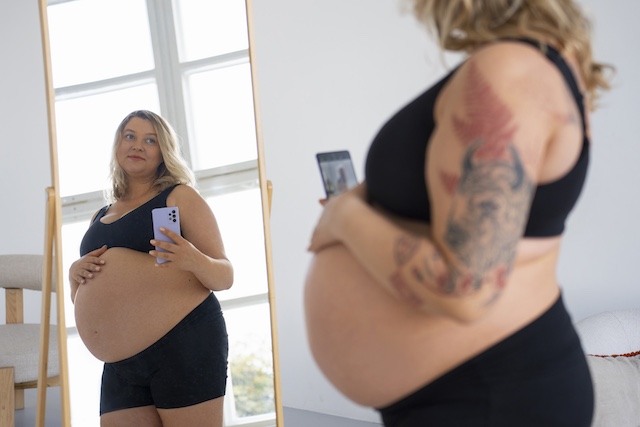
Maternal Obesity Before Pregnancy Tied to 64% Higher Childhood Obesity Risk
Key Takeaways:
- Children whose mothers had obesity before pregnancy were 64% more likely to be affected by overweight or obesity by age 3.
- Gaining excess weight during pregnancy – common among about 41% of mothers studied – was linked to a 39% higher risk.
- Maternal weight factors mattered at different stages, and the links varied between Hispanic and non-Hispanic families.
The roots of childhood obesity may begin in the womb
New research led by the George Mason University College of Public Health has found that children whose mothers began pregnancy with obesity were 64% more likely to be affected by overweight or obesity by age 3. Excessive weight gain during pregnancy was associated with a 39% increase in that risk.
“Our findings suggest that childhood obesity risk may not develop in a single, uniform way, but maternal health before and during pregnancy may play a larger role than many people realize,” said study lead author Hua Min, associate professor in the Department of Health Administration and Policy.
Timing appears to matter
Different pregnancy-related weight factors appeared to matter at different stages. Excess weight gain during pregnancy was more closely linked to infant weight, while maternal obesity was more strongly associated with weight later in toddlerhood. Researchers also found that excess weight gain during pregnancy was common, affecting about four in 10 mothers in the study.
A large, ethnically diverse US study
Published in the International Journal of Obesity, the research is among the largest and most ethnically diverse longitudinal studies in the United States to examine how maternal weight may influence obesity risk in early childhood. Researchers tracked nearly 3,000 mother-child pairs, drawing on data from a Northern Virginia birth cohort taking part in the National Institutes of Health’s Environmental influences on Child Health Outcomes (ECHO) Program.
The George Mason research team included Michael S. Bloom of the Department of Global and Community Health, along with Grace Lawrence, Alma Fuller and Kathi C. Huddleston of the School of Nursing.
Why this matters
Childhood obesity remains one of the most pressing health challenges in the United States. The study notes that nearly 90% of children with obesity at age 3 will continue to be affected by overweight or obesity into early adulthood. Those early patterns can carry long-term consequences, increasing the risk of diabetes, cardiovascular disease and other chronic health problems.
Researchers say the findings reinforce the importance of maternal health before and during pregnancy – not just for pregnancy outcomes, but also for a child’s long-term health trajectory. The findings also suggest that obesity risk may develop differently across populations, with patterns varying among demographic groups.
Study details
The findings were based on the First Thousand Days of Life Study, a Northern Virginia birth cohort taking part in the ECHO Program, which examines how early-life experiences affect child health. George Mason was selected as an ECHO research site in 2019.
Researchers enrolled 2,899 mother-child pairs in Northern Virginia between 2012 and 2019, following families from pregnancy through to age 3.
Key findings
The strongest signal came from maternal weight before conception. Children whose mothers had obesity before pregnancy were 64% more likely to be affected by overweight or obesity by age 3, and the risk rose incrementally with weight: for every one-point increase in maternal pre-pregnancy body mass index (BMI), the likelihood of childhood overweight or obesity climbed by about 4%.
Weight gain during pregnancy carried its own, separate risk. Children whose mothers gained excessive weight while pregnant were about 39% more likely to be affected by overweight or obesity by age 3, and roughly 41% of mothers in the study gained more than national guidelines recommend. Notably, the two factors seemed to act at different points in early life: excess weight gain during pregnancy showed stronger links to higher weight in infancy, whereas maternal weight before pregnancy became more strongly associated with higher child weight later in early childhood. The associations also differed between Hispanic and non-Hispanic families, suggesting that obesity risk may develop differently across populations.
Looking ahead
Taken together, the findings point to the period before and during pregnancy as a meaningful window for a child’s long-term health, rather than a single moment or cause. Because the maternal weight factors appeared to matter at different stages, and because the associations varied between demographic groups, the researchers suggest that efforts to understand and address childhood obesity may need to account for how risk builds over time and how it differs across populations.
Source: George Mason University
Read More
Childhood Obesity Risk May Begin With Fathers, Long Before Birth
Key Takeaways:
- A review in Current Obesity Reports argues that fathers influence their children’s obesity risk through several interacting biological, behavioural, and environmental pathways that begin before conception – not only through the mother.
- Paternal obesity is linked to poorer sperm quality and to epigenetic changes in sperm that can alter gene expression in the developing embryo, although some of these changes appear reversible through lifestyle modification before conception.
- The authors call for obesity prevention to include fathers explicitly – through preconceptional counselling, perinatal education for both parents, supportive workplace policies, and more research into the paternal role.
A wider lens on obesity research
A recent review published in the journal Current Obesity Reports suggests that fathers shape their children’s risk of obesity through multiple interacting pathways that begin before conception. The authors argue that efforts to prevent and study childhood obesity should focus on fathers as well as mothers.
Childhood obesity continues to rise in the United States, alongside increasing rates of overweight and obesity among adults. Current projections suggest that more than 250 million Americans could be living with overweight or obesity by 2050.
Research shows that children are more likely to develop obesity when one or both parents are affected, and the risk is highest when both parents have obesity. This pattern reflects the complex interplay of genetic, biological, behavioural, and environmental factors that influence obesity risk across generations.
The Developmental Origins of Health and Disease (DOHaD) framework holds that the periconceptional period is critical in setting the foundation for long-term outcomes, including cardiometabolic disease, through exposure to environmental factors. Maternal nutrition, obesity, and metabolism have been studied in detail because they shape the fetal environment.
More recently, the Paternal Origins of Health and Disease (POHaD) framework has been brought under the DOHaD umbrella. The current review examined the biological, psychological, and behavioural pathways through which paternal factors affect children’s health – though not in isolation from family dynamics and other environmental and social factors. The authors stress that paternal influences operate alongside maternal and broader family influences rather than separately from them.
How obesity alters sperm and offspring metabolism
Around 40% to 70% of obesity is heritable, mediated by hundreds of obesity-linked genetic variants. Obesity in fathers can affect the metabolic health of their offspring through several routes.
Paternal obesity influences sperm quality, reducing sperm concentration and motility and increasing the rate of sperm DNA fragmentation. These changes are linked to the adverse effects of obesity on paternal metabolism. The same sperm abnormalities are reflected in a 30% to 66% increase in the risk of infertility among men with obesity, and they raise the risk of pregnancy loss independently of maternal factors.
Obesity is associated with metabolic dysregulation through disrupted endocrine regulation of sperm production, testicular and systemic inflammation, and epigenetic alterations in sperm. Because sperm cells are produced continuously and mature over several months before conception, there is a wide window during which environmental exposures can leave their mark.
These epigenetic changes are heritable and can affect gene expression in the developing embryo, across pathways tied to appetite regulation, insulin signalling, and fat metabolism. In animal studies, a high-fat diet in the father is associated with obesity-related changes in the offspring. Even so, while animal research provides strong evidence for these mechanisms, the equivalent biological pathways in humans remain incompletely understood.
Notably, some obesity-associated epigenetic changes in sperm appear to be reversible through lifestyle modification before conception.
How a father’s habits shape his child’s behaviours
Becoming a father tends to be associated with weight gain and with changes across multiple health behaviours, for better or worse. A healthy preconceptional paternal diet is associated with improved sperm quality and concentration, regardless of age and body mass index (BMI), while a poor-quality diet has the opposite effect.
The quality of a father’s diet, his physical activity habits, his feeding practices, and his parenting style all influence a child’s eating and activity levels – both directly and indirectly through role modelling. The same applies to a father’s physical activity and sedentary habits.
How neighbourhood and food access shape outcomes
A father’s risk of obesity is influenced by many other factors, including income, education, and neighbourhood type.
The residential neighbourhood affects a child’s diet directly, through food access, and indirectly, through its association with food security, socioeconomic status, and the father’s mental health. Food insecurity is linked to higher consumption of high-calorie foods and an increased risk of obesity. Likewise, limited access to safe recreational spaces restricts physical activity and raises obesity risk.
These factors operate at the family level, touching everything from the father’s physiology and parenting style to the child’s developmental environment. Together they interact to compound the increase in obesity risk across generations.
Mental health is particularly important. A father living with depression is less likely to have an engaged or positive parenting style, or to value preventive healthcare for himself or his family. This can worsen a child’s eating and sleep behaviours and increase obesity risk. Children living with a parent experiencing depression are also at greater risk of adverse childhood experiences (ACEs), which may affect their long-term obesity risk.
Why fathers may shape obesity risk from the start
The authors conclude that fathers play an important role in how obesity risk is transmitted across generations – a process that begins preconceptionally and continues through childhood. They note, however, that much of the current evidence is observational, and that further human research is needed to better understand the biological mechanisms linking paternal health and offspring obesity risk.
They suggest that obesity prevention strategies should include preconceptional counselling that addresses fathers as well as mothers; perinatal education aimed at both parents; the inclusion of fathers in obesity prevention methods; workplace policies that support paternal involvement in childcare; and greater priority for research examining the father’s role in transmitting obesity risk across generations.
CCH insights:
At CCH we have been interested in the mounting evidence around the paternal origins of health and disease (POHaD) for some time, particularly in relation to obesity. This review provides a comprehensive summary of the evidence so far for the important role of fathers, not just in terms of their biological intergenerational impact, but also through health-related behaviours and their influence on the child’s environment.
Read More
Children with Obesity Face Elevated Long-Term Health Risks Even with Normal Test Results, Study Finds
Key Takeaways:
- Children living with obesity can face significantly higher risks of future disease even when current clinical tests appear normal
- By early adulthood, rates of type 2 diabetes, hypertension and abnormal lipids are markedly higher compared with the general population
- Effective obesity treatment in childhood is associated with meaningful reductions in long-term health risks
Rethinking “metabolically healthy” obesity in childhood
Children living with obesity who show no immediate signs of metabolic complications may still be at substantial risk of developing serious health conditions later in life. New research from the Karolinska Institutet, published in JAMA Pediatrics, challenges the long-standing notion that some children with obesity can be considered “metabolically healthy” and therefore may not require intervention.
The findings contribute to an ongoing clinical debate about whether normal blood markers, liver function and blood pressure in childhood are sufficient indicators of long-term health.
“There has been a debate about whether children with normal blood and liver values and normal blood pressure might not need treatment for their obesity. Our study shows that this assumption is incorrect,” says Claude Marcus, professor at the Department of Clinical Science, Intervention and Technology at Karolinska Institutet.
Study design and population
The study followed just over 7,200 children aged 7–17 in Sweden who had initiated obesity treatment. Participants were tracked longitudinally up to the age of 30, allowing researchers to assess long-term health outcomes.
Children were grouped into three categories:
- Those with metabolically healthy obesity (MHO)
- Those with obesity and impaired cardiometabolic risk markers (MUO)
- A control group drawn from the general population
This design enabled a direct comparison of long-term disease risk across different metabolic profiles in childhood.
A clearly increased risk of future disease
Despite appearing clinically healthy in childhood, individuals with MHO demonstrated a substantially elevated risk of developing cardiometabolic diseases by early adulthood.
By the age of 30:
- 9 percent of individuals with MHO had developed type 2 diabetes, compared with 17 percent in the MUO group and 0.5 percent in the control group
- High blood pressure was observed in 11 percent of the MHO group, 18 percent of the MUO group and 4 percent of the general population
- Abnormal blood lipid levels were present in 5 percent of those with MHO and 13 percent of those with MUO, compared with just 1 percent among controls
These findings indicate that even in the absence of early warning signs, children living with obesity carry a significantly increased burden of future disease risk.
“Even children with obesity who show no signs of cardiometabolic impact have a clearly increased risk of future diseases. This means that normal blood pressure and the absence of abnormal blood test results are not sufficient protection against future morbidity,” says Emilia Hagman, associate professor at the same department and the study’s corresponding author.
The role of early treatment
All children included in the study received structured support aimed at improving lifestyle habits. Researchers examined whether treatment response during childhood influenced long-term outcomes.
A strong response to treatment was associated with a reduced risk of developing all studied conditions – including type 2 diabetes, hypertension and dyslipidaemia. Notably, this protective effect was observed in both MHO and MUO groups.
This suggests that early intervention has meaningful and lasting clinical benefits, regardless of a child’s initial metabolic profile.
“Our results suggest that all children with obesity need treatment, even if they appear completely healthy upon examination,” says Claude Marcus.
Data sources and funding
The study drew on data from Sweden’s national quality registry BORIS, alongside several national health data registries.
Funding was provided by multiple organisations, including the Center for Innovative Medicine, the Ollie and Elof Ericsson Foundation and the Freemason Foundation for Children’s Welfare.
Several researchers reported receiving compensation from companies unrelated to this work. A full list of potential conflicts of interest is available in the original scientific publication.
Implications for clinical practice
The findings underscore the limitations of relying solely on current metabolic markers when assessing risk in children living with obesity. Even in the absence of immediate clinical abnormalities, long-term risks remain significant.
For clinicians, this supports a more proactive and inclusive approach to obesity management in paediatric populations – one that does not defer intervention based on apparently normal test results, but instead recognises obesity itself as a key driver of future health risk.
Read More