Surgery Plus Medication Outperforms Surgery Alone in Young People
Key Takeaways:
- Young people who restarted obesity medication a median of one month after sleeve gastrectomy lost more weight at 12 months than those who had surgery alone.
- Improvements in eating behaviours, including hunger scores, were significantly greater in the early reinitiation group.
- Rates of postoperative complications, readmissions, emergency department visits and reoperations did not differ between the two groups.
Combining pharmacotherapy with surgery in adolescent obesity care
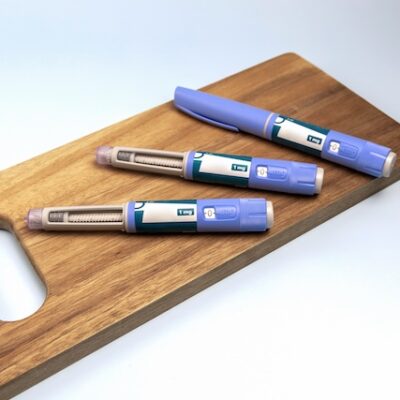
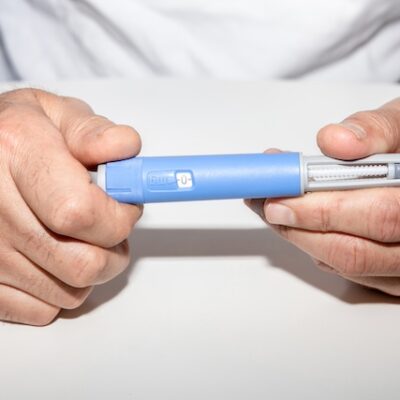
Restarting obesity medication, including glucagon-like peptide-1 (GLP-1) receptor agonists, shortly after sleeve gastrectomy is associated with greater weight loss at one year than surgery alone in adolescents, according to a research letter published online on 22 July in JAMA Surgery.
The finding speaks to a question that has become increasingly pressing as both metabolic and bariatric surgery and highly effective obesity pharmacotherapy have become available to younger patients: whether the two should be sequenced, or used together.
What the researchers set out to examine
Dr Alaina P. Vidmar, of Children’s Hospital Los Angeles, and colleagues evaluated the 12-month safety, weight trajectory and eating behaviour outcomes associated with early reinitiation of obesity medication following metabolic and bariatric surgery.
The analysis included 99 young people aged 7–20 who underwent sleeve gastrectomy between November 2023 and February 2026.
Half the cohort restarted medication within a month of surgery
Of the 99 young people in the cohort, 53 reinitiated obesity medication, with a median time to reinitiation of 1.0 month.
Among those who restarted treatment, most resumed the same class of medication they had been prescribed before surgery. Postoperative regimens were nonetheless generally consolidated, with fewer young people requiring multiagent therapy after their operation than before it.
Weight trajectories diverged after the six-month mark
Through the first six months, the two groups experienced similar early postoperative weight loss.
The picture changed by the end of the first year. The early reinitiation group achieved a greater mean reduction in body mass index (BMI) percentage at 12 months than the group who had surgery alone, at −29.3% versus −25.5%. The same pattern held for excess BMI loss percentage, at −53.6% versus −45.7%.
Eating behaviours improved more with combined treatment
Improvements in eating behaviours were significantly greater in the early reinitiation group at 12 months than in the surgery-only group. Median hunger scores on the Adult Eating Behaviour Questionnaire, for example, fell by 3.5 points in the early reinitiation group, compared with a rise of 0.2 points among those treated with surgery alone.
This behavioural dimension is a reminder that appetite regulation after surgery is not a fixed quantity, and that the interaction between pharmacological and surgical mechanisms is an area where prescribing clinicians increasingly need structured, up-to-date grounding. The College of Contemporary Health addresses precisely this territory in its GLP-1RA Complete Programme, which covers the pharmacology, patient selection, monitoring and behavioural support that underpin safe long-term use of these agents.
Safety outcomes were comparable between the groups
There was no difference between the groups in postoperative complications, including biliary events requiring cholecystectomy, readmissions, emergency department visits and reoperations.
A lifespan view of severe obesity
The authors frame the results as support for treating severe obesity in young people as a chronic condition requiring more than one modality.
“Bariatric surgery is the most durable and effective treatment for severe obesity, but for youth with severe disease, we need a multimodal approach, which means combining medication and surgery over the lifespan,” Vidmar said in a statement.
CCH insight
For clinicians supporting young people through and beyond metabolic and bariatric surgery, findings like these shift the practical question from whether to prescribe to when, what and for how long. Confidence with GLP-1 receptor agonists, and with the behavioural and monitoring work that surrounds them, is becoming a core competency rather than a specialist interest.
The College of Contemporary Health’s GLP-1RA Complete Programme is designed for healthcare professionals who want that grounding: mechanisms of action and the wider incretin landscape, patient selection and contraindications, dose escalation and adverse effect management, and the behaviour change support that helps people sustain outcomes over time. It is CPD-accredited and studied entirely online, so it fits around clinical commitments.
Explore the GLP-1RA Complete Programme →