
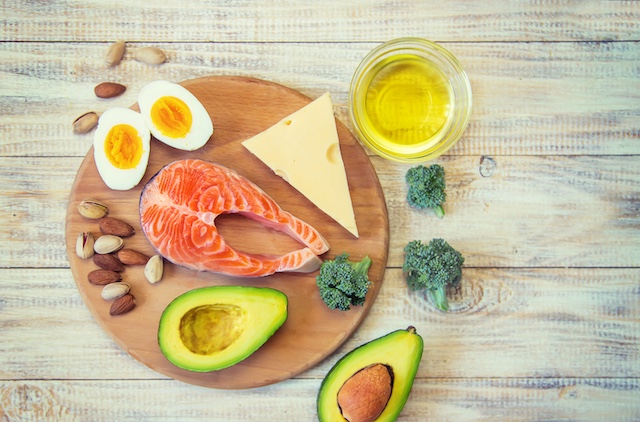
Ketogenic Diet Cut Liver Fat by 67% in a Randomised Trial
Key Takeaways:
- People with obesity who followed a ketogenic diet reduced their liver fat by an average of 67%, compared with an average reduction of 45% in both the Mediterranean and low-fat plant-forward groups – even though all three groups lost a comparable amount of weight.
- Around half of the participants following the ketogenic diet no longer met the criteria for prediabetes by the end of the study, compared with 29% in the Mediterranean group and 7% in the plant-forward group.
- Despite obtaining 73% of their calories from fat, participants in the ketogenic group showed no increase in blood fat or cholesterol levels, alongside the largest rise in glucagon and the steepest fall in blood insulin of the three groups.
Carbohydrate restriction appeared to add benefits beyond weight loss
A very low-carbohydrate, high-fat diet may deliver stronger metabolic benefits for people with obesity than either a Mediterranean diet or a low-fat diet, according to a clinical trial published on 27 August in the Cell Press journal Cell Metabolism. After four to five months on a ketogenic (or “keto”) diet, about half of the participants with obesity and prediabetes no longer met the criteria for prediabetes.
“We know weight loss can improve metabolic health in people who are obese,” says Samuel Klein, the study’s corresponding author at Washington University School of Medicine in St. Louis, Missouri. “Our data suggest that if you have high liver fat content and prediabetes, reducing carbohydrate intake can have important therapeutic effects on metabolism beyond just weight loss alone.”
The distinction matters clinically. Weight loss itself is known to improve metabolic markers, so the open question has been whether the composition of a diet contributes anything further once the amount of weight lost is held constant. This trial was designed to test exactly that.
Comparing three widely used weight loss diets
An estimated 40% of adults in the United States have obesity. Doctors often recommend low-fat, low-carbohydrate or Mediterranean diets for weight loss, but researchers have not known whether one approach provides extra metabolic advantages beyond the effects of losing weight.
The three diets differ sharply in how much carbohydrate and fat they provide:
- A low-carbohydrate diet, also known as the Atkins or ketogenic diet, greatly restricts carbohydrates. A ketogenic diet can include foods rich in saturated fat, including animal products.
- A low-fat diet, by contrast, can obtain as much as 70% of its energy from carbohydrates.
- A Mediterranean diet emphasises plant-based foods such as vegetables, olive oil and nuts, along with moderate amounts of fish and dairy.
To compare their effects, Klein and his colleagues enrolled 42 people with obesity, prediabetes and fatty liver disease in a clinical trial. Participants were randomly assigned to follow a ketogenic diet, a Mediterranean diet, or a low-fat, plant-forward diet. The research team supplied all of their food, and participants met with a dietitian every week to help them stay on their assigned eating plan.
That level of support is worth noting. Providing every meal and offering weekly dietetic contact removes much of the adherence variability that undermines free-living diet studies, which strengthens confidence that the differences observed between groups reflect the diets themselves rather than differences in how closely people managed to follow them.
Matching weight loss across the three groups
The ketogenic diet supplied just 4% of calories from carbohydrates and 73% from fat. In the Mediterranean group, 50% of calories came from carbohydrates and 35% from fat. The plant-forward diet provided 70% of calories from carbohydrates and 15% from fat.
Researchers adjusted calorie intake for each person so that participants in all three groups would lose about 10% of their body weight. Reaching that target took roughly four to five months.
By the end of the study, participants in every diet group had significantly reduced their body fat. Insulin sensitivity also improved across all three groups, helping the body control blood sugar more effectively. In other words, all three approaches worked – the question was whether any of them worked better than the others once weight loss was equalised.
The ketogenic diet produced the largest fall in liver fat
Despite similar weight loss, the ketogenic diet produced the strongest changes across several measures of liver and metabolic health. Liver fat fell by an average of 67% among people following keto, compared with an average reduction of 45% in both the Mediterranean and plant-forward groups.
The researchers also tracked participants’ metabolism over a 24-hour period by repeatedly analysing their blood. People in the ketogenic group showed the largest rise in glucagon, a hormone that helps reduce fat stored in the liver. They also had the greatest decline in blood insulin levels, another change that can help lower liver fat, compared with participants following the other two diets.
Together, the hormonal findings offer a plausible mechanism for the liver fat result: lower circulating insulin and higher glucagon both shift the liver away from storing fat, and both are the expected consequence of sharply restricting carbohydrate intake.
Blood fats did not rise on the highest-fat diet
One of the more counter-intuitive results concerned the lipid profile of the ketogenic group, whose diet contained by far the most fat and could include saturated fat from animal products.
“The most surprising finding was that participants in the ketogenic diet group didn’t experience an increase in blood fat or cholesterol levels despite consuming the most fat,” says Max Petersen, the study’s first author at Washington University School of Medicine.
Prediabetes improved most in the ketogenic group
After the weight loss intervention, about 50% of participants following the ketogenic diet no longer met the criteria for prediabetes. That compared with 29% of those on the Mediterranean diet and 7% of those following the plant-forward diet.
The researchers were careful to position dietary composition alongside, rather than against, current pharmacological options for people living with obesity.
“GLP-1-based medications have revolutionized the therapy of obesity. We now have a very effective pharmacotherapy for achieving significant weight loss,” Petersen says. “But in addition, our study shows that the specific composition of the diet can give you added benefits.”
What the findings mean for everyday practice
For healthcare professionals supporting people with obesity, prediabetes or fatty liver disease, the practical implication is that the content of a weight loss plan may deserve as much consultation time as the calorie target attached to it. Two people can lose the same 10% of their body weight and still arrive at meaningfully different liver fat and glycaemic outcomes.
This is the kind of nuance that clinicians increasingly need to be able to explain confidently in a short appointment, and it is a core focus of continuing professional development in nutrition. The College of Contemporary Health’s Nutrition & Weight Management Essentials CPD short course is designed for practitioners who want to strengthen their grounding in evidence-based nutrition and weight management before applying it in conversations with patients.
It is also worth keeping the study’s limits in view. This was a small trial of 42 people, conducted under closely controlled feeding conditions with weekly dietetic support and all food provided. Whether the ketogenic advantage persists in free-living conditions, over longer periods, and across broader populations remains to be established.
The research was supported by the National Institutes of Health and the Foundation for Barnes-Jewish Hospital.
CCH insight
Findings like these are only useful at the point where a clinician can translate them into a realistic, personalised plan with a patient. Nutrition & Weight Management Essentials is a CPD-accredited short course from The College of Contemporary Health, developed for healthcare professionals who want a practical, evidence-informed foundation in nutrition and weight management.
Explore Nutrition and Weight Management Essentials
Read More
Daily Tomato Intake May Lower Liver Fat in People With MASLD, New Study Suggests
Key Takeaways:
- In a six-week randomised study of 79 adults with metabolic dysfunction-associated liver disease (MASLD), people who ate 200 grams of raw tomatoes and 50 grams of tomato sauce each day showed a greater reduction in hepatic steatosis than people following a tomato-free control diet.
- Liver fat fell in both groups, and researchers found no meaningful differences between the groups in liver stiffness, liver enzymes, lipids or body mass index after the intervention period.
- Independent specialists described the findings as exploratory rather than practice-changing, noting the short duration, the narrow participant profile and the absence of improvement in clinically relevant markers.
What the research set out to examine
Metabolic dysfunction-associated liver disease (MASLD) covers a spectrum of liver problems, but its defining feature is hepatic steatosis – the accumulation of fat within the liver. A diagnosis also requires the presence of at least one cardiometabolic risk factor, such as obesity or high blood pressure.
Diet and lifestyle changes are a mainstay of support for people living with MASLD, and researchers are increasingly interested in whether particular foods offer measurable advantages over others. A study published in Nutrients set out to test one such food: the tomato, a staple of the Mediterranean diet.
The research team wanted to establish whether regular tomato consumption would influence liver steatosis in people who already had a MASLD diagnosis.
How the study was designed
The study enrolled 79 adults with MASLD. Researchers applied a number of exclusion criteria, ruling out people who consumed above a set threshold of alcohol and those with a body mass index above 30, the point at which obesity is classified.
Participants were divided into two groups. One group followed a tomato-free control diet. The other consumed 200 grams of raw tomatoes and 50 grams of tomato sauce daily. All tomato products were supplied by the same producer to keep the intervention consistent, and participants were asked to carry on with their usual lifestyle in every other respect.
The intervention ran for six weeks. Across that period, researchers tracked a range of health indicators, including body composition, hepatic steatosis, liver stiffness and cholesterol levels.
What the researchers found
Hepatic steatosis declined in both groups over the six weeks. The decrease was greater, however, among people in the tomato group.
Further analysis showed that hepatic steatosis had been broadly similar between the two groups at baseline, which strengthens the comparison. Other measures told a quieter story. Researchers identified no major changes in liver stiffness, and no significant differences between the groups in lipids, liver enzymes or body mass index at the end of the six-week period.
Summarising the result, the authors suggested that “tomato consumption may reduce hepatic fat accumulation independently of major changes in body weight, total and abdominal adiposity.”
Because liver fat shifted while weight and body composition did not, the study raises a familiar practical question for clinicians: how far can dietary composition alone move metabolic outcomes when overall energy intake stays broadly the same? It is the kind of question CCH explores in its CPD short course Nutrition & Weight Management Essentials, which examines the relationship between modern nutrition and weight, and how evidence-based dietary advice translates into everyday clinical conversations.
Study limitations and continued research
The six-week window is short, so the study cannot speak to whether any benefit persists over the longer term. The research also recruited only adults aged 65 and under, leaving it unclear how the findings might apply to older adults.
Most participants were men, so more balanced recruitment would strengthen future work. The decision to exclude people with a body mass index above 30 also narrows how widely the results can be applied.
Endocrinologist and obesity specialist Randa Abdelmasih MD, DipABOM, from the University of Texas Medical Branch (UTMB), who was not involved in this study, told Medical News Today:
“The study demonstrates a modest reduction in hepatic steatosis over only six weeks in a highly selected population of adults with MASLD and BMI [body mass index] of 30 kg/m² [kilograms per square meter] or more. Most patients we see in clinical practice have obesity (BMI over 30 kg/m²), type 2 diabetes, or more advanced metabolic disease, so the generalizability of these findings is limited.”
Jonathan Jennings, MS, MD, a board-certified internist with Medical Offices of Manhattan, who was likewise not involved in the research, raised a related concern about how participants were selected.
“The inclusion criteria required only one cardiometabolic risk factor, and it could be any risk factor. I am concerned that not all risks are equal, and people with multiple factors are at higher risk than those with a single risk factor,” Jennings said.
“Type 2 diabetes is more likely to lead to MASLD than high blood pressure but the study evaluates them as equal risk factors,” he pointed out.
The researchers themselves note that the reduction in liver fat may have been influenced by other factors, including the effect that taking part in a dietary intervention study can have on participants’ behaviour. The team was also reliant on dietary counselling and on participants’ own reports of how closely they followed the intervention.
Abdelmasih added that because the intervention combined raw tomatoes with tomato sauce, it is “difficult to determine which component or combination was responsible for the observed effect.”
A further gap is that researchers did not measure circulating levels of lycopene and carotenoids, the compounds most often proposed as the mechanism behind any effect tomatoes might have on liver health.
Limited clinical application at this stage
The authors describe their study as exploratory, intended primarily to inform future research. They call for confirmation through larger and longer studies, and encourage readers to treat the findings as hypothesis-generating rather than conclusive.
The clinical value is also uncertain because so much else stayed the same. As Abdelmasih put it:
“The study showed improvement in liver fat but no significant improvements in liver stiffness, fibrosis scores, liver enzymes, insulin resistance, inflammatory markers, lipid profile, or body composition. Therefore, while the imaging findings are interesting, we cannot conclude that tomato consumption meaningfully alters disease progression or improves clinically relevant outcomes.”
What this means for people living with MASLD
Within its limits, the study does point to a possible benefit of tomato consumption for people with MASLD, and to a low-cost dietary strategy that may help with fat accumulation in the liver.
Tomatoes may carry other advantages too, with existing research pointing towards cardiovascular benefits and potential anti-cancer properties.
Even so, the sensible route is for people to work with their doctor and wider healthcare team on a dietary plan that addresses their overall health, rather than concentrating on any single food.
Jennings underlined that point, and flagged two practical cautions:
“The study’s conclusions are hopeful but careful discussion with a healthcare provider is still needed before engaging in any radical dietary adjustments. Tomatoes and tomato-based products may be problematic for individuals with gastroesophageal reflux disease (GERD). Many tomato-based foods are also calorically dense and may worsen insulin resistance in certain individuals.”
The broader treatment context matters as well. According to Abdelmasih: “Dietary interventions should be viewed within the broader context of treating the underlying metabolic disease. For patients with obesity, sustained weight loss of approximately 10% or more remains the intervention with the strongest evidence for improving steatohepatitis and fibrosis.”
“While tomatoes can certainly be part of a healthy Mediterranean diet, they should not distract from therapies that have demonstrated meaningful improvements in liver and cardiometabolic outcomes,” she concluded.
CCH insight
Conversations about diet sit at the centre of metabolic and liver care, and single-food headlines can make those conversations harder rather than easier. CCH’s CPD short course Nutrition & Weight Management Essentials gives healthcare professionals a grounding in the fundamentals of nutrition, the factors driving weight gain, and what effective weight management looks like in practice – so you can place findings like these in proportion for the people you support.
Explore Nutrition & Weight Management Essentials →
Expert commentary in this article was provided to Medical News Today. Read the original report here.
Read More
Parental Weight Before Pregnancy Linked to Higher Risk of Fatty Liver Disease in Adult Offspring, UK Study Finds
Key Takeaways:
- Pre-pregnancy overweight or obesity in either parent is associated with a significantly increased risk of metabolic dysfunction associated steatotic liver disease (MASLD) in their children by early adulthood.
- When both parents were living with overweight or obesity prior to conception, the likelihood of MASLD in offspring by age 24 was more than three times higher.
- Much of this increased risk appears to be mediated by excess weight accumulated during childhood and adolescence.
Rising concern over MASLD across generations
Parental weight status before pregnancy may play an important role in shaping long-term liver and metabolic health in the next generation, according to new research published online in Gut. The findings suggest that overweight and obesity in both mothers and fathers prior to conception are linked to a heightened risk of metabolic dysfunction associated steatotic liver disease (MASLD) in their children as young adults.
MASLD, previously known as non-alcoholic fatty liver disease, is now recognised as the most common chronic liver condition worldwide. Researchers note that the disease affects approximately 15% of children and more than 30% of adults globally. The condition is characterised by excess fat accumulation in the liver alongside cardiometabolic abnormalities and may progress to cirrhosis or liver failure in some individuals.
While earlier studies have primarily focused on maternal obesity, uncertainty has remained regarding the contribution of paternal weight and the role of childhood weight trajectories in determining future disease risk.
Large UK birth cohort provides long-term insight
To investigate these questions, researchers analysed data from 1,933 participants enrolled in the UK Avon Longitudinal Study of Parents and Children (ALSPAC), a long-running population study tracking health outcomes across generations.
The study examined associations between parental body mass index (BMI) before pregnancy and the likelihood that offspring would develop MASLD by the age of 24.
MASLD was defined as the presence of elevated liver fat together with at least one cardiometabolic risk factor, such as raised cholesterol levels or elevated fasting glucose.
Both parents provided information on height, weight, BMI and waist circumference before pregnancy. They also completed detailed questionnaires during pregnancy and following childbirth covering a wide range of potential influencing factors, including:
- Age at delivery
- Smoking during early pregnancy
- Weekly alcohol consumption prior to pregnancy
- Employment status
- Educational attainment
Mothers additionally reported physical activity levels and whether they had previously been diagnosed with diabetes or hypertension at study enrolment.
Tracking early life and adolescent risk factors
Extensive information was also collected about the children, allowing researchers to examine developmental influences across childhood and adolescence. Recorded factors included:
- Sex
- Mode of delivery
- Gestational age and birthweight
- Antibiotic exposure during the first six months of life
- Duration of breastfeeding
Participants underwent repeated measurements of BMI and waist circumference between the ages of 7–9, 10–12 and 13–17 years. Lifestyle factors in early adulthood, including alcohol and tobacco use, were also assessed.
One in ten young adults developed MASLD
By age 24, MASLD was identified in 201 participants, representing approximately one in ten individuals in the cohort. The remaining 1,732 participants had normal liver findings.
Those living with MASLD were more likely to be male and to have a higher BMI compared with peers without the condition.
After adjusting for multiple potential confounding factors, both maternal and paternal overweight or obesity before conception were independently associated with increased odds of MASLD in offspring.
Each additional kilogram per square metre of maternal BMI increased the likelihood of MASLD by 10%, while each equivalent increase in paternal BMI was associated with a 9% rise in risk.
Most notably, offspring whose parents were both living with overweight or obesity prior to pregnancy had more than three times the odds of developing MASLD compared with those whose parents had a normal BMI.
Childhood weight plays a central role
Further analysis suggested that much of this association operates through weight gain during childhood and adolescence. Researchers estimated that 67% of the increased risk linked to parental overweight or obesity was explained by cumulative excess BMI between the ages of 7 and 17.
Additional analyses incorporating maternal and offspring sugar intake, as well as genetic susceptibility to MASLD, produced similar results, strengthening confidence in the observed associations.
Observational findings with important limitations
The authors emphasise that the study was observational and therefore cannot establish direct causation. Several limitations were also acknowledged.
Parental weight data prior to pregnancy were self-reported, and information was unavailable regarding parental MASLD status or certain underlying health conditions before and during pregnancy. In addition, physical activity levels of offspring in early adulthood were not captured, which may have influenced outcomes.
Implications for preconception health
Despite these limitations, the researchers conclude that their findings highlight the potential importance of parental metabolic health before conception in shaping long-term outcomes for future generations.
They state that the results “lend support to an early life influence of biparental obesity on offspring metabolic health, suggesting efforts to mitigate excess adiposity of both mothers and fathers before conceiving may confer longitudinal benefits to the metabolic outcomes of their future offspring.“
The study adds to growing evidence that prevention of metabolic disease may need to begin not only in childhood, but even before pregnancy, with both parents playing a meaningful role in influencing lifelong health trajectories.
Read More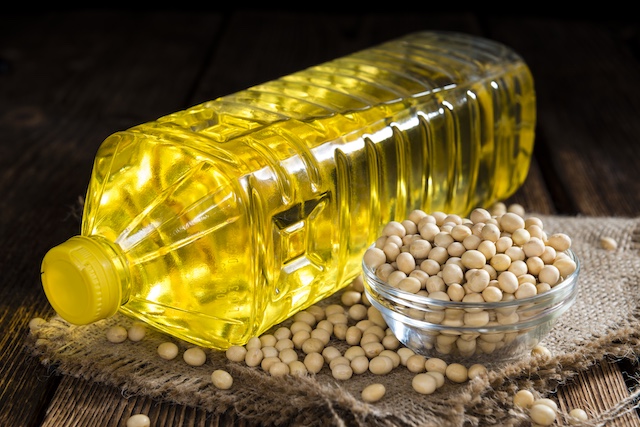
Mice Study Connects Soybean Oil Intake to Liver Changes and Obesity
Key Takeaways:
- New research in mice suggests that weight gain linked to soybean oil is driven by the metabolic products of linoleic acid rather than the oil itself.
- Genetically engineered mice resistant to obesity on a high-fat soybean oil diet produced fewer oxylipins and showed healthier liver function.
- Scientists believe differences in human genetics, enzyme levels, and metabolic stress may influence people’s susceptibility to soybean-oil-related metabolic effects.
A closer look at soybean oil and obesity
Soybean oil is the most widely consumed cooking oil in the United States and is a key ingredient in many processed foods. A growing body of research has associated high intake of soybean oil with weight gain in animals. A new study from the University of California, Riverside (UCR), published in the Journal of Lipid Research, provides fresh insight into why this may occur.
Researchers found that mice consuming a high-fat diet rich in soybean oil gained considerable weight. However, a separate group of genetically engineered mice did not, despite eating the same diet. These altered mice carried a slightly different version of a liver protein that affects the expression of hundreds of genes involved in fat metabolism.
The findings point toward a metabolic mechanism that may help explain differences in weight gain among individuals exposed to similar diets.
“This may be the first step toward understanding why some people gain weight more easily than others on a diet high in soybean oil,” said Sonia Deol, a UCR biomedical scientist and corresponding author of the study.
The role of HNF4α in fat metabolism
In humans, both forms of the liver protein known as HNF4α occur naturally. However, the alternative version typically appears only under certain conditions, such as chronic illness, prolonged fasting, metabolic stress, or alcoholic fatty liver disease. These variations, combined with factors such as age, sex, medication use, and underlying genetics, may influence how different people respond to high levels of soybean oil in their diet.
The UCR team believes that the altered form of HNF4α in genetically engineered mice changes how the body processes linoleic acid, a major fatty acid in soybean oil.
Building on earlier research
The study adds to previous findings from the same research group.
“We’ve known since our 2015 study that soybean oil is more obesogenic than coconut oil,” said Frances Sladek, a UCR professor of cell biology. “But now we have the clearest evidence yet that it’s not the oil itself, or even linoleic acid. It’s what the fat turns into inside the body.”
One of the major metabolic products of linoleic acid is a group of molecules called oxylipins. These compounds are associated with inflammation, fat accumulation, and other metabolic changes.
Oxylipins and their link to weight gain
Mice engineered to produce the alternative form of HNF4α showed markedly lower levels of oxylipins in their livers, despite consuming a high-fat soybean oil diet. They also had healthier liver profiles and enhanced mitochondrial function. Improved mitochondrial activity may help explain their resistance to weight gain.
Researchers pinpointed specific oxylipins derived from both linoleic acid and alpha-linolenic acid (another fatty acid found in soybean oil) that appeared necessary for weight gain in regular mice.
However, the picture is complex. Even though transgenic mice on a low-fat diet showed elevated oxylipin levels, they did not become obese. This suggests that while these molecules contribute to weight gain, they are unlikely to be the sole drivers. Other metabolic conditions must also play a role.
Genetic variation in enzyme levels
Further analysis revealed that the modified mice had far lower levels of two key enzyme families responsible for converting linoleic acid into oxylipins. These enzymes are highly conserved across all mammals, including humans, and can vary significantly from person to person based on factors such as genetics and diet.
The scientists also observed that oxylipin levels in the liver, rather than in the bloodstream, were correlated with body weight. This indicates that standard blood tests may not reliably detect early metabolic disturbances linked to diet.
Soybean oil’s rise in the American diet
Soybean oil consumption in the United States has risen dramatically over the past century. It has increased from around 2 percent of total daily calories to almost 10 percent. Although soybeans provide protein and the oil contains no cholesterol, modern diets deliver far greater quantities of linoleic acid than the body is likely evolved to manage.
In line with this, the UCR study found that soybean oil intake was associated with increased cholesterol levels in mice despite the oil containing no dietary cholesterol. This reflects the complex interplay between dietary fats and internal metabolic pathways.
Questions for future research
The team now aims to understand precisely how oxylipin formation leads to weight gain and whether oils with similarly high linoleic acid content – including corn, sunflower, and safflower oils – trigger comparable effects.
“Soybean oil isn’t inherently evil,” said Deol. “But the quantities in which we consume it is triggering pathways our bodies didn’t evolve to handle.”
Although the researchers have no plans for human trials, they hope the findings will inform future studies and guide public health policy.
“It took 100 years from the first observed link between chewing tobacco and cancer to get warning labels on cigarettes,” Sladek noted. “We hope it won’t take that long for society to recognise the link between excessive soybean oil consumption and negative health effects.”
Read More