

Poor Sleep Quality in Late Pregnancy Linked to Higher Obesity Risk in Children
Key Takeaways:
- Mothers with poor sleep quality in late pregnancy had babies with lower weight in the first six months of life but higher weight at ages 1–2 years, with the effect strongest in male infants and babies born at term.
- In a study of 645 mother–child pairs, children whose mothers reported the worst sleep quality weighed 346.7 grams (12 ounces) more at age 1, with the greatest difference of 751.5 grams (1.7 pounds) observed at 17 months.
- Researchers suggest that incorporating sleep quality assessments into routine antenatal care could support early identification of at-risk pregnancies, and that addressing poor sleep could benefit the health of both mother and child.
Sleep in pregnancy and early childhood growth
New research has found that mothers who experienced poor sleep quality in late pregnancy had babies who weighed less during the first six months of life but more at ages 1–2 years. This effect was most pronounced in male infants and in babies born at term.
The findings, published in the American Journal of Preventive Medicine, suggest that incorporating sleep quality assessments into routine antenatal care could help healthcare professionals identify at-risk pregnancies earlier. The researchers also suggest that addressing poor sleep quality during pregnancy could benefit the health of both mother and child.
Two modifiable public health concerns
Sleep health in pregnancy and childhood obesity are both major, modifiable public health concerns. Global obesity rates among children and adolescents more than doubled between 1990 and 2022, and obesity now affects more than 390 million children aged 5–19.
Previous studies have found that poor sleep health is associated with a range of health conditions, including diabetes, obesity and cardiovascular disease. Both human and animal studies have also suggested that sleep quality during pregnancy may play a role in the intergenerational transmission of obesity risk from mother to child.
Rapid weight gain during infancy is a recognised risk factor for obesity in later childhood. Understanding how sleep health in pregnancy affects growth trajectories in early childhood could therefore help to mitigate its impact on children’s metabolic health.
Addressing gaps in the evidence
Much of the existing research in this area has been cross-sectional or has focused on children older than 2. In addition, the association between sleep health in pregnancy and childhood obesity has not been studied extensively in Hispanic populations in the US, who experience higher rates of overweight and obesity than other racial or ethnic groups.
How the study was conducted
The study examined 645 mother–child pairs from the Maternal and Developmental Risks from Environmental and Social Stressors (MADRES) prospective pregnancy cohort in Los Angeles. Researchers assessed late-pregnancy sleep quality using the Jenkins Sleep Scale questionnaire.
Children’s height and weight were either measured during follow-up visits at the University of Southern California clinic or taken from medical records.
Sleep quality and infant weight
Most mothers in the study reported mild to moderate sleep disturbance, while 26% reported poor sleep quality.
Children whose mothers reported the worst sleep quality had lower weights from birth to 6 months, followed by higher weights thereafter. At age 1, the difference in weight was 346.7 grams (12 ounces). The greatest difference was observed at 17 months, at 751.5 grams (1.7 pounds).
The study highlights the importance of good sleep health during pregnancy. According to the researchers, the associations observed appear to be driven primarily by poor sleep quality in late pregnancy and are not explained by other traditionally identified prenatal and postnatal factors, such as feeding practices in childhood.
For healthcare professionals working with families, findings such as these reinforce the value of considering the earliest influences on a child’s weight. The College of Contemporary Health’s Childhood Obesity Essentials CPD course offers a useful grounding for clinicians looking to strengthen their understanding of childhood obesity and the factors that shape it.
Potential biological pathways
Senior author Carrie V. Breton, MPH, PhD, Professor at the Bursky School of Public Health, Washington University in St. Louis, and Adjunct Professor in the Department of Population and Public Health Sciences, Keck School of Medicine, University of Southern California, said:
“Our research supports the notion that exposures during critical developmental windows of pregnancy can program offspring health.
“Several biological mechanisms may link late-pregnancy sleep health to children’s weight trajectories. For instance, poor sleep may affect maternal or child metabolic health programming, or both, which in turn could affect neonatal fat mass distribution and lead to abnormal lipid profiles or higher inflammation. Alternatively, stress pathways associated with higher childhood obesity risk may also play a role.”
Implications for antenatal care
Lead author Xiaoran Yang, MPH, a PhD graduate from the Department of Population and Public Health Sciences, Keck School of Medicine, University of Southern California, added:
“Poor sleep health in pregnancy is common and often overlooked, and our findings suggest that monitoring it in routine prenatal care could be a simple and powerful step toward healthier growth for the next generation.”
CCH insight
Early life offers a crucial window for shaping a child’s long-term weight and metabolic health. Healthcare professionals who support families during pregnancy and early childhood are well placed to recognise risk factors early and help families take preventive steps. Build your confidence in this area with our Childhood Obesity Essentials CPD course.
Explore Childhood Obesity Essentials →
Source: American Journal of Preventive Medicine
Read More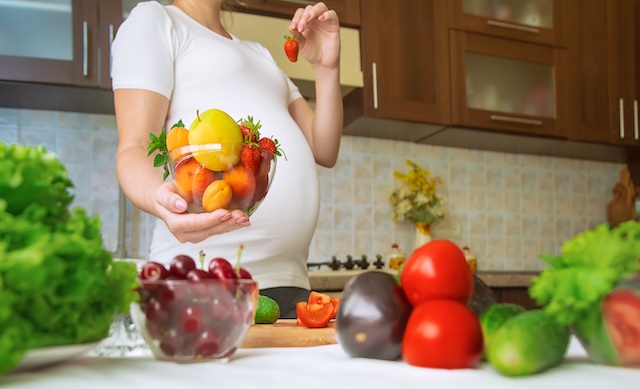
Maternal Fruit and Vegetable Intake Linked to Lower Childhood Obesity Risk
Key Takeaways:
- Higher maternal fruit and vegetable intake during pregnancy was associated with lower odds of overweight or obesity in children at four years of age.
- Commercial fruit juice intake was linked to higher odds of these outcomes, though the authors classed this as exploratory. Natural and total juice showed no association.
- The study was observational and relatively small, so it cannot establish cause and effect.
Why prenatal nutrition is under the spotlight
Maternal diet shapes offspring development from the earliest stages of gestation. A recent study published in the journal Nutrients reports that higher maternal fruit and vegetable intake during pregnancy was associated with lower odds of overweight or obesity in children at four years of age. In contrast, overweight and obesity were more common among children whose mothers reported higher intakes of commercial fruit juices, though not natural fruit juices. The authors were careful to frame this second result as exploratory.
Childhood obesity has risen steadily across the world over recent decades, and Spain records the second-highest prevalence among European nations. The associations between paediatric obesity and a range of adverse physical and psychosocial outcomes are well documented in the literature.
That trajectory has prompted growing interest in preventive strategies that begin before birth. Maternal diet during pregnancy is considered particularly influential because it helps determine the intrauterine environment and may shape fetal metabolic programming, with potential consequences for the child’s long-term risk of obesity.
Greater adherence to healthy dietary patterns in pregnancy has been associated with improved growth, reduced adiposity and a lower risk of childhood overweight and obesity. Such patterns are characteristically high in fruit and vegetable consumption. These foods deliver an abundance of essential vitamins, minerals, dietary fibre and bioactive compounds with antioxidant and anti-inflammatory properties.
There is also a postnatal dimension. Maternal dietary habits often persist after childbirth and may influence a child’s developing food preferences and consumption patterns through mechanisms such as parental modelling and early exposure to a wide range of flavours.
What was already known, and what was missing
Previous studies examining maternal fruit and vegetable (FV) consumption during pregnancy have focused largely on birth weight and infant growth up to six months of age. Fruit juice consumption during pregnancy has been linked inconsistently to offspring adiposity or overweight, and earlier work did not distinguish between natural and commercial fruit juices.
To the authors’ knowledge, no prospective study had comprehensively examined maternal consumption of fruit and vegetables alongside different types of fruit juice in relation to childhood overweight and obesity. The current study set out to examine these associations in children up to four years of age.
Study characteristics
The researchers drew on data from the ECLIPSES trial, a community-based study conducted in Spain. All participants were healthy pregnant women aged at least 18 years, with a gestational age of 12 weeks or less at recruitment.
This observational analysis included 252 women from the trial who had provided dietary data via a food frequency questionnaire at 12, 24 and 36 weeks of pregnancy, together with information on the overweight or obesity status of their four-year-old children born from the index pregnancy.
Participants included in this analysis had higher educational attainment and were older than those who were not included. Within the sample, 24.6% of children were living with overweight or obesity.
Average maternal intakes were approximately 119 g/day for fruit and 74.5 g/day for vegetables. Fruit juice consumption averaged 105 g/day, with natural fruit juice accounting for 55% of that total.
Findings: fruit and vegetables
Greater maternal fruit and vegetable intake was inversely associated with overweight or obesity in the offspring when the highest tertile of intake was compared with the lowest. However, when fruit and vegetables were examined separately, neither showed an independent association with the children’s weight outcomes.
Findings: fruit juice
Neither total nor natural fruit juice consumption was associated with overweight or obesity in the offspring. Commercial fruit juice intake, by contrast, was linked with higher odds of these outcomes. The authors treated this as an exploratory finding, because multiple correlated dietary exposures and comparisons were evaluated.
It is important to note how the category was defined. “Commercial fruit juice” was a broad grouping that encompassed all commercially produced or packaged juices regardless of added sugar, including 100% packaged juice, juice from concentrate, nectars and fruit drinks. These subtypes were not analysed separately.
Sensitivity analyses produced broadly similar estimates to the primary results. None of the associations reached statistical significance when intake was modelled continuously in 100 g/day increments, and no evidence of departure from linearity was observed.
Biological pathways the authors propose
These findings add to a growing body of evidence suggesting that maternal diet in pregnancy may influence offspring health. The authors postulate that the rich antioxidant and anti-inflammatory content of fruit and vegetables, stemming from multiple bioactive compounds, may reduce oxidative stress and systemic inflammation while helping to regulate metabolic pathways.
The abundant dietary fibre in fruit and vegetables, coupled with their typically low glycaemic load, may also support glucose regulation during pregnancy. The authors are explicit that these mechanisms are biologically plausible but cannot be proved by the findings of the current study.
The role of family eating patterns after birth
Postnatal family eating patterns may also help explain the observed relationship. Relevant factors include a child’s exposure to fruit and vegetables in early childhood, the home food environment and parental example. Previous studies have reported higher fruit and vegetable intake in early childhood where maternal diet during pregnancy was of higher quality.
This hypothesis could not be tested in the present analysis, as the children’s dietary intake was not followed up and no information on the home food environment was available.
Why commercial juice may behave differently
The authors offer several possible explanations for the association between maternal commercial fruit juice consumption in pregnancy and overweight or obesity in childhood. A previous compositional analysis cited by the authors reported higher sucrose and total carbohydrate contents in commercially available juices than in natural juices. Prenatal exposure to sweet flavours may also influence the development of taste preferences for sweet foods after birth.
In addition, commercial fruit juice consumption during pregnancy might act as a marker of a broader family lifestyle pattern that affects a child’s risk of obesity. As with the proposed biological mechanisms, none of these hypotheses were tested in the study.
For practitioners working with families in this space, the interplay between prenatal nutrition, the early home food environment and later weight trajectories is precisely the territory covered by The College of Contemporary Health’s CPD short course Childhood Obesity Essentials, which supports clinicians in translating this kind of evidence into everyday practice.
Limitations
The observational nature of the study precludes causal inference. Residual confounding from maternal, family and postnatal infant or child factors also remains possible.
The results were not adjusted for gestational diabetes, paternal BMI, family socioeconomic status, or the child’s dietary and physical activity profile. Longitudinal data on the children’s dietary intake up to age four were unavailable.
A high rate of loss to follow-up from initial recruitment produced notable differences in maternal age and educational level between the initial and final samples, which may have introduced selection bias. Self-reported dietary intake is a further potential source of error.
The relatively small number of overweight and obesity cases increased the risk of statistical overfitting, and the multiple correlated dietary comparisons mean that chance findings cannot be ruled out, particularly in relation to commercial fruit juice.
Finally, the findings may not be generalisable to other populations.
Conclusion
The study found that higher maternal fruit and vegetable consumption was associated with lower odds of overweight and obesity in children at four years of age. An exploratory analysis further suggested that higher maternal consumption of commercial fruit juice was associated with higher odds of these outcomes.
Given the observational design, the study cannot establish causality and should not be taken as support for specific dietary interventions. Future research should follow up children within larger cohorts while adjusting for the wider range of maternal, family and child-related factors that could shape this association. The underlying pathways also remain to be elucidated.
CCH insight
Evidence on early-life determinants of weight is developing quickly, and the practical questions it raises – how to discuss nutrition in pregnancy, how to support families without stigma, and how to use people-first language with confidence – arrive in clinic long before the science is settled.
Childhood Obesity Essentials is a CPD short course from The College of Contemporary Health designed for healthcare professionals who support children, young people and their families. It offers a grounding in the contemporary evidence base and the communication skills needed to apply it sensitively.
Explore Childhood Obesity Essentials →
Read More
Maternal Obesity Before Pregnancy Tied to 64% Higher Childhood Obesity Risk
Key Takeaways:
- Children whose mothers had obesity before pregnancy were 64% more likely to be affected by overweight or obesity by age 3.
- Gaining excess weight during pregnancy – common among about 41% of mothers studied – was linked to a 39% higher risk.
- Maternal weight factors mattered at different stages, and the links varied between Hispanic and non-Hispanic families.
The roots of childhood obesity may begin in the womb
New research led by the George Mason University College of Public Health has found that children whose mothers began pregnancy with obesity were 64% more likely to be affected by overweight or obesity by age 3. Excessive weight gain during pregnancy was associated with a 39% increase in that risk.
“Our findings suggest that childhood obesity risk may not develop in a single, uniform way, but maternal health before and during pregnancy may play a larger role than many people realize,” said study lead author Hua Min, associate professor in the Department of Health Administration and Policy.
Timing appears to matter
Different pregnancy-related weight factors appeared to matter at different stages. Excess weight gain during pregnancy was more closely linked to infant weight, while maternal obesity was more strongly associated with weight later in toddlerhood. Researchers also found that excess weight gain during pregnancy was common, affecting about four in 10 mothers in the study.
A large, ethnically diverse US study
Published in the International Journal of Obesity, the research is among the largest and most ethnically diverse longitudinal studies in the United States to examine how maternal weight may influence obesity risk in early childhood. Researchers tracked nearly 3,000 mother-child pairs, drawing on data from a Northern Virginia birth cohort taking part in the National Institutes of Health’s Environmental influences on Child Health Outcomes (ECHO) Program.
The George Mason research team included Michael S. Bloom of the Department of Global and Community Health, along with Grace Lawrence, Alma Fuller and Kathi C. Huddleston of the School of Nursing.
Why this matters
Childhood obesity remains one of the most pressing health challenges in the United States. The study notes that nearly 90% of children with obesity at age 3 will continue to be affected by overweight or obesity into early adulthood. Those early patterns can carry long-term consequences, increasing the risk of diabetes, cardiovascular disease and other chronic health problems.
Researchers say the findings reinforce the importance of maternal health before and during pregnancy – not just for pregnancy outcomes, but also for a child’s long-term health trajectory. The findings also suggest that obesity risk may develop differently across populations, with patterns varying among demographic groups.
Study details
The findings were based on the First Thousand Days of Life Study, a Northern Virginia birth cohort taking part in the ECHO Program, which examines how early-life experiences affect child health. George Mason was selected as an ECHO research site in 2019.
Researchers enrolled 2,899 mother-child pairs in Northern Virginia between 2012 and 2019, following families from pregnancy through to age 3.
Key findings
The strongest signal came from maternal weight before conception. Children whose mothers had obesity before pregnancy were 64% more likely to be affected by overweight or obesity by age 3, and the risk rose incrementally with weight: for every one-point increase in maternal pre-pregnancy body mass index (BMI), the likelihood of childhood overweight or obesity climbed by about 4%.
Weight gain during pregnancy carried its own, separate risk. Children whose mothers gained excessive weight while pregnant were about 39% more likely to be affected by overweight or obesity by age 3, and roughly 41% of mothers in the study gained more than national guidelines recommend. Notably, the two factors seemed to act at different points in early life: excess weight gain during pregnancy showed stronger links to higher weight in infancy, whereas maternal weight before pregnancy became more strongly associated with higher child weight later in early childhood. The associations also differed between Hispanic and non-Hispanic families, suggesting that obesity risk may develop differently across populations.
Looking ahead
Taken together, the findings point to the period before and during pregnancy as a meaningful window for a child’s long-term health, rather than a single moment or cause. Because the maternal weight factors appeared to matter at different stages, and because the associations varied between demographic groups, the researchers suggest that efforts to understand and address childhood obesity may need to account for how risk builds over time and how it differs across populations.
Source: George Mason University
Read More
Mobile App May Help Prevent Excess Weight Gain in Pregnancy
Key Takeaways:
- A digital intervention combining self-monitoring and personalised feedback helped reduce excess weight gain during pregnancy among women with overweight or obesity
- Participants using the programme gained weight more slowly and were less likely to exceed recommended guidelines compared with standard care
- Greater engagement, particularly consistent self-weighing, was linked to better outcomes
Addressing a common challenge in pregnancy
Weight gain during pregnancy is both expected and necessary. However, gaining more than recommended levels is associated with increased health risks for both the pregnant person and the baby. These risks are particularly pronounced among individuals who are already living with overweight or obesity at the start of pregnancy.
Excess gestational weight gain has been linked to complications such as gestational diabetes and preeclampsia. It also increases the likelihood of pre-term birth and larger birthweight, both of which can complicate delivery and raise the child’s long-term risk of obesity.
In the United States, around half of pregnant individuals with overweight or obesity exceed national guidelines for weight gain, highlighting a persistent challenge in routine prenatal care.
The LEAP programme – a technology-enabled approach
To address this issue, researchers at Kaiser Permanente developed the Lifestyle, Eating, and Activity in Pregnancy (LEAP) programme. The intervention was designed to provide scalable, technology-driven support integrated into everyday clinical care.
The study, published in JAMA Network Open on 20 April, evaluated whether this digital approach could help individuals maintain healthier weight gain trajectories during pregnancy.
“Our results are especially exciting because we intentionally designed the LEAP program to be feasible for widespread implementation,” said first author Monique Hedderson, PhD, principal investigator with the Kaiser Permanente Division of Research (DOR). “This study represents the culmination of years of research on what works well for this high-risk population and how to leverage technology to make those benefits achievable across a health system.”
How the intervention worked
Participants in the LEAP group were provided with a digital scale for home use and a wearable activity tracker, either a Fitbit or their own Apple Watch. These devices were connected to a mobile application that delivered automated, personalised feedback on both weight and physical activity.
The programme also included weekly educational sessions delivered through the app, focusing on realistic and achievable goals related to diet and exercise. In parallel, clinicians received guidance on how to discuss gestational weight gain with patients more effectively.
A key feature of the programme was its adaptive design. Individuals whose weight gain began to accelerate received targeted support, including personalised chat messages from a lifestyle coach. If necessary, this support escalated to telephone consultations.
“About half of patients in the LEAP intervention group managed weight well on their own, but for those inching towards the upper limit of recommendations, LEAP provided extra, targeted support,” said Hedderson. “This conserves resources for patients who need help the most.”
Study design and participant outcomes
The effectiveness of the LEAP programme was assessed across 58 clinicians within Kaiser Permanente Northern California. All pregnant patients with overweight or obesity under their care were invited to participate.
Clinicians were randomly assigned to one of two groups:
- Standard care plus the LEAP intervention
- Standard care alone
In total, 1,256 participants were included in the study. Of these, 677 received the LEAP programme, while 588 received standard care.
Standard care involved providing patients with a newsletter at their first prenatal visit outlining healthy weight gain targets and lifestyle advice. At around 20 weeks, clinicians reviewed weight gain against recommended guidelines.
The results showed clear differences between the groups. Participants in the LEAP programme experienced:
- Lower weekly rates of weight gain
- Lower total weight gain during pregnancy
- Reduced likelihood of exceeding recommended guidelines
In addition, fewer individuals in the LEAP group gave birth to infants classified as large for gestational age.
“This study demonstrates that combining wireless self-monitoring tools with an adaptive digital intervention can make a meaningful difference for patients with overweight or obesity at risk of excess weight gain during pregnancy,” said Kari Carlson, MD, director of women’s health for The Permanente Medical Group. “Importantly, it was tested in routine care, making the findings highly relevant for health systems looking for practical solutions.”
Engagement matters
Although all participants assigned to the LEAP group were included in the analysis, only around half actively engaged with the programme. This reflects real-world conditions, where not all individuals fully participate in digital health interventions.
However, among those who did engage, outcomes were notably stronger. Higher levels of interaction with the programme, particularly consistent self-weighing, were associated with lower overall weight gain.
“When we zoomed in on participants who actually engaged, we found that the more they engaged, especially by weighing themselves consistently, the less weight they gained,” Hedderson said.
Participants could view their weight trends in relation to Institute of Medicine guidelines within the app, a feature that appeared to play a particularly important role in supporting behaviour change.
“This seems to be a particularly effective component of the program,” she said.
Implications for clinical practice
The findings suggest that digital, scalable interventions such as LEAP could offer a practical solution to a longstanding challenge in prenatal care. By integrating self-monitoring tools, automated feedback, and targeted coaching into routine workflows, the programme demonstrates how technology can support both patients and clinicians without increasing burden.
“Excess gestational weight gain among these high-risk patients is a common and challenging issue in routine prenatal care,” said senior author Assiamira Ferrara, MD, PhD, a DOR senior research scientist. “What’s compelling about the LEAP study is that it shows we can support healthier weight gain using scalable, technology-enabled tools that fit within real-world clinical workflows, without adding burden for patients or clinicians.”
Looking ahead
The research team continues to follow participants to assess longer-term outcomes for both parents and children. There is optimism that the LEAP programme could be integrated into routine care in the near future.
“Bottom line, using technology to help patients manage their own health can be effective, and patients tend to like it, too,” Hedderson said.
Funding and research team
The study was funded by the National Institutes of Health.
Additional co-authors included Susan D. Brown, PhD; Charles P. Quesenberry, PhD; Fei Xu, MS; Emily Liu, MPH; Karen L. Li, MPH; Sneha B. Sridhar, MPH; Tali Sedgwick, RDN; Page Kissel, BA; and Hillary D. Serrato Bandera, BA, all from the Division of Research. Mibhali M. Bhalala, MD, contributed from Kaiser Permanente Northern California, and Cheryl Albright, PhD, MPH, contributed from the University of Hawaii at Manoa School of Nursing and Dental Hygiene.
About the Kaiser Permanente Division of Research
The Kaiser Permanente Division of Research conducts epidemiological and health services research aimed at improving health outcomes and healthcare delivery. With more than 720 staff and approximately 630 active research projects, the division focuses on understanding the determinants of illness and advancing the quality and cost-effectiveness of care.
Source: Kaiser Permanente Division of Research
Read More
Breastfeeding for Three Months or More Linked to Lower Long-Term Weight Gain in Women
Key Takeaways:
- Women who breastfeed for at least three months may gain significantly less weight later in life, with differences observed decades after childbirth.
- The strongest long-term effect is seen in women who had overweight or obesity before pregnancy.
- Breastfeeding appears to influence energy balance, although individual responses vary and support remains essential.
Long-term impact of breastfeeding on weight
Breastfeeding has long been associated with short-term postpartum weight changes, but new research suggests its effects may extend much further. A study conducted by researchers at the University of Oslo indicates that women who breastfeed for at least three months may experience lower weight gain even decades later.
According to the findings, women gained up to 6.5 kilograms less on average later in life if they breastfed for a minimum of three months. This extends the understanding of breastfeeding beyond its immediate postpartum benefits, highlighting its potential role in long-term weight trajectories.
Previous research has largely focused on weight changes in the first one to two years after childbirth. In contrast, this study followed women for up to 50 years after they had stopped breastfeeding, offering a rare insight into lifelong health patterns. The findings are expected to inform further research into maternal cardiovascular risk.
Large-scale study provides robust data
The analysis drew on data from the Women and Health Study, which includes more than 170,000 women in Norway. The results were published in the American Journal of Clinical Nutrition.
This large cohort allowed researchers to examine how breastfeeding duration relates to weight development across different groups of women, while accounting for factors such as education, physical activity, and smoking.
Strongest effect seen in women with overweight
The most pronounced differences were observed among women who had overweight or obesity in early adulthood, prior to pregnancy.
“We compared women in this group who were otherwise similar in terms of education level, physical activity and smoking. We then found that those who breastfed for three to 15 months gained on average up to 6.5 kilos less from young adulthood to middle age, compared with those who breastfed little,” says Thorbjørn Brun Skammelsrud.
Skammelsrud is completing his doctoral research at the Department of Nutrition, Institute of Basic Medical Sciences at the University of Oslo.
More modest differences in women with normal weight
Among women who had a normal weight in early adulthood, the long-term effect of breastfeeding was still present but less pronounced. Those who breastfed for three to 15 months gained up to 3 kilograms less compared with those who breastfed for shorter periods.
For women who had been underweight before pregnancy, breastfeeding appeared to have little influence on long-term weight outcomes.
Biological mechanisms and individual variation
The study also highlights the complex relationship between breastfeeding and energy balance.
“Breastfeeding increases energy expenditure, so in theory breastfeeding should contribute to weight loss. But precisely because energy expenditure increases, some women will also experience increased appetite when they are breastfeeding,” Skammelsrud explains.
This means that while breastfeeding may support weight regulation at a population level, individual experiences can differ significantly.
Implications for public health
The study included women who had children as early as the 1940s, although the association between breastfeeding and lower weight was strongest among those who gave birth after 1980. This group is considered more representative of current maternal behaviours, particularly in terms of diet and breastfeeding practices.
In Norway, national guidance generally recommends partial breastfeeding for one year or longer, provided both mother and infant are comfortable. Breastfeeding rates in Norway are relatively high compared with many other countries.
“This is positive for public health. At the same time, the study shows that some women may need extra follow-up after giving birth, particularly those with overweight or obesity,” Skammelsrud says.
Offering that kind of tailored follow-up draws on a solid grounding in nutrition and weight management – the focus of professional training such as the College of Contemporary Health’s Nutrition & Weight Management Essentials, a CPD-accredited online short course.
Supporting women who choose to breastfeed
The findings reinforce the importance of enabling and supporting breastfeeding where desired.
“In this study, we see that breastfeeding for at least three months has a positive effect on women’s weight later in life. It is therefore important that breastfeeding is facilitated, and that women who wish to breastfeed are offered qualified support,” the researcher says.
Ensuring access to appropriate guidance and support may help maximise both short-term and long-term health outcomes for women.
CCH insight
As this study shows, supporting women’s weight – particularly those with overweight or obesity – calls for a firm grasp of nutrition and energy balance across the life course. CCH’s Nutrition & Weight Management Essentials CPD short course (10 hours, fully online, CPD-accredited) gives healthcare professionals a solid grounding in the fundamentals of nutrition and the practical methods that help patients achieve and sustain a healthier weight.
Explore Nutrition & Weight Management Essentials →
Maternal Obesity Linked to Early Changes in Infant Gut Microbiome, Study Suggests
Key Takeaways:
- Infants born to mothers with obesity show distinct differences in gut bacteria during the first six months of life, including reduced microbial diversity.
- These early microbial changes are associated with pathways linked to fat metabolism, particularly in the first three months after birth.
- Researchers suggest that early-life interventions targeting the gut microbiome may help reduce longer-term metabolic risks for children.
Maternal obesity and the infant gut microbiome
Babies born to mothers with obesity may begin life with a markedly different gut microbiome, a factor that could influence their metabolism and long-term health, according to new research from Nazarbayev University (NU).
The study, led by researchers Almagul Kushugulova and Samat Kozhakhmetov, explored how maternal obesity may shape the early development of the gut microbiome in infants. The research team followed 24 mothers and their babies from birth to six months of age, analysing stool samples using advanced DNA sequencing techniques.
By comparing infants born to mothers with obesity with those born to mothers without obesity, the researchers identified clear differences in the composition and diversity of gut bacteria during early life.
Reduced microbial diversity and altered metabolic pathways
The analysis showed that infants of mothers with obesity had significantly lower gut microbial diversity. In addition, these infants had a higher abundance of bacterial species associated with fat metabolism.
These differences were most pronounced during the first three months of life, a period widely recognised as critical for the establishment of the gut microbiome and for metabolic programming.
“During the first three months of life, we observed what appears to be a shift in how gut bacteria process nutrients – with a tendency toward fat storage pathways rather than breaking down carbohydrates for energy,” Kozhakhmetov explained.
He noted that this early metabolic pattern may have implications for how energy balance is regulated later in life.
Opportunities for early intervention
The researchers suggest that their findings open the door to preventive strategies during infancy. Kozhakhmetov highlighted that understanding these early microbial shifts could inform interventions aimed at promoting healthier metabolic outcomes.
This discovery, he said, “opens up possibilities for early intervention”, including approaches such as targeted probiotics or tailored dietary guidance designed to support a more balanced gut microbiome and potentially reduce future metabolic risk.
Beyond metabolism – immune and appetite regulation
The implications of the findings may extend beyond metabolism alone. The researchers propose that maternal obesity could also influence immune system development and appetite regulation in children through microbial transmission.
“We tend to think that we only pass on our genes to our children. But our research suggests that we may also pass on our bacteria – and the type of bacteria a child inherits could have important effects on their long-term health, potentially influencing their health trajectory as they grow,” Kushugulova said.
This perspective reinforces the idea that early-life exposures play a significant role in shaping health across the life course.
Placing the findings in context
The study, published in the journal Biomedicines, adds to a growing body of research highlighting the importance of the early-life microbiome. Previous studies have linked maternal weight status and gut dysbiosis to disrupted nutrient metabolism, inflammation, and changes in immune, metabolic, or neurodevelopmental outcomes in children.
As obesity during pregnancy becomes increasingly common worldwide, the authors argue that maternal health should be viewed as a key determinant not only of pregnancy outcomes, but also of a child’s longer-term metabolic health.
Implications for future research and practice
The researchers conclude that interventions targeting the gut microbiota during early infancy may represent a promising avenue for reducing health risks associated with maternal obesity. Further research will be needed to determine which strategies are most effective, when they should be implemented, and how they can be integrated into routine maternal and child healthcare.
Taken together, the findings underline the importance of addressing obesity before and during pregnancy, while also highlighting the potential of microbiome-focused approaches to support healthier outcomes for future generations.
CCH insight:
Evidence for the role of the gut microbiome in obesity and metabolic health continues to grow. This study is ground-breaking in demonstrating that maternal obesity influences the new-born child’s microbiome, potentially priming the child for health challenges later in life right from their first few weeks of life. On the positive side, this offers the potential to identify babies at risk of metabolic diseases from a very early stage of life, and also the opportunity for early interventions though diet, pre- and probiotics.
Read More