
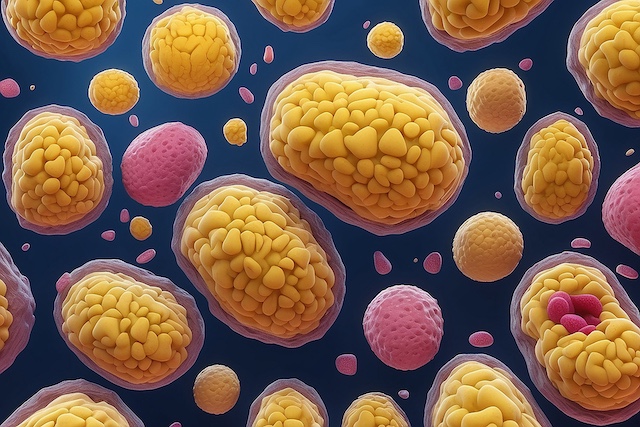
Immune Cells May Keep a Biological Memory of Obesity
Key Takeaways:
- Mice lacking a protein called CWC22 in their fat tissue immune cells struggled to lose weight on a reduced-fat diet.
- Over half of the obesity-related genetic changes in these cells persisted after weight loss, suggesting a biological “memory” of obesity.
- Correcting one of those changes restored normal cell function and helped the mice shed fat again.
Why weight loss can become harder after obesity
According to the World Health Organization, one in eight people worldwide lives with obesity. Yet despite the volume of health education programmes, books, articles and treatments available, many people continue to find weight loss extremely difficult once obesity has developed. Precisely why the body resists losing weight, and why lost weight is so often regained, remains a complex puzzle for researchers.
A new study published in the journal Science Translational Medicine may offer part of the answer. The research points to changes in a particular type of immune cell known as an adipose tissue macrophage (ATM). In mice, these changes appeared to make weight loss harder, because the cells seem to carry a biological “memory” of obesity that outlasts the obesity itself.
What the researchers did
Researchers from several institutions across Japan set out to study ATMs directly. These immune cells help regulate fat tissue health in a number of ways, one of the most important being the safe removal of dying cells from the tissue.
The team fed laboratory mice a high-fat diet for 12 weeks until the animals developed obesity, then switched them to a low-fat diet for a further six weeks. When they compared the animals, they noticed a pattern: the mice that lost the least weight after the dietary switch had lower levels of a protein called CWC22 in the nucleus of their ATM cells. This suggested that CWC22 might play a role in helping the body shed weight.
To test that idea, the researchers genetically modified a group of mice so that they lacked the CWC22 gene in a group of immune cells that includes macrophages. Under normal circumstances, CWC22 helps cells splice messenger RNA, the editing process that RNA undergoes before it is used as a template to make proteins.
A clean-up failure in fat tissue
When the modified mice were placed on a weight-loss diet, they struggled to shed fat. Their ATMs could not clear away dead cells effectively, and as a result dead cells accumulated in the fat tissue.
Closer analysis of these immune cells revealed the mechanism. The absence of the Cwc22 gene caused a splicing error involving a gene called Scarb1. Because of that error, the macrophages destroyed their own clean-up receptors before those receptors could reach the cell surface, leaving the cells without the tools they needed to do their job.
The knock-on effect involved a chemical messenger. Because the macrophages were less able to clear dead cells, they released less inosine. Inosine normally acts as a signal instructing fat cells to break down their stored fat, so with less of it available, fat breakdown was impaired.
A memory that persists after weight loss
Perhaps the most striking finding concerned how long these changes lasted. The research team found that 51.9% of the genes showing obesity-induced RNA splicing changes in these immune cells remained altered even after the animals had lost weight.
In other words, the immune cells retained a biological record of the period of obesity, including alterations that continued to impair their normal clean-up duties long after the diet had changed.
“These findings reveal that aberrant alternative splicing in macrophages underlies resistance to postobesity weight loss,” commented the study authors in their paper.
Rewriting the memory
Encouragingly, at least one component of that memory appears to be reversible. When the scientists corrected the Scarb1 splicing error using a synthetic genetic patch, the clean-up receptors were restored. This in turn increased the amount of inosine available and helped the mice to lose fat once again.
“Our study suggests that specific alternative splicing events can shape macrophage phenotypes under defined environmental conditions.”
What this could mean for people living with obesity
The findings may eventually help inform treatments for people who struggle to lose weight after developing obesity. When the team analysed human tissue samples, they found abundant CWC22 in the nuclei of immune cells taken from people who were lean, but reduced levels in samples from people living with obesity. That parallel between the mouse and human findings is what makes the work potentially translatable.
It is worth keeping the limitations in view. The functional experiments were carried out in mice, and the human element of the study was limited to tissue analysis rather than any test of treatment. No synthetic genetic patch has been trialled in people, and there is a considerable distance between correcting a splicing error in a mouse model and offering a therapy in clinical practice.
Even so, the study adds to a growing body of evidence that weight regain is not simply a matter of behaviour or willpower. Biological adaptations in fat tissue, appetite regulation and now immune cell function all appear to work against sustained weight loss. Clinicians who want to explore these mechanisms and their practical implications in more depth may find it useful to look at structured CPD, such as the College of Contemporary Health’s Obesity Essentials short course, which covers the biological, clinical and behavioural drivers of obesity and weight management.
For people living with obesity, findings like these carry a useful message: the difficulty of maintaining weight loss has measurable biological underpinnings, and understanding them may in time lead to better-targeted support.
CCH insight
Understanding why the body resists weight loss is central to supporting people living with obesity well. Our Obesity Essentials CPD short course explores the physiology, clinical management and behavioural dimensions of obesity, giving healthcare professionals a grounded, evidence-informed basis for the conversations they have every day.
Read More
Genetics May Help Explain Why GLP-1 Weight-Loss Drugs Work Better for Some People Than Others
Key Takeaways:
- Researchers have identified two genetic variants that may help explain why people respond differently to GLP-1 weight-loss medications such as Wegovy and Mounjaro.
- One genetic variant was linked to slightly greater weight loss, while another appeared to increase the likelihood of nausea and vomiting in people taking tirzepatide.
- Experts say the findings are important for understanding treatment variability, but non-genetic factors such as sex, medication type, dosage and treatment duration still appear to play a much larger role.
Genetic differences may help explain variable responses to GLP-1 weight-loss drugs
Scientists have uncovered new evidence suggesting that genetics may partly explain why GLP-1 weight-loss medications produce very different results from one person to another.
The research, published in Nature, examined how specific genetic differences may influence both weight-loss outcomes and the risk of side-effects in people taking glucagon-like peptide-1 receptor agonists, commonly known as GLP-1 drugs.
The findings could eventually contribute to more personalised approaches to obesity treatment, where therapies are selected based on an individual’s biological profile. However, researchers and independent experts stressed that the genetic effects identified in the study were relatively modest and are not yet strong enough to guide routine clinical decisions.
GLP-1 medicines and their growing role in obesity care
GLP-1 receptor agonists, including semaglutide, sold under the brand name Wegovy, and tirzepatide, marketed as Mounjaro, mimic naturally occurring gut hormones involved in regulating appetite, digestion and insulin release.
These medicines have transformed obesity treatment in recent years and are now used by millions of people globally. By helping reduce appetite and slow gastric emptying, they can support significant weight loss in many individuals.
However, clinical experience and research have consistently shown substantial variation in treatment response. Some people lose large amounts of weight, while others experience more limited benefits. Similarly, side-effects such as nausea and vomiting can vary considerably between individuals.
Until now, the biological reasons behind these differences have remained poorly understood.
Large genetic analysis involving nearly 28,000 people
To investigate the issue, researchers from 23andMe and a nonprofit medical research institute analysed data from 27,885 people taking GLP-1 medications.
The study focused on variations in genes linked to gut hormone pathways that regulate appetite and digestion.
Researchers identified one GLP1 receptor variant, known as rs10305420, that was associated with slightly greater weight loss among people carrying the variant compared with those who did not carry it.
A second genetic variant, rs1800437, was linked to a greater likelihood of nausea and vomiting in people taking tirzepatide. However, this variant was not associated with the amount of weight lost.
The findings suggest that inherited genetic differences may contribute to how people respond to GLP-1 therapies, both in terms of effectiveness and tolerability.
Genetics appears to play only a modest role
Despite the findings, researchers emphasised that the overall contribution of genetics appeared relatively small.
Marie Spreckley, an obesity expert at the University of Cambridge who was not involved in the study, said the research offered biologically plausible evidence that genetic variation may influence treatment outcomes.
“However, the magnitude of these genetic effects is small in clinical terms,” she said. “Importantly, non-genetic factors such as sex, drug type, dose and duration appear to explain a substantially larger proportion of variability. The authors’ model suggests that most of the explained variance comes from these factors, with genetics adding only a modest incremental contribution.
“In terms of how this fits with the wider evidence, it reinforces that while there is substantial variability in response to GLP1 therapies, genetics is only one part of a much more complex picture. Behavioural, clinical and treatment-related factors remain the dominant drivers of outcomes.
“Overall, this is an important step toward understanding variability and the potential for future precision approaches, but the effects are modest and the evidence is not yet sufficient to support using genetic information to guide treatment decisions in routine clinical practice.”
Toward more personalised obesity treatment
The findings contribute to a growing body of research exploring precision medicine approaches in obesity care.
As scientists continue to investigate why individuals respond differently to treatments, future obesity management may increasingly incorporate biological, behavioural and clinical information to tailor therapies more effectively.
However, experts caution that current evidence does not support the use of genetic testing to determine which GLP-1 medication a person should receive.
Instead, the study primarily advances understanding of the complex biological factors that may influence treatment response, while reinforcing that genetics represents only one piece of a much larger puzzle involving lifestyle, clinical characteristics and medication-related factors.
Read More
Obesity Leaves a Lasting Imprint on the Immune System, Study Finds
Key Takeaways:
- Immune cells in people living with obesity can retain a long-term “memory” of excess weight through epigenetic changes
- This “obesity memory” may persist for 5–10 years after weight loss and could prolong disease risk
- Sustained weight management may gradually reverse these effects, with potential for targeted therapies to accelerate the process
A long-term immune memory of obesity
People living with obesity may carry a lasting biological imprint of excess weight within their immune system, even after successful weight loss. A 10-year study published in EMBO Reports suggests that key immune cells retain a “memory” of obesity, potentially extending the risk of related health conditions for years.
The research, led by Professor Claudio Mauro at the University of Birmingham and supported by the National Institute for Health and Care Research Biomedical Research Centre in Birmingham, focused on helper T cells, also known as CD4+ lymphocytes. These cells play a central role in coordinating immune responses.
The findings indicate that these immune cells undergo lasting changes that continue to influence how the body regulates inflammation and maintains immune balance long after weight has been reduced.
DNA methylation and the “tagging” process
At the centre of this phenomenon is DNA methylation, a biological process in which chemical markers attach to DNA and alter gene activity without changing the underlying genetic code.
In people living with obesity, this “tagging” process appears to leave a durable imprint on helper T cells. These markers can persist for an extended period, with the study suggesting a timeframe of approximately 5–10 years after weight loss.
This sustained epigenetic modification may disrupt normal immune functions, including the removal of cellular waste and the regulation of immune ageing.
As a result, even individuals who return to a clinically healthy weight may continue to experience altered immune function for several years.
Implications for long-term disease risk
The persistence of this immune “memory” may help explain why the risk of certain conditions associated with obesity does not immediately resolve following weight loss.
Professor Claudio Mauro, co-lead author of the study, explained:
“The findings suggest that short-term weight loss may not immediately reduce the risk of some disease conditions associated with obesity, including type 2 diabetes and some cancers.”
He added:
“Instead, ongoing weight management following loss will see the ‘obesity memory’ slowly fade. This may take several years of sustained weight loss maintenance, likely 5–10 years, though this requires further study, to fully reverse the effects of obesity on T cells.”
The study highlights that long-term weight maintenance, rather than short-term weight loss alone, may be critical for reducing risk over time.
Study design and participant groups
To build a comprehensive understanding of how obesity affects immune cells, researchers analysed samples from multiple human cohorts and experimental models.
These included:
- Blood samples from people living with obesity who received weight loss injections
- Individuals with Alström Syndrome, a rare genetic condition characterised by early-onset childhood obesity, alongside matched healthy controls
- Participants undergoing a 10-week exercise intervention, with blood and fat tissue collected
- People with either a healthy weight or obesity undergoing hip or knee replacement surgery due to osteoarthritis
In addition, the team examined:
- Mouse models fed a high-fat diet
- Blood samples from healthy human volunteers
These diverse data sources enabled researchers to investigate both real-world and mechanistic aspects of immune dysregulation in obesity.
Disrupted cellular processes: autophagy and immune ageing
The study identified two key biological pathways affected by obesity-related DNA tagging:
Autophagy
Autophagy is a cellular “clean-up” process in which cells break down and recycle damaged components. The obesity-related epigenetic changes appear to impair this process, potentially leading to an accumulation of cellular waste.
Immune senescence
Immune senescence refers to the ageing of the immune system. The research suggests that obesity-associated changes may accelerate or dysregulate this process, altering how immune cells respond over time.
Together, these disruptions may contribute to prolonged inflammation and impaired immune function.
Potential for targeted therapies
Beyond identifying the problem, the research also points towards potential therapeutic strategies.
Professor Mauro noted:
“Additionally, our study suggests potential therapeutic opportunities to expedite this process, such as repurposing drugs like SGLT2 inhibitors, which have shown promise in reducing inflammation and promoting immune-mediated clearance of senescent cells in obesity.”
Such approaches could complement existing weight loss interventions by addressing the underlying immune alterations that persist after weight reduction.
A molecular record of metabolic history
Dr Belinda Nedjai, senior author from the Wolfson Institute of Population Health at Queen Mary University London, emphasised the broader significance of the findings:
“Our findings show that obesity is associated with durable epigenetic modifications that influence immune cell behaviour. This suggests that the immune system retains a molecular record of past metabolic exposures, which may have implications for long-term disease risk and recovery.”
This concept of a “molecular record” reinforces the idea that the body’s response to obesity is not easily reversed, even when weight is reduced.
Understanding obesity as a chronic disease
Professor Andy Hogan of Maynooth University highlighted how these findings align with the understanding of obesity as a chronic condition:
“We know obesity is a chronic progressive and relapsing disease and our findings provide further understanding of exactly what are the molecular mechanisms potentially driving the risk of relapsing and highlight the challenges facing people living with obesity to successfully manage their weight.”
The research underscores the biological complexity of obesity and the challenges individuals face in achieving and maintaining long-term health improvements.
Looking ahead
Delivered through the NIHR Biomedical Research Centre in Birmingham, this study contributes to a growing body of evidence that obesity leaves lasting effects on the body at a molecular level.
Future research will aim to refine understanding of how these epigenetic changes can be reversed and how targeted treatments might accelerate recovery of normal immune function.
In the meantime, the findings highlight the importance of sustained weight management and long-term support for people living with obesity, rather than a sole focus on short-term weight loss.
Helping patients hold on to those gains over the long term – and navigate the setbacks a relapsing condition brings – is the focus of professional training such as the College of Contemporary Health’s Behaviour Change Skills: Applying CBT in Practice, a CPD-accredited online short course.
CCH insights:
This study provides further support for the characterisation of obesity as a chronic relapsing disease. Clinically significant weight loss is just the first step in obesity treatment – the challenge is to then maintain the weight loss so that health improvements are sustained, despite the biological memory of obesity promoting weight regain. Whether this memory reduces over time will have major implications for long-term obesity care in the future will have major implications for long-term obesity care in the future. Because sustaining weight loss is where obesity care so often succeeds or fails, CCH’s Behaviour Change Skills: Applying CBT in Practice CPD short course (2 CPD hours, fully online, CPD-accredited) equips healthcare professionals with cognitive and behavioural techniques to help patients maintain progress, handle setbacks and make change stick.
Explore Behaviour Change Skills: Applying CBT in Practice →
Source: University of Birmingham

Genetic Risk Scores Offer Improved Prediction of Obesity, Type 2 Diabetes and Long-Term Health Outcomes
Key Takeaways:
- A new polygenic risk score integrates genetic data from over 8.5 million people to better predict obesity and type 2 diabetes risk
- The model goes beyond traditional measures such as body mass index by incorporating multiple aspects of metabolic function
- Individuals with higher genetic risk were more likely to develop complications and require interventions such as GLP-1 therapy or bariatric surgery
A more comprehensive approach to metabolic risk
Obesity and type 2 diabetes are complex metabolic conditions influenced by a combination of environmental, behavioural and genetic factors. While traditional clinical measures such as body mass index have long been used to assess risk, they do not fully capture the biological complexity underlying these conditions.
In a new study published in Cell Metabolism, researchers from Mass General Brigham have developed an advanced polygenic risk score designed to improve prediction of both obesity and type 2 diabetes, as well as their long-term health consequences. Polygenic risk scores work by aggregating the effects of many genetic variants across the genome, providing an estimate of an individual’s predisposition to developing a given condition.
“Our intention was to not only capture the risk of being diagnosed with obesity or diabetes, but also to better predict health consequences across the life course by integrating many aspects of metabolic function,” said co-first author Min Seo Kim, MD, MSc. “In the future, this genomic approach could complement established clinical risk factors to inform patient care and preventative strategies.”
Building a next-generation polygenic risk score
The research team constructed two distinct metabolic risk scores – one optimised for obesity and another for type 2 diabetes. Unlike conventional models, these scores incorporate genetic signals linked to 20 different traits associated with metabolic health. These include factors such as fat distribution, insulin regulation and glucose control.
To build these models, the investigators drew on genome-wide association studies conducted across some of the largest biobank datasets globally, encompassing more than 8.5 million individuals. This scale allowed the researchers to capture a broad and diverse range of genetic influences.
Importantly, the model moves beyond reliance on body mass index alone, reflecting a growing recognition that metabolic health cannot be fully understood through weight-based measures in isolation.
Predicting disease progression and clinical outcomes
Beyond predicting the likelihood of developing obesity or type 2 diabetes, the new polygenic risk scores demonstrated the ability to forecast downstream health outcomes.
The researchers found that individuals identified as high risk were more likely to go on to develop complications such as cardiovascular disease and stroke. Even among people who were initially healthy, those with a high genetic risk score were approximately twice as likely to require clinical interventions over time.
Specifically, individuals with higher polygenic risk scores were about twice as likely to receive GLP-1 receptor agonist medications or undergo bariatric surgery compared with those with average risk scores, over a median follow-up period of 5.5 years.
These findings suggest that genetic profiling could help identify people at risk earlier in the disease trajectory, potentially enabling more proactive and targeted care.
Improved performance across diverse populations
A notable strength of the study lies in its use of multi-ancestry genetic data. By incorporating genome-wide association studies from a wide range of populations, including African, East Asian, South Asian and Middle Eastern groups, the researchers were able to develop risk scores that performed better across diverse populations than earlier models.
Historically, many genetic prediction tools have been less accurate in non-European populations due to limited representation in genomic datasets. This study represents a step towards addressing that imbalance and improving equity in precision medicine.
Towards more personalised prevention and treatment
The research team emphasises that this work is part of a broader effort to refine understanding of the genetic subtypes of obesity and type 2 diabetes. Improved classification of these conditions could support more precise patient stratification in clinical trials and, ultimately, more tailored interventions in routine care.
“We want clinicians to be able to think about metabolic conditions in terms beyond body mass index, with a focus more broadly on underlying genetic susceptibility,” said co-senior author Akl Fahed, MD, MPH, of the Cardiovascular Research Center at Massachusetts General Hospital and an interventional cardiologist with the Mass General Brigham Heart and Vascular Institute. “Early identification of people who are likely to have a worse trajectory of poor metabolic health, before they even develop these conditions, can help us improve prevention and clinical interventions. That is how we can cure disease, and that is the bold mission that we are after.”
Implications for clinical practice
While further validation and implementation work will be required, the findings highlight the potential role of genomic tools in enhancing current approaches to metabolic disease prevention and management. By complementing existing clinical risk factors, polygenic risk scores could support earlier identification of people at risk and enable more personalised, proactive care pathways.
As healthcare systems increasingly move towards precision medicine, integrating genetic insights with clinical decision-making may become an important step in improving outcomes for people living with obesity and type 2 diabetes.
CCH insights:
This is exciting research, and a big step towards precision obesity prevention, as it gives us an individual risk score for obesity and diabetes for each patient. However, it is only half the story – ideally we’d also like to be able to determine what type of interventions will work best for each individual (in terms of diet, lifestyle and medicine) in order to optimise their chances of good metabolic health and achieving a healthy weight. Hopefully the ability to do this is not too far away.
Read More
Genetic Links Between Obesity and Autoimmune Diseases Identified in Large European Study
Key Takeaways:
- Large-scale genetic analyses have identified a substantial shared genetic basis between obesity and several autoimmune disorders in people of European ancestry.
- Dozens of shared genetic loci and genes appear to influence both body weight regulation and immune system function, particularly pathways involved in immune homeostasis.
- The findings suggest potential causal links between obesity and certain autoimmune conditions, with implications for future therapeutic strategies.
Overview of the study
A recent study published in the Journal of Translational Medicine has identified important genetic links between obesity and autoimmune disorders, shedding new light on why these conditions often co-occur. The research, led by Jiang and colleagues, focused on individuals of European ancestry and used large-scale genomic datasets to explore how shared genetic factors may influence both excess body weight and immune-mediated disease.
Obesity and autoimmune disorders represent a significant comorbidity burden, yet until now their shared genetic architecture has remained poorly understood. By applying advanced cross-trait genome-wide association study (GWAS) methods, the researchers aimed to uncover pleiotropic genetic variants – genes or loci that influence more than one trait – that may contribute to both conditions.
Study methods and analytical approach
The researchers conducted a comprehensive cross-trait analysis using GWAS summary data for obesity and 17 autoimmune diseases. Genetic correlations between traits were assessed using LD score regression and high-definition likelihood methods, allowing the team to quantify the extent to which obesity and autoimmune conditions share inherited risk.
To identify specific shared genetic loci, the team employed Stratified Pleiotropic Locus Mapping (PLACO), followed by Bayesian colocalization analyses to confirm whether obesity and autoimmune diseases truly shared the same causal genetic variants. Further analyses examined gene-level effects and tissue-specific heritability, while potential drug targets were prioritised using summary-based Mendelian randomisation (SMR).
In addition, immune co-localization techniques and bidirectional Mendelian randomisation were used to explore immunological mechanisms and to clarify potential causal relationships between obesity and autoimmune diseases.
Key genetic findings
The analysis identified eight autoimmune diseases with significant genetic correlations to obesity. In total, researchers discovered 10,324 pleiotropic single-nucleotide polymorphisms (SNPs), which mapped to 52 independent risk loci. Of these, nine loci were confirmed as shared causal variants through colocalization analysis.
Gene-level investigations revealed 133 unique pleiotropic genes. Notably, genes such as CLN3, SH2B1, and MMEL1 were highlighted and found to be enriched in biological pathways related to hematopoietic cell differentiation and immune homeostasis. These pathways are central to both metabolic regulation and immune function, reinforcing the biological plausibility of a shared genetic basis.
Tissue and immune cell involvement
Tissue-specific heritability analyses showed that shared genetic effects were most prominent in immune-related tissues, particularly the spleen, whole blood, and Epstein–Barr virus (EBV)-transformed lymphocytes. This finding further supports the role of immune system regulation in the overlap between obesity and autoimmune disease risk.
Immune co-localization analyses implicated six traits related to IgD+ CD38− B cell subsets as key pathological conduits. These immune cells may represent an important link between metabolic dysfunction and autoimmune processes.
Evidence of causal relationships
Using bidirectional Mendelian randomisation, the study provided evidence that obesity may play a causal role in the development of certain autoimmune conditions, including hypothyroidism, psoriasis, and multiple sclerosis. Conversely, an inverse causal association was observed between type 1 diabetes and obesity risk, suggesting a more complex and condition-specific relationship.
Implications and conclusions
In their conclusions, the authors state:
“This study demonstrates a robust shared genetic foundation between obesity and multiple autoimmune diseases, pinpointing specific pleiotropic loci, genes, and immune cell subsets.”
By identifying shared genetic mechanisms, the research provides a clearer mechanistic framework for understanding why obesity and autoimmune disorders frequently coexist. Importantly, these findings also highlight potential molecular and immunological targets for future therapeutic intervention, with the potential to address both metabolic and autoimmune disease pathways simultaneously.
Overall, the study represents a significant step forward in understanding the complex interplay between body weight regulation and immune system dysfunction, and it opens new avenues for research into integrated prevention and treatment strategies.
Read More