

Study Highlights Benefits and Limits of Generative AI in Weight Management
Key Takeaways:
- A short field experiment suggests that generative AI can support modest reductions in weight and body mass index through personalised dietary feedback.
- Private use of AI tools appears more effective than public sharing, with public analysis associated with higher dropout rates.
- People with lower levels of nutritional knowledge benefited most, indicating potential for AI to help reduce health inequalities, although it does not replicate the value of human community support.
Introduction
Nearly three-quarters of adults in the United States are living with overweight or obesity, and prevalence continues to rise globally. As a result, demand for high-cost interventions such as bariatric surgery and glucagon-like peptide-1 medications has increased, placing significant financial pressure on health care systems.
A new working paper suggests that generative artificial intelligence may offer a low-cost way to support people with weight loss by helping them make more informed dietary choices. However, the research also indicates that AI tools do not replicate the benefits of community-based programmes where people can share experiences and openly discuss the physical and psychological challenges associated with obesity.
The study was conducted by Catherine Tucker, Professor of Marketing at MIT Sloan School of Management, and Linyi Li of Singapore Management University. They followed 416 adult participants of varying ages over a three-week period in late 2024.
Study design and intervention
The researchers partnered with an Asia-based Fortune 500 company that runs an online weight loss boot camp combining guidance on healthy eating and physical activity. The programme included a group chat function using WeChat, enabling participants to interact, share experiences and support one another.
Participants were divided into three groups to assess the impact of a generative AI tool designed to analyse meals. The tool evaluated the nutritional content of food based on photographs and provided real-time, personalised suggestions such as adding more vegetables or choosing leaner protein sources.
The three groups were structured as follows:
- Group 1 – control group: Participants received general healthy-diet tips and access to the group chat but did not use the AI food-analysis tool.
- Group 2 – private analysis group: Participants sent photos of their meals privately to an administrator and received personalised AI-generated nutrition reports.
- Group 3 – public analysis group: Participants shared meal photos within the group chat, where both the images and the AI-generated nutrition reports were visible to all group members.
Finding 1 – Generative AI supported weight loss
Compared with the control group, both groups that used the AI food-analysis tool showed higher engagement with the programme, greater weight loss and larger reductions in body mass index.
On average, participants in Group 1 lost 0.966 kg over the three-week period. Those in Group 2 lost 1.426 kg, while participants in Group 3 lost 1.358 kg.
Although the absolute numbers were modest, Tucker emphasised their significance given the short duration of the intervention.
“Weight loss is such a big challenge. If it were easy for us all to lose weight, we’d just lose weight,” Tucker said. “The fact that a digital tool such as AI can have any effect is wonderful because interventions such as surgery or injectables are expensive. This is evidence of the cost efficacy of a very small intervention in terms of changing behavior.”
According to Tucker, the results highlight the value of generative AI in personalising individual experiences by offering tailored feedback, practical knowledge and guidance on day-to-day dietary decisions.
Finding 2 – Public analysis reduced participation
The way in which the AI tool was used had a clear impact on engagement. Participants with private access to the food-analysis tool were significantly more likely to remain in the programme for the full three weeks.
In contrast, Group 3, where meal photos and AI feedback were shared publicly, had the highest dropout rate. Tucker suggested that some participants may have felt discouraged by seeing highly engaged or high-performing peers, leading to disengagement.
“Dropout is the big enemy of weight loss,” Tucker said. “A likely explanation [for dropouts in Group 3] is that staying in the group introduced pressure [when] consistently reporting less-favorable statistics compared to others.”
The findings suggest that making AI-generated feedback public may alienate some individuals and reduce sustained participation. Community-based programmes such as Weight Watchers have historically succeeded by fostering mutual support during both successful and challenging periods.
As Tucker noted,
“There’s a set of people there to support you through good or bad weeks. I think what we are demonstrating is that if you make it too easy to post success stories, then you lose some of that [shared] vulnerability within the community.”
Finding 3 – Potential to reduce health inequalities
The researchers also found that the greatest benefits from the AI tool were seen among participants with lower levels of education and less prior nutritional knowledge. These individuals often struggle to interpret standard weight loss advice and appeared to gain particular value from detailed, personalised recommendations generated by the AI system.
The authors suggest that this capability could help reduce health inequalities by improving access to understandable, tailored dietary guidance for people who may otherwise be disadvantaged by traditional educational approaches.
Implications for the use of AI in health behaviour change
Although the study focused specifically on weight loss, the authors argue that the findings have broader relevance for how people interact with AI systems. Generative AI appears well suited to supporting individual behaviour change through personalisation, prompts and reminders. However, it does not replicate the social connection and emotional support provided by human communities.
For organisations and programme designers, the research suggests that AI should be used to enhance individual-level support rather than as a replacement for community-building or large-scale digital ecosystems.
Although the research was conducted in China, Tucker stated that the findings are likely to be applicable in other settings.
“I think what our research shows is that in the generative AI age, technology can certainly assist with information retrieval, reminders, prompts, all those good things, but we can’t really use it to replace that sense of community,” Tucker said.
Read More
More Than One in Four Adults Worldwide May Be Eligible for GLP-1 Weight-Loss Medicines, Global Analysis Suggests
Key Takeaways:
- More than 27 percent of adults globally may be eligible for GLP-1 receptor agonists for weight management, based on pooled data from 99 countries.
- Eligibility is highest among women, older adults, and people living in low- and middle-income countries, raising significant questions around access and health equity.
- Researchers emphasise that medicines alone are not sufficient, and sustained investment in prevention and non-pharmacological obesity care remains essential.
A growing global obesity challenge
The worldwide prevalence of obesity has more than doubled over the past three decades, accompanied by sharp rises in weight-related conditions such as type 2 diabetes, cardiovascular disease, and several cancers. This escalating public health challenge places increasing strain on healthcare systems and national economies across the globe.
Against this backdrop, a new international study suggests that glucagon-like peptide-1 receptor agonists, commonly referred to as GLP-1 medications, could play a substantial role in addressing obesity and its related complications at scale. The analysis was co-led by investigators from Mass General Brigham and aimed to estimate how many adults worldwide might benefit from these medicines.
Large-scale global data analysis
Researchers from Mass General Brigham collaborated with colleagues at Washington University School of Medicine in St. Louis and Emory University’s Rollins School of Public Health to pool household health survey data from 99 countries, collected between 2008 and 2021.
The final dataset included 810,635 adults aged 25 to 64 years, selected based on the availability of key clinical measures, including:
- Body mass index
- Blood pressure
- Diabetes biomarkers
- Diagnostic history of hypertension and diabetes
Eligibility for GLP-1 treatment was defined using established clinical thresholds. Adults were considered eligible if they had:
- A BMI greater than 30, or
- A BMI greater than 27 in the presence of hypertension, diabetes, or both
One in four adults eligible worldwide
Using these criteria, the researchers found that 27 percent of adults globally would be eligible for GLP-1 medications for weight management. Notably, around four-fifths of eligible individuals lived in low- and middle-income countries, highlighting a potential mismatch between need and access.
Eligibility varied substantially by region:
- Europe and North America showed the highest rates at 42.8 percent
- The Pacific Islands followed closely at 41.0 percent
Differences were also observed across demographic groups:
- Women were more likely to be eligible than men, at 28.5 percent versus lower rates among men
- Older adults showed markedly higher eligibility at 38.3 percent, compared with 17.9 percent among younger adults
The findings were published as a research letter in The Lancet Diabetes & Endocrinology.
Rethinking obesity through biology
Commenting on the findings, co-senior author Jennifer Manne-Goehler, MD, ScD, a physician at Brigham and Women’s Hospital and Mass General Brigham, highlighted the paradigm shift represented by GLP-1 therapies.
“There has never been such a potentially transformational and scalable tool for obesity, type 2 diabetes, and other health-related complications of obesity.”
She also reflected on the historical framing of obesity as a personal failing rather than a biologically driven disease.
“For so many decades, we told everyone the problem was you – you need to move more and eat less, then you will not struggle with this problem. GLP-1 receptor agonists have allowed us to really understand that biology is much more powerful than that, and ‘eat less, move more’ is just an oversimplified way to think about things.”
Global interest meets practical constraints
The potential of GLP-1 medicines has already been recognised by the World Health Organization, which is actively exploring ways to make these treatments more widely available as standard therapies. However, translating this promise into real-world impact depends on understanding the scale of need and addressing significant barriers to access.
Corresponding author Sang Gune K. Yoo, MD, who conducted the work while a research fellow in cardiology at Washington University School of Medicine, noted that the findings were consistent with global obesity trends.
“Given the steadily increasing prevalence of obesity, it is not surprising that our analysis found that more than one quarter of adults around the world may be eligible for this medication.”
He cautioned, however, that important questions remain unanswered.
“This medication has the potential to help many individuals, although further research is needed to better understand its long-term safety and sustainability. Access remains a major challenge as these medications are difficult to obtain in many settings. Most importantly, we must continue to invest in and develop effective non-pharmacological strategies for the prevention and treatment of obesity, an area where substantial gaps remain.”
Equity at the centre of global implementation
The study also underscores profound equity considerations. Eligibility was disproportionately high among women and people living in regions with limited healthcare resources.
Manne-Goehler highlighted the urgency of addressing these disparities.
“These socioeconomic and gender eligibility percentiles are especially staggering. As of last year, type 2 diabetes was the top cause of death for women in South Africa. There are parts of the world where women can really benefit from these medicines, and it is our job to see through their implementation.”
Co-lead author Felix Teufel, MD, from Emory University’s Rollins School of Public Health, framed access to GLP-1 therapies as a broader ethical issue.
“Global access to GLP-1s is a question of health equity. The goal is to ensure large-scale access for people who would benefit most – not just those easiest to reach.”
Beyond medicines alone
While the findings point to a potentially transformative role for GLP-1 medications in global obesity care, the authors stress that pharmacological approaches cannot replace comprehensive prevention and treatment strategies. Addressing obesity at scale will continue to require sustained investment in public health, supportive environments, and evidence-based, non-pharmacological interventions alongside new medical therapies.
CCH insight:
This study reminds us of the scale of the obesity pandemic. There are more than 1 billion people estimated to be living with obesity, according to the World Health Organisation – most of whom could in theory benefit from GLP-1 medications. The priority should be to provide access for those who are in greatest need, rather than those who can afford to pay for them. The development of oral GLP-1s is a big step, as this will increase access and bring prices down, but there is a very long way to go.
Read More
GLP-1 Weight-Loss Medications Linked to Fewer Severe Asthma Attacks in Adolescents with Excess Weight
Key Takeaways:
- Adolescents with excess weight and asthma who were prescribed GLP-1 medications experienced around half as many asthma-related emergency room visits over one year compared with peers not taking these drugs.
- Use of GLP-1 therapies was also associated with reduced reliance on steroids and rescue inhalers, suggesting improved asthma control.
- Researchers suggest these medicines may offer a dual benefit, supporting weight management while lowering the risk of asthma exacerbations in this population.
Study suggests dual benefit for weight and asthma control
Severe asthma attacks among adolescents with excess weight may be significantly reduced with the use of newer weight-loss medications such as Ozempic and Zepbound, according to a new observational study.
The research found that emergency room visits for asthma were cut by more than half among teenagers who were prescribed a glucagon-like peptide-1 (GLP-1) receptor agonist. The findings were reported on 29 December in JAMA Network Open.
“Our findings suggest a potential dual benefit for this population, where a single class of medication could address both weight management and lower risk for asthma exacerbation, thereby potentially reducing the burden of two common and interconnected chronic conditions,” the researchers concluded.
The study was led by Dr Lin‑Shien Fu, chief of paediatric nephrology and immunology at Taichung Veterans General Hospital.
How the study was conducted
Researchers followed 1,070 adolescents aged 12 to 18 years who were living with excess weight and had a clinical diagnosis of asthma. Approximately half of the group had been prescribed a GLP-1 medication, while the remainder had not received a weight-loss drug.
GLP-1 receptor agonists mimic the naturally occurring GLP-1 hormone, which plays a role in regulating insulin and blood glucose levels. These medicines also reduce appetite and slow gastric emptying, contributing to weight loss.
Over a 12-month follow-up period, the researchers recorded:
- Eight asthma-related emergency department visits among adolescents taking a GLP-1 medication
- Nineteen asthma-related emergency visits among those not prescribed a weight-loss drug
Reduced need for asthma medications
In addition to fewer emergency visits, adolescents taking GLP-1 medications were less likely to require other treatments for asthma control.
The study found that:
- 21% of adolescents taking a GLP-1 medication required steroid treatment for asthma, compared with 31% of those not taking the drugs
- 32% of adolescents in the GLP-1 group needed a rescue inhaler, compared with 45% in the non-GLP-1 group
These differences suggest an overall reduction in asthma severity and symptom burden among those prescribed GLP-1 therapies.
Weight loss and inflammation may explain the findings
Experts not involved in the research say the observed improvements are likely linked to the degree of weight loss achieved with these newer medications.
Dr Michelle Katzow, medical director of the POWER Kids Weight Management Program and associate professor of paediatrics at Cohen Children’s Medical Center in New York City, commented on the findings in a news release.
“I think it is not surprising and not so new, except for the degree of weight loss that the drug induces is so much bigger in magnitude than we have seen before,” she said.
Dr Katzow explained that excess weight contributes to systemic inflammation, which can worsen asthma symptoms and increase the likelihood of exacerbations.
“The sort of inflammation associated with obesity predisposes somebody to having worse asthma or worse symptoms of asthma,” she said.
“If you can help people lose enough weight by whatever means, then you can improve their asthma severity.”
Implications for adolescents struggling with appetite control
Dr Katzow added that GLP-1 medications may be particularly helpful for adolescents who struggle to adopt healthy behaviours because of persistent hunger.
She noted that this is a common challenge among young people with excess weight.
“And that is true for a lot of kids,” she said. “They are just really hungry and they are thinking about food a lot. Trying to make healthier choices or eat less is really hard to do if you are hungry all the time.”
A cautious but promising signal
While the study does not establish a direct causal relationship, it adds to growing evidence that weight-loss interventions can have meaningful benefits beyond body weight alone. The findings suggest that, for some adolescents living with excess weight and asthma, GLP-1 receptor agonists may help reduce the frequency and severity of asthma exacerbations alongside supporting weight management.
Further research will be needed to confirm these findings and to better understand the long-term safety and clinical role of GLP-1 therapies in paediatric populations.
CCH insight:
The long list of benefits of GLP-1 therapy continues to grow. If obesity increases the risk of asthma, it is not surprising that GLP-1 therapy results in a reduction in hospital visits due to asthma. Further studies are needed to back up these results, and also to see if the same benefits are seen in adults, as well as adolescents.
Read More
Wegovy Oral Obesity Treatment Launches in US Pharmacies Following FDA Approval
Key Takeaways:
- The oral form of Wegovy has launched in pharmacies, with the starting dose available now and higher doses expected shortly.
- Clinical trial data show weight loss outcomes comparable to the injectable version when taken as prescribed alongside dietary and activity changes.
- Pricing varies significantly depending on dose and insurance coverage, with list prices matching the injectable formulation.
Oral Wegovy becomes available nationwide
The oral form of Wegovy launched on Monday, with the starting dose now available in pharmacies across the country. Higher doses are expected to arrive by the end of the week, according to reports accompanying the launch.
The pill was approved by the Food and Drug Administration on 22 December for the treatment of obesity. It is also approved to reduce the risk of heart attack and stroke in people who are living with obesity or who are overweight.
Building on the success of the injectable formulation
The launch of the pill follows the blockbuster success of Novo Nordisk’s injectable Wegovy, which has been available since 2021. Demand for the injection was so high that it remained in short supply until February 2025.
Novo Nordisk has positioned the oral formulation as an alternative for people who prefer not to use injections, while maintaining similar clinical effectiveness.
Evidence from clinical trials
Clinical trial data suggest that the oral version of Wegovy delivers weight loss results comparable to the injectable form. In a study published in the New England Journal of Medicine, participants taking a 25 milligram Wegovy pill experienced an average weight reduction of 13.6% over 64 weeks. By comparison, participants receiving a placebo lost an average of 2.2% of their body weight.
Novo Nordisk estimates that people who remain on treatment, reduce their calorie intake and engage in regular physical activity could achieve an average weight reduction of 16.6%.
How the pill is taken and side effects
Unlike the injectable formulation, the Wegovy pill must be taken on an empty stomach. People are advised to wait at least 30 minutes before eating or drinking anything else to ensure the medicine is properly absorbed.
The most commonly reported side effects are similar to those seen with the injection and include nausea, diarrhoea and vomiting.
Pricing and insurance coverage
When Novo Nordisk announced a drug pricing agreement with the Trump administration in November, the company stated that it would offer the obesity pill for $149 per month to people not using health insurance. This price applies only to the starting dose purchased directly by consumers. Higher doses will be priced at $299 per month under the same arrangement.
The list price, which is used to determine insurance coverage, is set at $1,349 per month. This matches the list price of the injectable Wegovy.
Insurance coverage for obesity medications became more restrictive in 2025, according to an analysis from GoodRx, a website that helps people find discounts on prescription medicines. Novo Nordisk has said that people with insurance coverage may be able to access the Wegovy pill for as little as $25 per month.
How Wegovy compares with other oral GLP-1 medicines
Although the Wegovy pill is the first oral obesity treatment of its kind to receive FDA approval, Novo Nordisk already markets an oral GLP-1 medicine for Type 2 diabetes called Rybelsus. Rybelsus contains the same active ingredient, semaglutide, but is prescribed at different doses and is not approved for obesity.
Competition in the oral obesity drug market may soon increase. Eli Lilly, the manufacturer of the Zepbound injection, applied to the FDA in late 2025 for approval of its own obesity pill. The agency granted the company a priority review voucher, with a regulatory decision expected as early as this year.
CCH insight:
Hopefully oral Wegovy will be available in the UK soon, and at a more affordable cost than the injectable version. And this will hopefully enable increased access to the drug on the NHS. The current, very limited availability of GLP-1 therapy on the NHS is costing the UK tax-payer, because the cost of treating the complications and consequences of obesity is much greater than the cost of treating obesity – GLP-1s not only lead to weight loss, they reduce the risk of diabetes, heart disease, kidney disease and possibly many other conditions.
Read More
GLP-1 Receptor Agonists Unlikely to Meaningfully Influence Obesity-Related Cancer Risk, Review Suggests
Key Takeaways:
- Evidence from randomised trials suggests GLP-1 receptor agonists are unlikely to meaningfully increase or reduce the risk of most obesity-related cancers.
- For several cancer types, including colorectal, liver and endometrial cancer, the certainty of evidence remains low due to limited follow-up.
- Researchers emphasise the need for longer-term studies with cancer-specific outcomes to fully understand potential risks or protective effects.
A comprehensive systematic review published online on 8 December in Annals of Internal Medicine suggests that glucagon-like peptide-1 receptor agonists, commonly known as GLP-1 RAs, have little or no effect on the risk of developing cancers associated with obesity.
The review was led by Albert Ko, MD, of the Harvard T.H. Chan School of Public Health in Boston, and examined data from randomised, placebo-controlled trials involving people treated with GLP-1 RAs for type 2 diabetes or overweight and obesity. While these medications have transformed metabolic care in recent years, concerns have persisted about their long-term safety, including potential cancer risk.
Scope and purpose of the review
GLP-1 receptor agonists are widely prescribed for glycaemic control and weight management, yet their association with cancer has remained uncertain. To address this gap, the researchers conducted a systematic review and meta-analysis to assess whether treatment with GLP-1 RAs is associated with an increased or reduced risk of obesity-related cancers.
The review focused on cancers known to have strong links with excess adiposity, including thyroid, pancreatic, colorectal, gastric, oesophageal, liver, gallbladder, breast, ovarian, endometrial and kidney cancers. It also included multiple myeloma and meningioma.
Data sources and study selection
The authors searched PubMed, Embase, Web of Science, Scopus and the Cochrane Central Register of Controlled Trials from database inception through to August 2025. Only randomised, placebo-controlled trials reporting at least one of the specified cancer outcomes were eligible for inclusion.
In total, 48 trials met the inclusion criteria, encompassing 94,245 participants. None of the trials had been specifically designed to evaluate cancer outcomes, and follow-up durations were generally short.
Methods and quality assessment
Risk of bias across the included trials was assessed using the Cochrane Risk of Bias 2 tool. The certainty of evidence for each outcome was evaluated using the GRADE framework, which considers factors such as study limitations, consistency of results and precision of estimates.
Pooled odds ratios were calculated using random-effects meta-analysis to account for variation between studies.
Main findings by cancer type
The analysis found that GLP-1 receptor agonists probably have little or no effect on the risk of several common obesity-related cancers, based on evidence of moderate certainty.
Specifically:
- Thyroid cancer showed no clear association with GLP-1 RA use, with an odds ratio of 1.37 (95% CI, 0.82 to 2.31), corresponding to between one fewer and nine more cases per 10,000 people treated.
- Pancreatic cancer risk was similarly unaffected, with an odds ratio of 0.84 (95% CI, 0.53 to 1.35), equating to nine fewer to six more cases per 10,000 people.
- Breast cancer showed an odds ratio of 0.95 (95% CI, 0.60 to 1.49), indicating no meaningful difference in risk.
- Kidney cancer also demonstrated no significant association, with an odds ratio of 1.12 (95% CI, 0.78 to 1.60).
For other cancers, including colorectal, oesophageal, liver, gallbladder, ovarian and endometrial cancer, as well as multiple myeloma and meningioma, the evidence suggested little or no effect. However, the certainty of this evidence was rated as low.
For gastric cancer, the findings were described as very uncertain, reflecting sparse data and wide confidence intervals.
Consistency across analyses
The results remained consistent across multiple sensitivity and subgroup analyses. These included analyses restricted to trials with a low risk of bias, studies involving newer agents such as semaglutide or tirzepatide, and comparisons across different follow-up durations, populations, GLP-1 RA classes, doses, weight-loss profiles and durations of action.
This consistency strengthens confidence that the observed lack of association is not driven by a specific drug, dose or patient group.
Limitations of the evidence
The authors highlight important limitations that temper the conclusions. Most notably, the included trials were not designed to detect cancer outcomes and generally had relatively short follow-up periods. As a result, rare cancers or effects that emerge only after prolonged exposure may not have been captured.
Implications and next steps
Summarising the findings, the authors conclude that GLP-1 receptor agonists “may have little or no effect on risk for obesity-related cancers,” while emphasising the need for further research. As they write, “These findings offer important insights into the safety of GLP-1 RAs but highlight the need for longer-term studies with cancer-specific end points to clarify potential risks or protective effects.”
For clinicians and people considering or already using GLP-1 receptor agonists, the review provides a degree of reassurance regarding cancer risk in the short to medium term. However, ongoing surveillance and dedicated long-term studies will be essential as use of these medications continues to expand globally.
Read More
Metabolic Bariatric Surgery Shows Greater Two-Year Weight Loss Than GLP-1 RAs
Key Takeaways:
- Metabolic bariatric surgery was associated with substantially greater and more durable weight loss over two years than treatment with GLP-1 receptor agonists in adults living with class II or III obesity.
- Overall health care costs over two years were lower for people who underwent surgery, largely due to the ongoing pharmacy costs associated with GLP-1 receptor agonist therapy.
- The findings underline the importance of multidisciplinary care, particularly for clinicians managing obesity-related conditions where sustained weight reduction is central to disease control.
Overview
A large retrospective, claims-based cohort study has found that metabolic bariatric surgery delivers greater long-term weight loss benefits and lower overall health care costs over two years compared with glucagon-like peptide-1 receptor agonists (GLP-1 RAs) in adults living with severe obesity. The analysis suggests that, in real-world clinical practice, surgical approaches may offer more durable outcomes than pharmacotherapy alone for this population.
Study design and data sources
This retrospective cohort study compared outcomes following metabolic bariatric surgery with those achieved using GLP-1 receptor agonist therapy for weight management. Surgical procedures included sleeve gastrectomy and gastric bypass. Pharmacological treatments included dulaglutide, exenatide, liraglutide, lixisenatide, semaglutide, and tirzepatide.
The analysis drew on data from the Highmark Health insurance claims database linked with electronic health records from the Allegheny Health Network. In total, 30,458 adults living with class II or III obesity were included. All individuals in the weight-loss analysis had a body mass index of at least 40 at the time of enrolment.
To minimise baseline differences between groups, the researchers used propensity score weighting to balance key characteristics, including body mass index, age, sex, comorbid conditions, and patterns of health care utilisation. Adjusted analyses then compared weight-loss trajectories, obesity-related comorbidities, and total health care costs over a two-year follow-up period.
Weight loss outcomes and durability
Of the total cohort, 14,101 people underwent metabolic bariatric surgery, with a mean follow-up of 34 months. A further 16,357 people were prescribed GLP-1 receptor agonists, with a mean follow-up of 32 months.
After two years, metabolic bariatric surgery was associated with markedly greater mean total weight loss than GLP-1 receptor agonist therapy, at 28.3 per cent compared with 10.3 per cent. Weight loss following surgery was also more durable. Ninety-six per cent of people in the surgical group achieved sustained weight loss of at least 10 per cent, compared with 46 per cent of those treated with GLP-1 receptor agonists.
In addition to superior weight outcomes, people who underwent metabolic surgery experienced fewer obesity-related comorbidities and lower health care utilisation across inpatient, outpatient, and emergency care settings.
Cost analysis
Over the two-year follow-up period, metabolic bariatric surgery was associated with significantly lower mean total health care costs than GLP-1 receptor agonist therapy. Average costs were reported as $51,794 for the surgical group compared with $63,483 for those receiving GLP-1 receptor agonists.
The higher costs observed in the pharmacotherapy group were largely driven by ongoing pharmacy expenses related to long-term GLP-1 receptor agonist use. While surgery involves a higher upfront cost, the findings suggest this is offset over time by reduced medication use and lower overall health care utilisation.
Study limitations
The authors note several important limitations. Weight data were available for only a small proportion of participants, comprising 9 per cent of the surgery group and 1.6 per cent of the GLP-1 receptor agonist group. This limits the generalisability of the weight-loss findings to the full cohort.
In addition, the indication for GLP-1 receptor agonist prescriptions was not always clear, meaning some individuals may have been treated primarily for diabetes rather than obesity. However, an obesity-only subgroup analysis restricted to people without a diabetes diagnosis produced similar results, supporting the robustness of the main findings.
Follow-up duration differed slightly between groups, and adherence to GLP-1 receptor agonist therapy was likely lower in this real-world setting than would be expected in a controlled clinical trial. Finally, the cost data reflect the United States health care system and may not be directly transferable to other countries or funding models.
Clinical relevance
For clinicians managing obesity-related complications, including ophthalmologists caring for people with obesity-associated eye disease such as idiopathic intracranial hypertension, these findings highlight the broader systemic benefits of durable weight reduction. Although GLP-1 receptor agonists are increasingly recommended in the management of idiopathic intracranial hypertension, the study suggests that metabolic bariatric surgery may offer greater sustained weight loss at a lower long-term cost.
The results emphasise the value of close collaboration between ophthalmology, endocrinology, and bariatric surgery teams when supporting people whose disease burden is driven by obesity. While ongoing government discussions around medication pricing may influence future cost-effectiveness analyses, the substantial differences observed in this study indicate that metabolic surgery is likely to remain a cost-effective intervention even if GLP-1 receptor agonist costs were to decrease.
Disclosures and publication details
Financial disclosures: Dr Chantal Boisvert reports a financial relationship with Viridian Therapeutics, serving as a consultant or advisor and receiving grant support.
Read More
Manchester Launches Landmark Five-Year Mounjaro Trial to Assess Real-World Outcomes
Key Takeaways:
- A five-year real-world trial in Greater Manchester will evaluate the long-term health, employment, and quality-of-life effects of the anti-obesity medication tirzepatide.
- Up to 3,000 people will participate, with recruitment taking place through GP practices to reflect everyday clinical conditions.
- The study is part of a £279 million partnership between Eli Lilly and the UK government aimed at addressing obesity and improving population health.
Introduction: A major real-world test of tirzepatide
A five-year clinical study has begun in Greater Manchester to examine the real-world effectiveness of the anti-obesity medication tirzepatide, marketed in the United Kingdom as Mounjaro. The trial aims to understand how the treatment affects long-term health outcomes when delivered through primary care. The first participants have now been enrolled after visiting their GP, marking the formal start of the project.
Scope and scale of the trial
Up to 3,000 people are expected to take part in what is described as a first-of-its-kind real-world study. The trial forms part of a broader £279 million initiative jointly developed by US pharmaceutical company Eli Lilly and the UK government. The aim is to evaluate new ways of addressing major public health challenges, including obesity and related long-term conditions.
Professor Martin Rutter, professor of cardiometabolic medicine at the University of Manchester, emphasised the focus on early intervention. He explained that the research will assess “how effective early intervention is in tackling obesity”, and will examine a wide range of clinical and social outcomes.
What is tirzepatide?
Tirzepatide is an injectable medication that works by mimicking a hormone that helps people feel fuller for longer, thereby suppressing appetite. While marketed as Mounjaro in the UK, it is sold under the brand name Zepbound in the United States.
Clinical trials have previously shown that people receiving Mounjaro experienced up to 20 percent weight loss after 72 weeks of treatment. The Greater Manchester study will build on this evidence by measuring how the medication performs in routine practice rather than controlled trial conditions.
Real-world outcomes beyond weight
A distinctive feature of the trial is its focus on long-term and practical indicators of wellbeing. Researchers will assess health metrics but will also study broader outcomes such as employment status, sick-day absences, and quality of life. These measures are particularly relevant given the significant economic and social impact of obesity.
According to Health Secretary Wes Streeting, illnesses linked to obesity currently cost the NHS £11 billion annually. In Greater Manchester alone, approximately 600,000 adults live with obesity, said Mark Fisher, chief executive officer of the NHS Greater Manchester Integrated Care Board.
A 2023 report by Health Innovation Manchester also estimated that obesity costs the region more than £3 billion each year when NHS treatment, social care, and the impact on quality of life are taken into account.
Role of primary care in the study
The trial is major in part because it is being delivered through GP practices, providing insights into how tirzepatide performs when prescribed in everyday settings. Dr Imran Ghafoor, GP Partner at Peterloo Medical Centre in Middleton, highlighted the importance of local trust and accessibility. He stated that patients see their GP practice as a “familiar and accessible space”, adding that the research will help “test solutions tailored to real lives”.
As medications like tirzepatide move further into everyday primary care, building healthcare professionals’ understanding of how these drugs work and where they fit in treatment pathways is the focus of professional training such as the College of Contemporary Health’s GLP-1RAs in Focus, a CPD-accredited online short course.
A diverse participant group
Professor Rutter, who also serves as the trial’s chief investigator, noted that the study intends to evaluate the medication’s health effects “in a diverse group of individuals”. This emphasis on diversity aims to ensure that the findings reflect the varied experiences of people living with obesity across the region.
CCH insight
Trials like this reflect how central GLP-1 medications have become to obesity care in everyday primary care – and how much rests on the professionals delivering them understanding the science behind them. CCH’s GLP-1RAs in Focus – Why Drugs Like Ozempic Work CPD short course (2 CPD hours, fully online, CPD-accredited) gives healthcare professionals, whether or not they prescribe, a clear grounding in how drugs like tirzepatide work, where they fit in NHS treatment pathways, and how to weigh the evidence with confidence.
Explore GLP-1RAs in Focus →

Study Suggests GLP-1 Medications May Reduce Frailty Progression in Older Adults
Key Takeaways:
- Older adults with type 2 diabetes who begin SGLT-2 inhibitors or GLP-1 receptor agonists show slower frailty progression over one year compared with those starting other diabetes therapies.
- The analysis, based on a large national Medicare dataset, suggests these medications may offer benefits beyond glycaemic and cardiovascular control, potentially supporting strength, mobility, and functional independence.
- The protective effect was not fully explained by fewer cardiovascular or safety events, indicating a possible direct influence of these drug classes on frailty itself.
Emerging evidence that newer diabetes drugs may protect against frailty
A new study has found that older adults living with type 2 diabetes who initiate treatment with sodium–glucose cotransporter-2 (SGLT-2) inhibitors or glucagon-like peptide-1 (GLP-1) receptor agonists experience significantly slower progression of frailty over a 12-month period compared with those starting alternative diabetes medications. The findings point to a potential added advantage of these therapies in helping older adults maintain physical resilience, strength, and independence, complementing their established effects on blood glucose regulation and cardiovascular risk reduction.
Study overview and methods
The research, published in Diabetes Care and titled “Sodium–Glucose Cotransporter-2 Inhibitors, Glucagon-Like Peptide-1 Receptor Agonists, and Frailty Progression in Older Adults With Type 2 Diabetes”, examined a large national cohort of older adults in the United States who had recently begun different classes of diabetes medication.
The investigators analysed a 7 per cent sample of Medicare claims data, enabling real-world tracking of over one year of health outcomes. Frailty progression was assessed using a validated claims-based Frailty Index (CFI), which ranges from 0 to 1 and reflects the cumulative presence of age-related health deficits. Higher CFI scores indicate more severe frailty.
Key findings – slower frailty progression with SGLT-2 and GLP-1 therapies
Older adults newly prescribed a GLP-1 receptor agonist, such as semaglutide (Ozempic) or liraglutide (Victoza), demonstrated a mean CFI change of –0.007 (95 per cent CI: –0.011 to –0.004) compared with matched new users of DPP-4 inhibitors. Those initiating SGLT-2 inhibitors, including empagliflozin (Jardiance) and dapagliflozin (Farxiga), experienced a mean change of –0.005 (95 per cent CI: –0.008 to –0.002).
These figures represent a statistically significant slowing in frailty progression over the study period. In contrast, people beginning sulfonylureas did not show a meaningful difference relative to DPP-4 inhibitor users.
Importantly, the study found that cardiovascular events and other safety-related health issues explained only a small proportion of the protective association. This suggests that these classes of medications may exert a more direct biological effect on mechanisms related to frailty, such as inflammation, physical function, or metabolic stress.
Why frailty matters in older adults with type 2 diabetes
Frailty is common among older adults and especially prevalent in people living with type 2 diabetes. Previous research indicates that 10–15 per cent of adults over the age of 65 meet criteria for frailty, with substantially higher rates among those with diabetes. Multiple factors contribute to this increased vulnerability, including chronic low-grade inflammation, accelerated muscle loss, cardiovascular disease, and the overall physiological strain of managing a long-term condition.
Frailty is linked to an elevated risk of falls, disability, hospital admission, diminished quality of life, and reduced survival. Because frailty is difficult to reverse once it becomes established, clinicians and researchers have prioritised strategies that can delay or slow its progression. The study’s findings therefore hold particular significance for geriatric diabetes care.
Clinical implications – a possible shift in medication decision-making
The results may encourage clinicians to consider the broader health trajectory of older adults when selecting diabetes medications, especially as SGLT-2 inhibitors and GLP-1 receptor agonists are increasingly used for combined glycaemic, cardiovascular, and renal protection.
Chanmi Park, MD, MPH, the study’s lead author and Assistant Scientist I at the Hinda and Arthur Marcus Institute for Aging Research at Hebrew SeniorLife, highlighted this point:
“While SGLT-2 inhibitors and GLP-1 receptor agonists are primarily prescribed for blood sugar control and heart protection, our findings show they may also help older adults with diabetes stay stronger and less vulnerable to health setbacks. Because frailty is common, serious, and hard to reverse, this could meaningfully change how clinicians think about medication choices for ageing patients.”
A promising step towards more holistic diabetes care
The study adds to a growing body of literature suggesting that newer diabetes medications may offer multidimensional benefits. By potentially supporting physical resilience in addition to metabolic and cardiovascular health, SGLT-2 inhibitors and GLP-1 receptor agonists could become central tools in promoting healthier ageing for people living with type 2 diabetes.
Further research will be needed to better understand the biological mechanisms at play and to determine whether similar benefits appear in more diverse patient populations and longer-term studies.
CCH insight:
The results of this study are very encouraging from the perspective of GLP-1 medications and muscle mass/strength. There are currently concerns in some quarters about potential excess loss of muscle mass and sarcopenia accompanying weight loss from these drugs. However, this study points towards a positive impact on physical strength and function from GLP-1 therapy.
Read More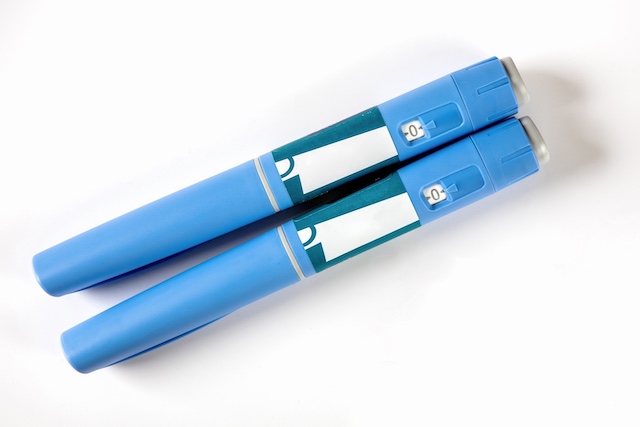
WHO Warns of Severe Global Shortages of GLP-1 Obesity Medicines as Demand Surges
Key Takeaways:
- Fewer than one in ten people worldwide who could benefit from GLP-1 medicines such as Wegovy and Mounjaro are currently able to access them, due to major limitations in production, affordability, and health system readiness.
- The World Health Organization has issued its first formal guidance on the clinical use of GLP-1 therapies, describing them as “a new chapter” in the treatment of obesity, but emphasising the need for equitable access and comprehensive lifestyle support.
- Without urgent action, global obesity prevalence is projected to double to two billion people by 2030, with associated economic costs reaching three trillion US dollars.
WHO Issues first guidance on GLP-1 medicines amid severe supply constraints
The World Health Organization has warned that fewer than one in ten people globally who could benefit from modern GLP-1 obesity medicines are currently able to obtain them, despite the scale of the obesity epidemic and the transformative clinical potential of drugs such as Wegovy and Mounjaro.
With more than one billion people worldwide now living with obesity, the WHO has called for far more widespread, affordable, and equitable access to GLP-1 therapies. Projections indicate that more than two billion people will be living with obesity by 2030 unless governments implement decisive action. The economic burden is expected to rise steeply, with global costs anticipated to reach three trillion US dollars by the same date.
Dr Tedros Adhanom Ghebreyesus, WHO Director-General, stressed that modern pharmacological treatments must be understood as part of a long-term care approach. He stated: “Our new guidance recognises that obesity is a chronic disease that can be treated with comprehensive and lifelong care. While medication alone will not solve this global health crisis, GLP-1 therapies can help millions overcome obesity and reduce its associated harms.”
The WHO has already added GLP-1 medicines to its essential medicines list for people who are overweight and living with diabetes, signalling that countries are advised to provide access to them. The organisation’s new guidance, described as a “special communication” aimed at clinicians, sets out for the first time its formal position on the value, limitations, and safe use of these drugs.
A new chapter in obesity treatment
The WHO notes that GLP-1 therapies represent “more than a scientific breakthrough”. They mark a decisive shift in how obesity is conceptualised, moving away from viewing it solely as a “lifestyle condition” and towards recognising it as a complex, preventable, and treatable chronic disease. The statement published in the Journal of the American Medical Association asserted: “GLP-1 therapies … have emerged as an important innovation in addressing the global obesity challenge. The advent of these medications represents a tipping point in the treatment of obesity, its complications and related co-morbidities.”
The WHO highlighted increasing evidence that GLP-1 therapies may also reduce the risk of several serious conditions, including heart attacks, strokes, type 2 diabetes, high blood pressure, elevated cholesterol, sleep apnoea, and kidney and arterial disease.
However, the organisation emphasised that these medicines must always be paired with holistic support. Individuals prescribed GLP-1s should receive advice on nutrition, physical activity, and behavioural counselling to maintain weight loss and improve long-term health outcomes. The WHO also reiterated that pregnant women should not use GLP-1 therapies.
Global access limited by production, affordability, and system capacity
Despite rising demand, global production capacity remains a major barrier. The WHO estimates that even under the most optimistic forecasts, manufacturers could produce enough GLP-1 medicines for only about 100 million people. This represents less than 10 per cent of the more than one billion who could benefit.
High prices, limited manufacturing capability, and supply chain constraints all significantly restrict access. The WHO has urged pharmaceutical companies to expand production rapidly and to reduce the prices of medications such as Mounjaro and Ozempic to prevent people in low-income countries from being excluded.
The guideline calls for measures such as voluntary licensing, through which patent-holding companies allow other manufacturers to produce low-cost generic versions. This pathway may soon become more viable as key patents expire. The patent on semaglutide, the active ingredient in Novo Nordisk’s Wegovy, is due to expire in several countries in 2026. Once this occurs, manufacturers in India, Canada, China, Brazil, Turkey, and other jurisdictions will be able to develop and sell more affordable versions.
The WHO also underscored three persistent barriers that must be addressed to achieve global access:
- Limited production capacity, availability, and affordability.
- Health system readiness to prescribe and monitor the medicines.
- Universal access to healthcare services.
Dr Tedros stressed the organisation’s “greatest concern is equitable access”.
Calls for national action on prevention and supportive environments
While pharmacotherapy can assist individuals living with obesity, the WHO stated that countries must continue to prioritise prevention and create healthier environments. This includes promoting physical activity, improving food systems, and ensuring that population-level interventions accompany advances in medical treatment.
How GLP-1 obesity medicines work
GLP-1 medicines work by mimicking a natural hormone that slows digestion, suppresses appetite, and increases feelings of fullness. This results in people eating less and typically losing weight within a few weeks of starting treatment.
In the United Kingdom, GLP-1 medicines are prescription-only and can only be supplied following clinical assessment by a healthcare professional. Some formulations are available through the NHS, although many are obtained privately. A black market for these medicines exists, and the WHO and UK regulators warn that people should avoid unregulated sources such as beauty salons or social media sellers.
Research suggests that people often regain much of the weight within a year after stopping GLP-1 therapy, as physiological hunger cues return. This further reinforces the need for comprehensive, long-term behavioural support.
Global obesity burden and associated risks
Obesity affects people in every country and was associated with 3.7 million deaths worldwide in 2024, according to the WHO. Being overweight or living with obesity increases the risk of numerous serious health conditions, including type 2 diabetes, cardiovascular disease, stroke, and several cancers. The WHO’s statement highlights the immense public health implications if access to effective interventions continues to lag far behind global need.
Expert commentary
The WHO statement was authored by senior clinicians Francesca Celletti, Luz De Regil, and Jeremy Farrar, the organisation’s Assistant Director for Health Promotion and Disease Prevention and Control. Dr Farrar formerly served as WHO Chief Scientist and Director of the Wellcome Trust in London.
Katherine Jenner, Executive Director of the United Kingdom’s Obesity Health Alliance, emphasised that medicines are only part of the solution. She stated: “Weight loss drugs have an important role to play, but they are not a silver bullet. In the United Kingdom right now, access is still limited, supply is fragile, and NHS use is tightly targeted. These powerful medicines can help individuals with chronic obesity, but they are not suitable for everyone and must be accompanied by comprehensive support to be used safely and effectively. Evidence shows that most people regain weight once they stop taking these drugs, and we cannot medicate two-thirds of the population indefinitely.”
CCH insight:
The limited supply of GLP-1 medicines globally is of course frustrating, but until new drugs come to market, and just liraglutide, semaglutide and tirzepatide available, this is likely to continue. All three of these drugs are polypeptides, delivered via injection ‘pens’ and must be refrigerated, so they are expensive and complicated to produce. However, new GLP-1 medications are in development which should improve access and reduce costs, such as orforglipron – a small molecule which is easier to produce and can be taken orally in pill form.
Read More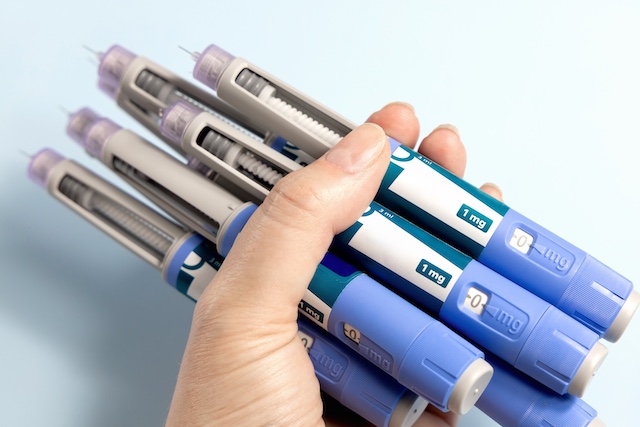
WHO Issues First Global Guideline on GLP-1 Therapies for Treating Obesity
Key Takeaways:
- WHO has released its first global guideline on the use of GLP-1 therapies for treating obesity as a chronic, relapsing disease, offering conditional recommendations for adults.
- While the medicines show meaningful benefits, WHO stresses that medication alone will not reverse the obesity crisis and that person-centred, lifelong care is essential.
- Concerns remain about long-term safety data, affordability, availability, and the potential for widening global health disparities without deliberate policy action.
Introduction: A new milestone in global obesity care
The World Health Organization (WHO) has issued its first global guideline on the use of Glucagon-Like Peptide-1 (GLP-1) therapies for treating obesity, a chronic and relapsing disease affecting more than one billion people worldwide. Obesity contributes to 3.7 million deaths globally each year, and without urgent action the number of people living with obesity is projected to double by 2030.
The new guideline follows the decision made in September 2025 to add GLP-1 therapies to the WHO Essential Medicines List for managing type 2 diabetes in individuals at high risk. With this new document, WHO provides its first formal, conditional recommendations on the use of GLP-1 therapies specifically for obesity as part of a comprehensive treatment approach that includes healthy diets, regular physical activity, and professional health support.
“Obesity is a major global health challenge that WHO is committed to addressing by supporting countries and people worldwide to control it, effectively and equitably. Our new guidance recognises that obesity is a chronic disease that can be treated with comprehensive and lifelong care,” said Dr Tedros Adhanom Ghebreyesus, WHO Director-General. “While medication alone won’t solve this global health crisis, GLP-1 therapies can help millions overcome obesity and reduce its associated harms.”
The global and economic burden of obesity
Obesity is a complex, chronic disease and a major driver of noncommunicable conditions including cardiovascular diseases, type 2 diabetes, and some cancers. It also worsens outcomes for people who develop infectious diseases.
The global economic burden is profound. The worldwide cost of obesity is projected to reach US$ 3 trillion every year by 2030 due to increased healthcare demands and the rising costs of managing obesity-related complications. WHO hopes that clear guidance on the use of GLP-1 therapies will support efforts to reduce escalating healthcare expenditure while improving outcomes for people affected by obesity.
A landmark policy shift: WHO’s conditional recommendations
WHO’s new guideline sets out two key conditional recommendations based on currently available evidence.
1. Use of GLP-1 therapies in adults living with obesity
WHO states that GLP-1 therapies may be considered for long-term treatment in adults, excluding pregnant women. The medicines have demonstrated clear efficacy in supporting weight loss and improving metabolic outcomes. However, the recommendation remains conditional due to several concerns:
- Limited long-term data on safety, durability, maintenance, and outcomes following discontinuation
- High costs of treatment
- Insufficient readiness of health systems to support widespread use
- Possible negative effects on health equity
2. Combining GLP-1 therapies with intensive behavioural interventions
WHO also recommends that adults living with obesity and prescribed GLP-1 therapies may be offered structured behavioural interventions, including support for dietary changes and increased physical activity. This recommendation reflects low-certainty evidence suggesting that combining medication with lifestyle interventions may yield better outcomes.
Medication alone will not reverse the obesity crisis
Although GLP-1 therapies represent the first highly effective pharmacological treatment for adults living with obesity, WHO emphasises that medication on its own is insufficient. Obesity must be addressed as both an individual and societal challenge. The guideline calls for a fundamental shift toward comprehensive strategies built on three pillars:
- Creating healthier environments through population-level policies that promote health and prevent obesity.
- Protecting people at high risk by using targeted screening and structured early interventions.
- Ensuring person-centred, lifelong care for people living with obesity, recognising the chronic nature of the disease.
Implementing the guideline: Equity, system readiness and global access
WHO notes that fair access to GLP-1 therapies must be prioritised. Without deliberate policies, these medicines could deepen existing global health inequalities. System readiness, affordability, and supply capacity are major concerns.
Even with rapid increases in manufacturing, GLP-1 therapies are expected to reach fewer than 10 percent of people who could benefit from them by 2030. WHO urges global leaders to consider approaches that expand access, such as:
- Tiered pricing
- Pooled procurement mechanisms
- Voluntary licensing arrangements
These measures could help prevent widening disparities as demand expands.
Development of the guideline
The guideline was developed in direct response to requests from WHO Member States seeking actionable direction on obesity care. The process involved:
- Extensive assessment of available scientific evidence
- Input from global stakeholders
- Engagement with people who have lived experience of obesity
This document forms a core component of the WHO acceleration plan to stop obesity and will be updated regularly as new evidence emerges.
During 2026, WHO intends to work with partners to create a transparent and equitable prioritisation framework to ensure that individuals with the greatest medical need receive treatment first.
Notes to editors
About GLP-1 therapies for obesity
WHO defines obesity in adults as having a Body Mass Index (BMI) of 30 or above. GLP-1 receptor agonists help lower blood glucose, support weight loss, reduce cardiovascular and renal risks, and can reduce early mortality in people with type 2 diabetes.
This guideline provides recommendations for three GLP-1 agents used in the long-term treatment of obesity in adults:
- Liraglutide
- Semaglutide
- Tirzepatide
Falsified and substandard products
The surge in global demand has contributed to the spread of falsified and substandard GLP-1 products. WHO stresses that safe access requires:
- Prescription and distribution through regulated, qualified healthcare providers
- Strong oversight and monitoring
- Patient education
- International cooperation to safeguard public health
The organisation warns that falsified or substandard medicines threaten both patient safety and public trust.
CCH insight:
This new guideline is very welcome. The World Health Organisation has been a little slow in recognising obesity as a chronic relapsing disease and the importance of GLP-1 medications as a very important development in obesity treatment. However, these guidelines are comprehensive, consistent with treatment of obesity as a chronic relapsing disease, and recognise the challenges of delivering safe, sustainable, equitable obesity care.
Read More
Novo Nordisk’s Amycretin Emerges as a Strong Next-Generation Obesity and Diabetes Candidate in Early and Mid-Stage Trials
Key Takeaways:
- Early and mid-stage studies indicate that amycretin delivers substantial, dose-dependent weight loss in people who are overweight or have obesity, as well as in people with type 2 diabetes.
- Safety findings remain broadly consistent with GLP-1-based agents, with mainly mild to moderate gastrointestinal effects and no weight-loss plateau observed within study periods.
- Novo Nordisk’s new data signal a potentially important successor to semaglutide, strengthening the company’s obesity and diabetes pipeline as it faces patent expirations and competitive pressure from Eli Lilly.
Introduction
A new body of evidence published in The Lancet and released by Novo Nordisk suggests that amycretin, an investigational once-weekly therapy targeting multiple metabolic pathways, may offer clinically meaningful weight reduction and glycaemic improvements in adults who are overweight or have obesity, as well as in adults with type 2 diabetes. The findings come as Novo Nordisk aims to consolidate its leadership in the weight-loss market following concerns about semaglutide’s recent performance in Alzheimer’s trials and increasing competition from Eli Lilly.
Amycretin combines actions on the glucagon-like peptide 1 (GLP-1), amylin, and calcitonin receptors. This multi-pathway design is intended to amplify appetite suppression, slow gastric emptying, and improve metabolic control. Amylin’s role is particularly relevant because it complements GLP-1 signalling, and combining these effects may provide more durable weight management than existing single-pathway therapies.
Background
Obesity affects more than one billion people worldwide and increases the risk of conditions such as cardiovascular disease, type 2 diabetes, non-alcoholic fatty liver disease, and sleep apnoea. Although GLP-1 or GIP receptor agonists have transformed obesity care, many individuals still struggle to meet health goals or encounter diminishing returns over time. Enhancing these therapies with additional hormonal pathways, such as amylin, has been of growing scientific interest.
Amylin, a pancreatic hormone, naturally suppresses appetite, slows digestive transit, and moderates post-meal glucose spikes. When combined with GLP-1 activation, amylin may strengthen satiety signals and support deeper and more sustained weight reduction. Amycretin, a single peptide simultaneously targeting GLP-1, amylin, and calcitonin receptors, represents an effort to leverage these combined mechanisms.
While animal studies have shown potent metabolic effects, the safety, tolerability, and human efficacy of this multi-pathway approach had not been fully established, prompting the recently reported Phase 1b/2a trial and Novo Nordisk’s parallel mid-stage diabetes study.
Phase 1b/2a trial overview (adults who are overweight or have obesity)
Study design
Investigators conducted a five-part, randomised, placebo-controlled Phase 1b/2a trial at a single clinical site in San Antonio, Texas. Eligible adults were aged 18–55 years, had a baseline BMI between 27.0 and 39.9 kg/m², and had no major illnesses such as diabetes. Participants received subcutaneous amycretin or placebo once weekly.
The trial included:
- Part A: Single ascending doses (0.3 mg, 0.6 mg, 1.0 mg).
- Part B: Dose escalation to 60 mg over 36 weeks.
- Part C: Dose escalation to a 20 mg maintenance dose for the final 12 weeks of a 36-week period.
- Part D: Dose escalation to a 5 mg maintenance dose for the final 12 weeks of 28 weeks.
- Part E: Dose escalation to a 1.25 mg maintenance dose for the final 12 weeks of 20 weeks.
Endpoints and monitoring
The primary endpoint was the incidence of treatment-emergent adverse events. Secondary endpoints included:
- Percentage change in body weight
- Pharmacokinetic parameters
- Exploratory metabolic biomarkers (fasting glucose and HbA1c)
Participants had regular laboratory testing, ECG monitoring, and safety assessments. Analyses were adjusted for baseline weight and missing data.
Phase 1b/2a results
Participant characteristics
Between September 2023 and April 2024, the study enrolled 125 adults. A total of 101 received amycretin and 24 received placebo. Baseline BMIs ranged from 30.0 to 33.1 kg/m² across treatment groups, with an overall mean of 33.4 kg/m². Baseline weights ranged from 83.6 kg to 99.1 kg.
Tolerability and discontinuations
Thirty-eight participants receiving amycretin (37%) and four receiving placebo (17%) discontinued the study. Most discontinuations were not related to safety, and investigators noted that placebo discontinuations appeared consistent with a likely nocebo effect.
Treatment-emergent adverse events occurred in 92% of amycretin recipients and 100% of placebo recipients in Parts B–E. Gastrointestinal effects were most common and included:
- Nausea: 82%
- Vomiting: 53%
- Diarrhoea: 41%
These symptoms generally peaked during dose escalation and diminished afterwards. Dysaesthesia rates varied by cohort, ranging from 6% to 29%, and resolved in all but one participant.
One case of mild gallstone pancreatitis occurred during dose escalation in Part C (2.5 mg), later progressing to a serious recurrent episode that ultimately resolved.
No clinically meaningful ECG abnormalities were detected. A transient early rise in heart rate of about 10 bpm resolved without intervention. Antidrug antibodies appeared in 29% of Part B participants and 21% in Part C.
Weight-loss effects
Weight reduction was rapid, dose-dependent, and sustained. Mean percentage weight losses at end of treatment were:
- 60 mg (week 36): 24.3%
- 20 mg (week 36): 22.0%
- 5 mg (week 28): 16.2%
- 1.25 mg (week 20): 9.7%
Placebo groups had much smaller changes: −1.1% (Part B), +1.9% (Part C), +2.3% (Part D), and +2.0% (Part E).
Superiority to placebo emerged by week 4 and continued to widen without evidence of plateau during the maintenance phases. Repeated-measures models produced nearly identical weight-loss estimates.
Metabolic effects
Exploratory findings indicated modest improvements:
- Fasting glucose reductions up to 0.8 mmol/L
- HbA1c reductions of 0.6 percentage points in the highest-dose cohort
Lipid levels and seated blood pressure remained neutral.
Novo Nordisk’s mid-stage trial in type 2 diabetes
In parallel with the early-stage obesity trial, Novo Nordisk announced promising results from a mid-stage study evaluating amycretin in adults with type 2 diabetes who had inadequate glycaemic control with metformin, with or without an SGLT2 inhibitor. The trial included 448 participants and assessed both once-weekly subcutaneous and oral formulations.
Context and competitive landscape
The announcement came one day after Novo Nordisk reported disappointing Alzheimer’s trial results for semaglutide. With patent expirations approaching and rising competition from Eli Lilly’s amylin-based agent eloralintide, analysts are closely watching amycretin’s performance.
Amycretin is widely viewed as a potential “best-in-class” therapeutic candidate. It follows CagriSema, a combination approach which had raised strong expectations but ultimately delivered less weight loss than anticipated in prior studies.
Key findings
- Weight loss:
- Up to 14.5% weight reduction with once-weekly injections over 36 weeks
- Up to 10.1% weight reduction with the oral formulation
- Both routes showed no weight-loss plateau, suggesting the potential for further reduction with longer treatment durations.
- Up to 14.5% weight reduction with once-weekly injections over 36 weeks
- Glycaemic control:
- Statistically significant HbA1c reductions
- Up to 89.1% of participants achieved HbA1c below 7%
- Side-effects were mostly mild gastrointestinal symptoms.
- Statistically significant HbA1c reductions
Novo Nordisk stated it intends to begin late-stage clinical trials in 2026.
Analyst commentary
BMO Capital analyst Evan Seigerman noted that the data represent progress for Novo Nordisk:
“The data, though not enough to completely change the narrative for Novo, marks a step in the right direction for the company.”
Kepler Cheuvreux analyst David Evans commented on amycretin’s broader potential:
“The level of weight-loss seen bodes well not only for its potential in diabetes but also in obesity.”
Morningstar analyst Karen Andersen projected substantial commercial potential, estimating peak annual sales of $8 billion by 2034, split approximately evenly between diabetes and obesity indications, assuming a 2029 launch.
Conclusion
The combined early- and mid-stage data suggest that amycretin may represent a significant development in obesity and diabetes treatment. Its multi-pathway design has shown robust weight-loss effects across populations and the possibility of improved metabolic outcomes. While long-term safety and efficacy need confirmation in Phase 3 trials, amycretin appears positioned as one of Novo Nordisk’s most important next-generation candidates at a time of high strategic importance for the company.
Read More
UMass Chan Launches National Collaborating Centre to Study Digital Lifestyle Interventions for People Using GLP-1 Medications
Key Takeaways:
- A major trial at UMass Chan will test whether a digital lifestyle change programme enhances outcomes for people using GLP-1 therapies to manage obesity, diabetes or cardiovascular disease.
- The work launches a new CDC-funded centre dedicated to lifestyle change implementation research, with a four-year award of 2 million dollars.
- Researchers aim to strengthen scientific evidence on how structured lifestyle interventions can support people taking GLP-1 medicines in real-world settings, including effects on physical activity, diet, muscle mass, adherence and quality of life.
Launch of a new national collaborating centre
UMass Chan Medical School has initiated a large research programme to examine whether a digital lifestyle change intervention can improve outcomes for people using GLP-1 therapies to manage obesity, diabetes or cardiovascular disease. This project marks the launch of the Lifestyle Change Implementation Research Network Collaborating Center at UMass Chan’s Prevention Research Center. The centre is supported by a four-year, 2 million-dollar award from the United States Centers for Disease Control and Prevention.
The project is jointly led by Jamie Faro, PhD, assistant professor of population and quantitative health sciences, and Stephenie C. Lemon, PhD, the Barbara Helen Smith Chair in Preventive and Behavioural Medicine, professor of population and quantitative health sciences, chief of the Division of Preventive and Behavioural Medicine, and co-director of the Prevention Research Center at UMass Chan.
Understanding the early experience of people using GLP-1 therapies
Dr Faro said: “We are going to look at what patients using GLP-1s are experiencing from early on in their journey, including changes in physical activity, diet, skeletal muscle mass, side-effect management, medication adherence and quality of life. We are hopeful this study addresses how lifestyle change interventions can impact these areas when implemented alongside patient’s medication.”
The research team intends to evaluate how a structured, digitally delivered programme may support people who are navigating the rapid physiological and behavioural changes often associated with GLP-1 therapy.
Study design and participant experience
Recruitment is expected to begin in early 2026, focusing on people living in the Worcester area. The study will enrol 220 participants and compare outcomes for individuals using the Noom Weight digital lifestyle change programme and Noom’s GLP-1 Companion with those receiving standard care. People who are allocated to standard care will have the option of accessing the digital intervention once the study concludes.
Participants in both groups will receive a wearable device to monitor physical activity over an eight-month period. They will also complete a series of lifestyle and health questionnaires, including dietary recalls. The dietary assessments will be led by co-investigator Sabrina Noel, PhD, RD, associate professor of biomedical and nutritional sciences and director of the Center for Population Health and the Health Assessment Laboratory at UMass Lowell.
Building the evidence base for real-world practice
Dr Faro emphasised the lack of robust data on how structured lifestyle change programmes can support people in real-world settings. She said: “There needs to be more scientific evidence on how lifestyle change interventions can support patients’ needs in real-world settings. The team laid the groundwork for this project by conducting pilot projects in UMass Memorial Health clinics, funded by the UMass Chan Ambulatory Research Consortium and the Mel Cutler pilot award in the Department of Population and Quantitative Health Sciences.”
The project will also investigate how lifestyle interventions can be implemented across different levels of the health system, including within clinical settings and by providers and payors.
Addressing risks and supporting long-term needs
Dr Lemon highlighted the importance of ensuring people using GLP-1 therapies receive appropriate lifestyle support. She said: “We want to establish evidence that can be applicable in other contexts that helps patients understand and engage in these necessary lifestyle interventions. Otherwise, we are going to have a population of GLP-1 users who lose weight but lose their muscle mass or have other issues that could be helped with lifestyle interventions, or who come off these meds and need additional support as they regain weight.”
A national network with shared goals
UMass Chan is one of four funded sites to receive a Lifestyle Change Interventions Research Network Coordinating Center Special Interest Project award from the CDC. The other sites include the University of Utah, the University of Pittsburgh and the University of South Carolina. Each site is conducting its own research project tailored to the evidence gaps identified by the CDC and to the needs of its local population.
The new centre at UMass Chan will collaborate closely with the CDC’s Coordinating Center and with Prevention Research Centers across the national network. Together they aim to advance research and practical implementation, with a focus on sustainable, evidence-based lifestyle change interventions to reduce obesity, diabetes, cardiovascular disease and related chronic conditions.
Dr Lemon summarised the broader ambition of the network: “The goal of the network is to bring together researchers and practitioners from across the country who are interested in this field, with a goal of building knowledge and capacity for implementing advanced weight loss interventions and potentially doing small scale additional research studies that fill evidence gaps in partnership between researchers and practitioners.”
Read More