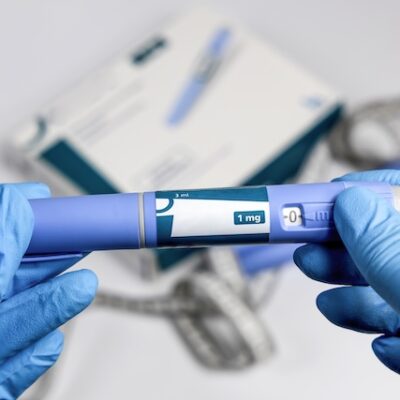
Bariatric Surgery Delivers Greater Long-Term Benefits Than GLP-1 Medicines Alone, Cleveland Clinic Study Finds
Key Takeaways:
- People with obesity and type 2 diabetes who underwent bariatric surgery lived longer and experienced fewer serious complications than those treated with GLP-1 receptor agonist medicines alone.
- Surgery was associated with a lower risk of death, cardiovascular disease, kidney disease, and diabetes-related eye damage over a 10-year period.
- Patients who had surgery lost more weight, achieved better blood sugar control, and relied less on medications for diabetes, blood pressure, and cholesterol.
Major Cleveland Clinic study compares treatments
A large-scale study conducted by Cleveland Clinic has shown that people living with obesity and type 2 diabetes who undergo bariatric (metabolic) surgery experience significantly better long-term outcomes compared with those treated only with GLP-1 receptor agonist (GLP-1RA) medicines.
The research, published in Nature Medicine, followed nearly 4,000 patients and found that surgery was linked to longer life expectancy, greater weight loss, improved blood sugar control, and reduced reliance on diabetes and cardiovascular medicines.
“Even with today’s best medicines, metabolic surgery offers unique and lasting benefits for people with obesity and diabetes,” said Ali Aminian, M.D., Director of Cleveland Clinic’s Bariatric & Metabolic Institute and primary investigator of the study. “The benefits we observed went beyond weight loss. Surgery was linked to fewer heart problems, less kidney disease and even lower rates of diabetes-related eye damage.”
Study design and findings
The M6 study (Macrovascular and Microvascular Morbidity and Mortality after Metabolic Surgery versus Medicines) included 3,932 adults with both diabetes and obesity who received care at Cleveland Clinic over a period of up to 10 years.
- 1,657 participants underwent metabolic surgery, including gastric bypass or sleeve gastrectomy.
- 2,275 participants were treated with GLP-1 medicines such as liraglutide, dulaglutide, exenatide, semaglutide, and tirzepatide.
The median follow-up was 5.9 years (interquartile range 4.4–7.6 years).
Key outcomes:
At the 10-year mark, patients who underwent metabolic surgery had significantly better outcomes:
- 32% lower risk of death
- 35% lower risk of major adverse cardiovascular events (MACE), including heart attack, heart failure, or stroke
- 47% lower risk of chronic kidney disease (CKD)
- 54% lower risk of diabetes-related retinopathy (eye damage)
The 10-year cumulative incidence of all-cause mortality was 9.0% (95% CI 6.8–10.8%) in the metabolic surgery group, compared with 12.4% (95% CI 9.9–15.2%) in the GLP-1RA group (adjusted hazard ratio 0.68, 95% CI 0.48–0.96; P = 0.028).
The 10-year cumulative incidence of MACE was 23.7% (95% CI 20.0–27.6%) in the metabolic surgery group and 34.0% (95% CI 28.1–44.2%) in the GLP-1RA group (adjusted hazard ratio 0.65, 95% CI 0.51–0.82; P < 0.001).
On average:
- People who had surgery lost 21.6% of their body weight over 10 years.
- People treated with GLP-1 medicines lost 6.8% of their body weight.
- Haemoglobin A1c (HbA1c), a key marker of average blood sugar, improved by -0.86% with surgery compared with -0.23% with GLP-1 medicines.
In addition, surgery patients required fewer prescriptions for diabetes, blood pressure, and cholesterol management.
Expert perspectives
The findings underscore the long-term advantages of bariatric surgery even in the current era of advanced GLP-1 treatments.
“Even in the era of these powerful new drugs to treat obesity and diabetes, metabolic surgery may provide additional benefits, including a survival advantage,” said Steven Nissen, M.D., Chief Academic Officer of the Heart, Vascular & Thoracic Institute at Cleveland Clinic and senior author of the study.
Dr Aminian emphasised the importance of maintaining surgery as a treatment option:
“Our findings indicate that surgery should remain an important treatment option for obesity and diabetes. These long-term benefits are harder to achieve with GLP-1 medicines alone, as many patients stop using the medications over time.”
Study limitations and future research
The authors highlighted that the study was observational, not a randomised controlled trial. This means that while strong associations were observed, direct comparisons may be influenced by unmeasured factors.
In addition, the study did not focus exclusively on the most recent and highly effective GLP-1 medicines. The authors noted that future trials should directly compare metabolic surgery with newer GLP-1 therapies, such as semaglutide and tirzepatide, to help guide clinical decision-making.