

New Virtual Care Programme Aims to Transform Severe Obesity Management in Western Sydney
Key Takeaways:
- Nepean Blue Mountains Local Health District (NBMLHD) is building “Living Well Virtual Care”, a 12–18 month virtual programme offering evidence-based, multidisciplinary care to adults living with severe obesity in Western Sydney.
- The programme is modelled on the internationally recognised Family Metabolic Health Service (FMHS) adult model of care and is designed for people who face barriers attending hospital-based services, including long travel distances, physical disabilities or severe anxiety.
- Funded through NSW Health’s Translational Research Grants Scheme and supported by the Agency for Clinical Innovation, Living Well has been designed to be scalable across NSW, including in regional and rural communities.
A new digital pathway for severe obesity care
Nepean Blue Mountains Local Health District (NBMLHD) is building the “Living Well Virtual Care” programme, a new digitally enabled clinical pathway designed to improve access to evidence-based severe obesity management in Western Sydney.
Living Well will run as a 12–18 month virtual programme. It draws its inspiration from the successful and internationally recognised Nepean Blue Mountains Family Metabolic Health Service (FMHS) adult model of care.
The programme supports adults living with severe obesity through a holistic, evidence-based, multidisciplinary approach. This approach addresses not only a person’s physical and mental health, but also the social factors that influence their long-term wellbeing.
Extending the reach of an established service
A central aim of Living Well is to reach people who may currently be missing out on specialist care.
“Living Well will allow us to extend the reach of the Family Metabolic Health Service to people who are waiting long periods of time to see us, or who may otherwise never engage with us,” explains Dr Kathryn Williams, Clinical Lead of the Family Metabolic Health Service and Principal Investigator of the Living Well program.
The programme is particularly suited to people who face barriers attending hospital-based services. These include people who live long distances from clinics, people with physical disabilities and people who experience severe anxiety.
Responding to growing demand across NSW
Demand for public obesity services continues to grow across NSW. Without timely intervention, a person’s health and quality of life can deteriorate, increasing the risk of chronic disease, disability and future hospitalisations.
Living Well has been developed as an affordable, scalable response to this challenge. By offering earlier, virtual access to coordinated care, the programme aims to support better health optimisation and ease pressure on emergency departments and inpatient services. These are outcomes that the in-person Family Metabolic Health Service model of care is already delivering.
“Severe obesity is a complex, chronic condition and it requires sustained, coordinated care,” continues Kathryn.
“Living Well will put the right support in place earlier, improving health outcomes for patients while also delivering better value for the health system.”
For healthcare professionals, this emphasis on obesity as a complex, chronic condition requiring sustained and coordinated care reflects the kind of evidence-based foundation covered in The College of Contemporary Health’s Obesity Essentials course, which supports clinicians to strengthen their understanding of obesity management in practice.
What the programme offers
The Living Well Virtual Care programme brings together a range of digital and supportive elements, including:
- On-demand educational content
- Live webinars and group interventions
- Practical resources to support participants to engage their GP in medical weight management and the management of obesity-related complications
- Links to trusted external online resources relevant to severe obesity
- Opportunities for peer connection and support
Alongside engaging with the online content, participants receive one-to-one health coaching.
Designed to scale across the state
Living Well has been designed to be scalable across NSW, including in regional and rural communities, and is supported by the Agency for Clinical Innovation.
“This program will demonstrate how digital care can be used as an extension of high-quality clinical services,” says Kathryn.
“For many patients it will mean timely access to care, greater confidence in managing their health, and a more positive experience as they journey through the health system.”
Funding and research significance
The Living Well Virtual Care Program is funded through NSW Health’s Translational Research Grants Scheme. It is one of three NBMLHD high-impact research projects with the potential to be translated into policy and practice and to build research capability within NSW Health.
CCH insight
As services like Living Well show, effective care for people living with severe obesity depends on clinicians who understand obesity as a complex, chronic condition and can support people through sustained, coordinated care. The College of Contemporary Health’s Obesity Essentials course is designed to help healthcare professionals build confidence in evidence-based obesity management.
Source: Nepean Blue Mountains Local Health District
Read More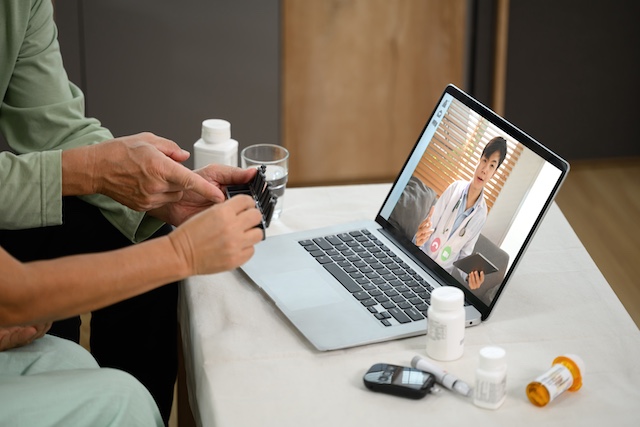
Telehealth Strengthens Diabetes Self-Care but Delivers Only Modest Glycaemic Gains
Key Takeaways:
- Comprehensive telehealth produced modest, non-significant improvements in glycaemic control compared with self-monitoring alone.
- Diabetes self-care was the only outcome to improve significantly, pointing to better self-management rather than better clinical numbers.
- Uptake was low, with relatively few participants completing the intended number of telehealth encounters.
Why self-management sits at the centre of type 2 diabetes care
People living with type 2 diabetes carry much of the day-to-day work of managing their condition. Self-monitoring, medication adherence, lifestyle modification and psychosocial coping all fall largely to the individual, supported at intervals by their clinical team. Comprehensive telehealth has been proposed as a way of closing the gaps between those intervals – enabling more regular contact with health care providers, structured review of patient-generated data, and input from a multidisciplinary team without requiring people to attend in person.
What has remained uncertain is whether that model works in a fee-for-service setting, where reimbursement structures and service design differ markedly from the integrated systems in which much telehealth research has been conducted. A randomised trial published in Annals of Internal Medicine on 23 June 2026 set out to answer that question.
What the trial set out to test
The study, led by Crowley and colleagues, evaluated both the implementation and the effectiveness of a comprehensive telehealth intervention for people with uncontrolled type 2 diabetes and comorbid hypertension, delivered in a fee-for-service context. Participants were randomised either to the comprehensive telehealth programme or to self-monitoring alone, with the comparison designed to isolate the added value of regular provider contact and multidisciplinary review over and above the data-gathering that people were already doing themselves.
Outcomes spanned both the clinical and the behavioural: glycaemic control, blood pressure, weight, diabetes self-care, disease-related distress and self-efficacy, alongside safety monitoring for serious adverse events.
Uptake proved to be the sticking point
One of the clearest findings was not about physiology at all. Uptake of the intervention was limited, with relatively few participants completing the intended number of telehealth encounters. That matters for interpreting everything that follows: a programme that people do not fully engage with is being tested at less than full strength.
Engagement also appeared to shape the results. Improvements in glycaemic control were more evident among participants with greater engagement, suggesting a dose-response relationship that the trial as a whole was not positioned to demonstrate conclusively.
Modest clinical gains that did not reach significance
Compared with self-monitoring alone, comprehensive telehealth was associated with modest improvements in glycaemic control. Those improvements did not reach statistical significance.
The same pattern held across the other clinical measures. The telehealth group showed trends towards better blood pressure and weight outcomes, as well as towards reduced disease-related distress and improved self-efficacy – but again, these differences were not statistically significant. The direction of travel was consistent and favourable; the magnitude simply was not large enough to distinguish the intervention from the comparator.
Self-care was the one clear winner
The exception was diabetes self-care, which was the only outcome that improved significantly with telehealth. It is a result worth dwelling on. It suggests the intervention may strengthen people’s ability to manage their own condition even where clinical measures remain largely unchanged – a benefit that conventional endpoints are poorly designed to capture, and one that may accrue over a longer horizon than the trial allowed.
Whether that improved self-management eventually translates into better glycaemic, blood pressure or weight outcomes is a question the study cannot answer. What it does indicate is that the mechanism telehealth is meant to activate – supported, informed, confident self-management – did in fact activate.
That mechanism depends heavily on the quality of the conversation, not just its frequency. Practitioners looking to strengthen engagement and draw out patients’ own motivation to change are increasingly turning to structured behaviour change training; CCH’s two-hour CPD short course, Behaviour Change Skills: Enhancing Motivation, covers motivational interviewing techniques for exploring readiness, working with ambivalence and recognising change talk in everyday consultations.
Safety and adverse events
Serious adverse events were uncommon and occurred at similar rates in both groups, supporting the safety of the intervention. For a delivery model that reduces face-to-face contact, that reassurance carries weight.
Where the findings stop short
The authors are candid about generalisability. The study population was predominantly low-income with lower educational attainment, and baseline glycaemic control was relatively favourable – leaving less room for improvement than a more poorly controlled cohort would have offered. Digital literacy was not assessed at all, despite being an obvious determinant of who can engage with a telehealth programme and who cannot.
Each of these factors constrains how far the results can be extrapolated to other populations or other service settings.
What this means for practice
The overall picture is one of a promising model that did not, in this setting, demonstrate a clear clinical advantage over self-monitoring alone. Comprehensive telehealth appears capable of enhancing self-management and patient engagement. It did not, here, translate that into measurable clinical benefit.
Further research is needed to establish whether greater uptake of the intervention, or a different patient population, would yield larger benefits. In the meantime, the trial offers a practical reminder for anyone commissioning or delivering remote diabetes care: the technology is only as effective as the engagement it manages to sustain.
CCH insight
This trial found that telehealth improved self-care significantly while clinical measures barely moved – and that engagement was the limiting factor throughout. Motivational interviewing offers an evidence-based way to shift that dynamic, helping people find their own reasons to change rather than pushing against resistance.
Behaviour Change Skills: Enhancing Motivation is a two-hour online CPD course from the College of Contemporary Health, developed with behaviour change specialists at BCT and led by registered dietitians Dympna Pearson and Sam Howard. It carries 2 CPD hours and a Certificate of Completion, and costs £59.
Read More
Virtual Care Could Reduce Hospital Admissions in Severe Eating Disorders, Study Finds
Key Takeaways:
- A fully virtual, multidisciplinary treatment programme demonstrated strong engagement and positive clinical outcomes for adults living with severe eating disorders
- Structured online support during high-risk transition periods may help reduce hospital admissions and sustain recovery following discharge
- The model highlights the potential for digitally delivered, evidence-based care to bridge gaps between inpatient and community services
Evaluating a new approach to severe eating disorder care
An evaluation conducted by Oxford Health NHS Foundation Trust has examined whether intensive, fully virtual treatment can effectively support people living with severe eating disorders. The study, published in the Journal of Eating Disorders, focused on a service known as Step Care, developed through the HOPE Provider Collaborative.
Researchers describe this as the first prospective study to investigate a completely virtual, intensive treatment model using multidisciplinary enhanced cognitive behavioural therapy (CBT-E). The programme is designed to support individuals as they transition between inpatient treatment and community-based care.
This period of transition is widely recognised as a critical phase in recovery. People living with severe eating disorders face a particularly high risk of relapse shortly after discharge from hospital, especially within the first two months. The study therefore explored whether structured virtual support during this vulnerable period could help maintain recovery and reduce the likelihood of readmission.
Addressing gaps in existing services
Step Care was developed in response to well-documented challenges within eating disorder services. These include fragmented transitions between inpatient and community care, repeated hospital admissions, and limited access to intensive day treatment.
The service is delivered entirely online and brings together a multidisciplinary team, including professionals from psychology, nursing, dietetics, and art therapy. This integrated approach aims to provide consistent and coordinated care across different stages of recovery.
Step Care operates through three distinct pathways:
- Starting Well – for individuals at risk of requiring hospital admission, with a focus on prevention
- Staying Well – for those recently discharged from inpatient care, supporting early recovery
- Working towards Recovery – for individuals who have begun restoring weight and are focusing on longer-term recovery
Lucy Gardner, professional lead dietitian within the Step Care service, highlighted the importance of integrating nutritional support within a broader therapeutic framework:
“Nutrition plays a crucial role in mental health, yet access to the right level of dietetic support is often inconsistent,” she said. “Our model offers a clear, evidence-informed way to tailor dietetic input to individual need, delivering CBT-E virtually as part of a multidisciplinary team.”
Positive outcomes across key measures
The evaluation reported high levels of engagement and programme completion, including among individuals who had been living with eating disorders for an extended period.
Participants within the Starting Well pathway experienced significant improvements across several clinical and psychological measures, including:
- Body mass index (BMI)
- Eating disorder symptoms
- Psychosocial impairment
- Mood
Importantly, most individuals in this group were able to avoid hospital admission during the course of the programme.
For those in the Staying Well pathway, outcomes were also encouraging. Participants maintained their weight and experienced a reduction in the overall impact of their illness during a period typically associated with high relapse risk. Unplanned hospital admissions were reported to be rare, and many individuals were successfully supported in transitioning to community-based care.
Sharon Ryan, nurse lead within the Step Care service, emphasised the importance of this post-discharge phase:
“The weeks after leaving hospital are often the most fragile,” she said. “Step Care provides consistent multi-disciplinary support at that point, helping people maintain their recovery with support to feel safe and confident out of hospital.”
Implications for future care models
The findings suggest that intensive, evidence-based treatment for severe eating disorders can be delivered effectively in a virtual format. This approach may offer a valuable additional option for supporting individuals at home, particularly during critical transition periods.
Agnes Ayton, clinical lead for the HOPE Provider Collaborative, explained the underlying aim of the service:
“Step Care was designed to bridge the gap between inpatient and community services,” she said. “The findings show that intensive, evidence-based treatment can be delivered safely online, providing continuity of care at a time when people are most vulnerable.”
She also noted that both engagement and clinical outcomes were encouraging, including among individuals who had experienced long-term illness.
A complement to existing services
The authors conclude that virtual programmes such as Step Care may serve as an important complement to traditional inpatient and community services. By providing structured, multidisciplinary support during high-risk periods, these models have the potential to enhance continuity of care and support sustained recovery for people living with severe eating disorders.
As healthcare systems continue to explore digital and hybrid models of care, this study adds to a growing body of evidence suggesting that virtual interventions can play a meaningful role in complex, long-term conditions.
Read More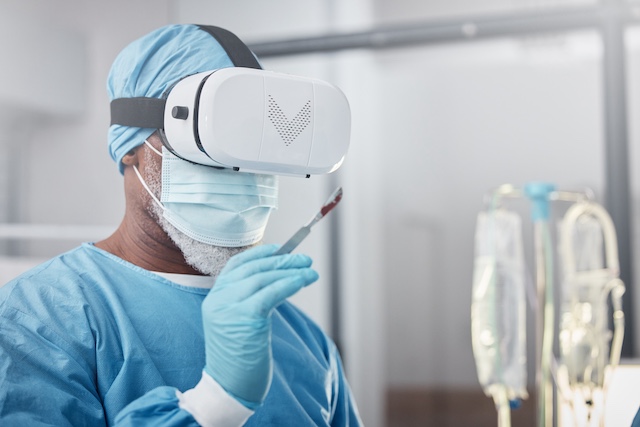
First UK Long-Distance Robotic Surgery Connects London Surgeon with Gibraltar Patient
Key Takeaways:
- A London-based surgeon has performed the UK’s first long-distance robotic cancer surgery on a patient in Gibraltar, marking a major milestone in telesurgery
- The procedure demonstrated minimal delay and high precision, suggesting remote surgery could expand access to specialist care in underserved regions
- Patients living far from specialist centres may benefit from reduced travel, lower costs and improved continuity of care
A landmark moment in remote surgery
A surgeon based in London has carried out what is believed to be the United Kingdom’s first long-distance robotic surgical procedure, operating on a patient located approximately 1,500 miles (2,400 km) away in Gibraltar.
Professor Prokar Dasgupta, a leading robotic urological surgeon, performed a prostate removal on 62-year-old Paul Buxton. Reflecting on the experience, he said it felt “almost as if I was there”, despite the geographical distance between surgeon and patient.
For Buxton, who is living with prostate cancer, the decision to participate in the procedure was straightforward. He described it as a “no-brainer” and an opportunity to become “part of medical history”.
Expanding access to specialist care
The development of long-distance robotic surgery is seen as a potential solution to longstanding challenges in healthcare access, particularly for people living in remote or underserved regions.
Such approaches could reduce the “vast expense and inconvenience” associated with travelling for specialist treatment, while enabling patients to receive care closer to home.
This milestone builds on previous advances involving UK-based surgical teams. Earlier work included a transatlantic robotic stroke procedure conducted over a distance of 4,000 miles on a cadaver – a body donated to science – which demonstrated that long-distance surgery was technically feasible.
A patient’s perspective
Buxton, originally from Burnham-on-Sea in Somerset, has lived in Gibraltar for four decades. As a British Overseas Territory, Gibraltar has limited healthcare infrastructure, with only one hospital – St Bernard’s Hospital at Europort. Patients requiring more complex care often need to travel abroad, commonly to the United Kingdom for NHS treatment if eligible.
Following his prostate cancer diagnosis shortly after Christmas, Buxton initially expected to join an NHS waiting list. However, he chose instead to take part in the remote surgery trial.
“A lot of people actually said to me: ‘You’re not going to do it, are you?’”
“I thought, I’m giving something back here,” he said.
Buxton also highlighted the practical advantages of the approach:
“If I hadn’t gone for the telesurgery in Gibraltar, then I would have had to have flown to London, I would have had to go on the NHS waiting list, get the procedure done and I would have probably been in London for three weeks.
“So I thought: ‘This is a no-brainer’.
“It is pioneering for Gibraltar, because you don’t need to leave Gibraltar.”
Following the operation on 11 February, he reported a positive recovery, stating he was “really well looked after” and “feeling fantastic”.
How the technology works
The procedure was conducted from The London Clinic using a robotic surgical system equipped with a high-definition 3D camera and four robotic arms. These were controlled remotely via a surgical console.
The connection between London and Gibraltar was enabled through fibre-optic cables, supported by a backup 5G link. The system achieved an extremely low latency, with a delay of just 0.06 seconds, allowing for precise and responsive control.
A surgical team in Gibraltar remained on standby throughout the operation to intervene if necessary, although the connection remained stable for the duration of the procedure.
The operation utilised the Toumai Robotic System and was delivered through a collaboration between The London Clinic and the Gibraltar Health Authority.
Looking ahead: scaling telesurgery
Professor Dasgupta emphasised the broader implications of the innovation:
“This gives us the opportunity to treat patients in remote areas and smaller communities by literally being able to take the best surgeon anywhere.”
The procedure forms part of an initial series of test cases. A second operation involving a 52-year-old patient in Gibraltar was carried out on 4 March, with a further procedure scheduled for 14 March.
The upcoming operation will be live-streamed to 20,000 leading urological surgeons attending the European Association of Urology congress, highlighting the global interest in this emerging field.
Reflecting on the future, Dasgupta added:
“I think it is very, very exciting, the humanitarian benefit is going to be significant.”
Alignment with broader surgical trends
This development sits alongside wider efforts to expand the use of robotic-assisted surgery within the NHS. Current ambitions include scaling up to 500,000 robot-supported operations annually by 2035.
While the NHS is prioritising local access to robotic surgery, advances in telesurgery suggest a complementary pathway – one that could extend specialist expertise beyond physical borders and reshape how surgical care is delivered globally.
CCH insight
Telesurgery is one of the most striking examples yet of a much broader shift: the rapid digital transformation of healthcare. From remote care to AI and connected devices, digital health is fast becoming core to practice rather than a niche – and being equipped for this new frontier is increasingly imperative for healthcare professionals. CCH’s CPD-accredited digital health short courses are designed to help practitioners build the practical skills and judgement to keep pace, quickly and flexibly around a clinical schedule.
Explore CCH’s Digital Health courses →

Digital and AI Strategies Emerge as Central to Expanding Health System Capacity, Survey Finds
Key Takeaways:
- Health system leaders increasingly view AI and digital health as essential to expanding capacity without adding buildings or clinical staff.
- Surveyed executives highlight persistent system pressures, including unaffordable care, limited access to primary care, and insufficient management of people’s health and wellbeing.
- Most leaders believe that fundamental operational change, underpinned by AI and digital tools, will be necessary to create sustainable, proactive models of care.
Introduction
A new report from the healthcare advisory firm Chartis suggests that digital health and artificial intelligence are now central pillars in health system leaders’ strategies to expand capacity, improve access, and operate more sustainably. The findings come from the firm’s fifth annual digital transformation survey, conducted in September 2025, which examined the perspectives of 150 health system executives on their progress and priorities in digital transformation.
Persistent pressures on healthcare delivery
The survey underscores the mounting pressures facing health systems today. Executives identified several entrenched challenges that continue to shape healthcare delivery:
- Unaffordable care was cited by 61 per cent of respondents as a major concern.
- Insufficient management of people’s long-term health and wellness was highlighted by 52 per cent.
- Limited timely access to primary care was reported by 49 per cent of leaders.
More than half of surveyed leaders believe that the sustainability of current care delivery models will decline further over the coming five years.
A shift from reactive to proactive care
In response to these pressures, there is widespread agreement that health systems must undergo fundamental change. According to the survey, nine in ten executives feel that organisations need to move away from reactive care and adopt more proactive, anticipatory models.
AI and digital health solutions are now widely considered critical to achieving this shift. The report notes that 90 per cent of leaders are already prioritising investments in digital and AI capabilities to support operational transformation.
AI and digital tools to expand capacity
Executives emphasised the importance of AI and digital health in increasing capacity while avoiding costly infrastructure or workforce expansion. Over the next five years, leaders expect these capabilities to be essential for serving more people without increasing physical space or clinical headcount.
Key priorities include:
- Freeing clinicians’ time for direct care through the use of AI (reported as very important by 52 per cent).
- Maximising access to clinical expertise using digital tools (51 per cent).
- Developing digitally enabled referral channels (45 per cent).
- Building hospital-at-home models as an alternative to inpatient care (36 per cent).
Expanding reach and access to care
Leaders also highlighted a strong need to extend the reach of healthcare services. More than half (53 per cent) stated that expanding delivery through initiatives such as care-at-home or mobile clinics is very important to improving access.
Several digital approaches were identified as particularly valuable for enhancing timely and convenient access:
- AI coaches to answer people’s questions (44 per cent).
- Connected devices and remote diagnostics to gather real-time health data (43 per cent).
- AI-enabled risk prediction to identify emerging health issues (43 per cent).
Supporting personalised patient journeys
Personalisation is another priority area, with leaders recognising the potential of digital platforms and AI to tailor the patient journey. The survey found:
- 52 per cent view offering multiple digital communication channels as very important for personalising the experience.
- 48 per cent believe that enhanced data collection and AI-supported analytics will be key to developing personalised care plans.
Call to action from Chartis
Tom Kiesau, co-author of the report and chief AI and digital officer at Chartis, emphasised the urgency of acting on these insights. He stated in the press release:
“Organisations need to capitalise on the momentum in this moment – and ensure that they are truly realising the potential presented by AI and digital capabilities to drive needed business transformation at scale.”
AI-Supported Telehealth Enhances Hip Surgery Recovery in Regional Australia
Key Takeaways:
- A co-designed, digitally supported recovery pathway is helping people in regional Australia access surgeon-approved post-operative hip care without the need for long-distance travel.
- The Panacea Pathway integrates predictive analytics and AI-generated insights to monitor progress, identify risks early, and support safer and more consistent recovery at home.
- More than 3,000 at-home clinical appointments have been delivered, with patients reporting greater confidence, improved continuity of care, and fewer missed appointments.
Addressing gaps in regional post-operative care
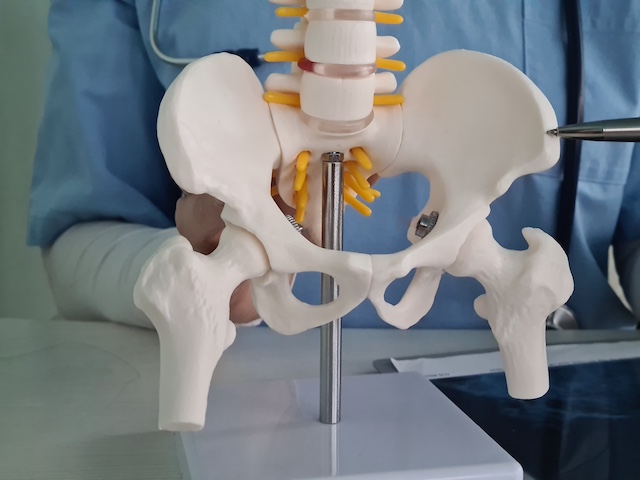
Hip replacement surgery is among Australia’s most frequently performed orthopaedic operations, and the demand for this intervention continues to grow as the population becomes older. However, people living in regional areas remain disproportionately affected by barriers to appropriate post-operative follow-up. Many must travel long distances to attend surgeon or specialist reviews, face reduced access to multidisciplinary care, and often lack the reassurance that accompanies regular in-person monitoring.
Recognising these persistent challenges, the Fortius Institute for Musculoskeletal Research (FIMR), working in partnership with the Sunshine Coast Orthopaedic Group, identified an opportunity to reshape the recovery experience. Together, they developed the Panacea Pathway: a digitally supported, surgeon-approved rapid recovery pathway delivered directly into people’s homes by nurse practitioners through a Nurse Concierge model.
Co-designing a digital recovery service
To turn this concept into a structured clinical pathway, FIMR partnered with the University of the Sunshine Coast to design the Nurse Concierge service specifically for people recovering from hip arthroplasty. This collaboration was supported by the Queensland Government’s Regional University Industry Collaboration (RUIC) programme, delivered by CSIRO, which connects regional universities with small and medium-sized enterprises to facilitate research partnerships across Queensland.
For the Sunshine Coast Orthopaedic Group, the RUIC partnership offered access to advanced research expertise and data capabilities that would not have been available independently. With direct support from the University of the Sunshine Coast, the team was able to gather a broader and more detailed dataset, providing a stronger foundation for training AI tools using real-world clinical information.
This work resulted in a clinical care pathway combining surgeon-approved best practice with at-home delivery by nurse practitioners. The approach integrates predictive analytics and AI-driven insights to remotely monitor each person’s progress, detect early signs of risk, and support timely intervention. In doing so, it reduces the physical and practical burden on patients while promoting safer and more consistent recovery outcomes.
“Seeing our research directly improve patients’ lives has been incredibly rewarding, and this project is demonstrating our approach is leading to safer, better and faster recovery for patients undergoing major orthopaedic surgery,” said Professor Nick Ralph from the University of Sunshine Coast.
He added: “Working alongside clinicians through the RUIC partnership meant we could refine our data collection methods in real-time, building the robust dataset needed to develop an evidence-based care pathway.”
Impact and future direction
Early feedback on the at-home Nurse Concierge service has been highly positive. More than 3,000 at-home clinical appointments have already been completed, substantially reducing travel time for regional participants and resulting in fewer missed follow-up appointments. Many patients reported feeling more confident in their recovery journey, emphasising the value of personalised monitoring and consistent contact with the same nurse practitioner.
“This project has demonstrated how remote care and digital health tools can reimagine the patient journey,” said Dr Stephanie Chaousis, Head of Digital Innovation at FIMR.
“By combining clinical expertise with data-driven insights, we’re not just improving recovery outcomes – we’re establishing a new standard for musculoskeletal care.”
The extensive dataset collected through the programme is now informing further enhancements to the pathway for joint replacement patients. Building on the success of the hip surgery pilot, the Sunshine Coast Orthopaedic Group intends to expand the Panacea Pathway to include knee replacement procedures.
With its strong foundation in real-world data, interdisciplinary collaboration, and AI-enabled monitoring, the Panacea Pathway offers a scalable model that could be adopted across hospital networks. Its principles have the potential to inform future clinical guidelines and broaden access to safer, more equitable recovery pathways for people throughout Australia.
Read More