

Whole Milk and Childhood Obesity – New Study Challenges Long-Standing Dietary Advice
Key Takeaways:
- Children who consumed whole-fat milk in early childhood showed lower odds of living with obesity in later childhood compared with those consuming reduced-fat options
- The study found no evidence that whole milk increases adiposity, challenging decades of low-fat dietary guidance
- Researchers suggest milk fat may influence satiety and overall dietary patterns, although mechanisms remain unclear
Rethinking milk fat and childhood health
New research from the University of Toronto suggests that children who consume whole-fat milk during early childhood may have a lower likelihood of living with obesity in middle childhood than those who drink reduced-fat milk.
These findings contribute to a growing body of evidence indicating that lower-fat milk may not provide the protective effect against childhood obesity that has long been assumed. For several decades, dietary guidelines in many countries have promoted low-fat dairy products. For example, Canada’s Dietary Guidelines in 2019 continued to recommend reduced-fat options, reflecting a broader historical focus on reducing dietary fat intake.
Study overview and design
The study, published in the American Journal of Clinical Nutrition, is described as one of the most comprehensive analyses to date examining the relationship between milk consumption and childhood obesity over time.
Researchers, including former postdoctoral fellow Tara Zeitoun and doctoral student Zheng Hao Chen, analysed data from the CHILD Cohort Study. This large, prospective study tracks health data from thousands of children from before birth through to adolescence.
Caregivers reported the type of milk consumed by children, including skim, one per cent, two per cent, and whole-fat milk. Researchers then assessed a range of outcomes at ages five and eight, including:
- Body mass index (BMI)
- Waist-to-height ratio
- Fat mass
- Preclinical and clinical obesity status
Key findings
Milk consumption was common among participants, with over 90 per cent of children consuming milk before the age of five. Among these:
- 24 per cent consumed whole-fat milk
- Approximately half consumed less than one cup per day
Despite relatively modest intake, notable differences emerged. Children who consumed whole milk at age five had significantly lower BMI at age eight. They also had 69 per cent lower odds of living with obesity compared with children who consumed skim milk.
In addition, researchers identified a broader pattern in which higher milk fat content was associated with more favourable adiposity profiles.
Expert insight
Kozeta Miliku, a professor of nutritional sciences at the University of Toronto’s Temerty Faculty of Medicine and a researcher at the Joannah and Brian Lawson Centre for Child Nutrition, emphasised the implications of these findings:
“The most important learning from this study is that whole milk was not associated with higher adiposity or obesity risks risk in children, and may even be linked to healthier growth patterns,”
She also highlighted the limitations of focusing narrowly on fat reduction:
“Switching to lower-fat milk has been about cutting fat in the diet, but that may miss the bigger picture,” says Miliku. “When we think about healthy growth, it’s important to consider the overall nutritional context. Removing fat does not automatically make skim milk a healthier choice for children.”
Implications for public health guidance
The findings raise important questions about long-standing public health recommendations. Prior to 2019, Health Canada advised that children transition from whole milk to reduced-fat milk from the age of two. Similarly, the Dietary Guidelines for Americans 2020–2025 supported reduced-fat dairy intake.
However, recent policy developments suggest a shift in thinking. In the United States, the Whole Milk for Healthy Kids Act has allowed full-fat milk to be reintroduced into school lunches, aligning with updated national guidance that is more permissive of full-fat dairy.
Possible biological mechanisms
While the study did not directly investigate underlying mechanisms, the researchers proposed several hypotheses:
- Milk fat may enhance satiety, potentially reducing the consumption of energy-dense, nutrient-poor foods
- It may influence overall energy balance
- It could play a role in metabolic pathways linked to growth and nutritional status
These potential explanations highlight the complexity of dietary patterns and suggest that focusing on single nutrients may overlook broader physiological effects.
The need for further research
Miliku noted that additional research is needed to better understand how milk fat may influence obesity risk and whether any protective effects persist into adolescence and adulthood.
With Canada’s 2019 dietary recommendations offering limited specific guidance on milk consumption for children, the study’s findings may help inform future discussions among parents, clinicians, and policymakers.
A broader view of healthy diets
Miliku concluded by reinforcing the importance of overall dietary quality:
“Whole fat milk can be part of a healthy diet and does not on its own increase obesity risk,” she adds. “And it’s important to think about the overall quality of the diet – the fruits and vegetables, whole grains and protein-rich foods they consume.”
Funding and support
The research was funded by the Canadian Institutes of Health Research and the Joannah & Brian Lawson Centre for Child Nutrition at the University of Toronto, supported through a donation by President’s Choice Children’s Charity.
CCH insights:
This interesting new research will hopefully be the trigger for governments and public health bodies to review and amend their outdated advice to choose low-fat dairy options instead of full-fat. The reductionist approach to nutrition, which considers food just in terms of calories and individual nutrients, is an oversimplification which does not help our understanding of the relationship between food and health. If the best food for children early in life is whole milk, why would it be beneficial for them to suddenly switch to low-fat milk at the age of 2?
Read More
Visual Signals, Healthier Choices – Study Shows Colour-Coded Labels Influence Consumer Decisions
Key Takeaways:
- Colour-coded nutrition labels are more effective than traditional tables in guiding healthier food choices
- Red warning signals have a stronger behavioural impact than green positive cues, reflecting a “negative bias” in decision-making
- Simple visual labelling systems may support public health efforts to address obesity and poor dietary habits
The growing use of colour-coded nutrition labels
Colour coding on food packaging is becoming increasingly common, particularly as policymakers and manufacturers seek ways to guide consumers towards healthier dietary choices. A recent study conducted by researchers from SWPS University, the University of Wisconsin, and the University of Massachusetts suggests that these visual systems are significantly more effective than traditional nutritional tables.
The findings, published in Current Psychology, indicate that the effectiveness of colour-coded labels lies in how the brain processes signals of benefit and risk. Rather than requiring effortful interpretation, colour cues allow for rapid, intuitive judgements about a product’s healthfulness.
Obesity and the need for clearer nutritional guidance
According to the World Health Organization, overweight and obesity are major contributors to the development of chronic diseases. Over the past three decades, the proportion of children and adolescents in the United States who are overweight or at risk has more than tripled, reaching 37% and 34% respectively.
This trend has been driven largely by reduced physical activity and the increased consumption of foods high in fat and sugar. In response, clearer and more accessible nutritional labelling systems are being explored as tools to help people make more informed food choices.
How traffic light labelling works
One widely adopted approach is the traffic light labelling (TLL) system, originally developed in the United Kingdom. This system uses colours to indicate the levels of key nutrients such as calories, fat, saturated fat, sugar, and salt relative to recommended intake levels.
- Green indicates low levels, typically below 15% of the reference intake
- Red signals high levels, typically exceeding 25% of the reference intake
By translating numerical data into easily recognisable visual cues, the system allows consumers to assess a product’s nutritional profile at a glance.
“A picture is worth a thousand words”
The study aimed to explore the psychological mechanisms behind how people interpret these colour-coded labels.
“We decided to investigate the psychological mechanisms behind the reading of color-coded product labels. We drew on theories about verbal and visual information processing, as well as the perception of information in positive and negative contexts. We wanted to bridge a gap. Previous studies focused exclusively on consumer purchasing behavior and analyzed the extent to which color-coded labels influenced the choice of healthy food products,” says Professor Andrzej Falkowski, a business psychologist from the Institute of Psychology at SWPS University and the author of the study.
To examine this, researchers recruited 79 participants in the United States via Amazon Mechanical Turk. Participants were asked to evaluate products such as chicken noodle soup, ranch dressing, and peanut butter. These products were presented either with colour-coded nutrient indicators or with traditional text-based information.
Participants rated each product on a scale from 0 to 10, where 0 indicated “harmful” and 10 indicated “healthy”.
Faster processing, more intuitive decisions
The findings confirmed that visual information is easier for people to process than text. Colour cues are interpreted almost instantly by the brain, requiring minimal cognitive effort.
This enables individuals to make quick, instinctive judgements about whether a product is beneficial, even in time-pressured situations such as shopping. In contrast, traditional nutritional tables require more deliberate analysis, which may reduce their practical usefulness in real-world settings.
The power of red and the role of negative bias
One of the most striking findings was the disproportionately strong influence of the colour red. While green highlights positive attributes, red signals high levels of fat or sugar and prompts caution.
“This result also aligns with existing theories suggesting that negative events exert a stronger influence on behavior than positive ones. It is this ‘negative bias’ that makes color systems so effective. Red causes us to pause and reconsider a purchase,” Professor Falkowski emphasizes.
This asymmetry – where negative signals carry more weight than positive ones – was not observed with traditional labelling formats. Without clear visual cues, participants found it more difficult to distinguish between beneficial and harmful aspects of a product.
Improved consistency in consumer judgements
The study also found that colour-coded labels led to more consistent evaluations across participants. Because the visual system clearly differentiates between risks and benefits, individuals were better able to assess products in a uniform way.
By contrast, traditional descriptors such as “low fat” can be ambiguous and open to interpretation, particularly for those with limited nutritional knowledge. Colour coding, based on universally recognised traffic signals, offers a more accessible and intuitive alternative.
Implications for public health and obesity prevention
The researchers suggest that these findings have important implications for public health policy.
“Given the ongoing global challenges of obesity and poor dietary habits, color-coded labeling represents a simple yet impactful strategy for guiding healthier consumer choices,” Falkowski says.
By enhancing the visibility and clarity of nutritional information, colour-coded systems may encourage people to select healthier options. Over time, such behavioural shifts could contribute to improvements in population health.
The authors conclude that leveraging visual attention mechanisms and simplifying complex nutritional data may be a practical and scalable approach to addressing poor dietary habits and the global rise in obesity.
CCH insights:
The results of this study supports the use colour-coded labelling system as it enables quick health-based decision-making, with minimal time or effort required. And it also revealed that we use the system more to avoid unhealthy ‘red’ foods than to actively choose healthy ‘green’ foods. These outcomes emphasise the complex range of factors that contribute to shopping behaviours and decisions about what people eat. And if we want to encourage people to eat healthily, we need to understand these factors better and consider how best to influence them.
Read More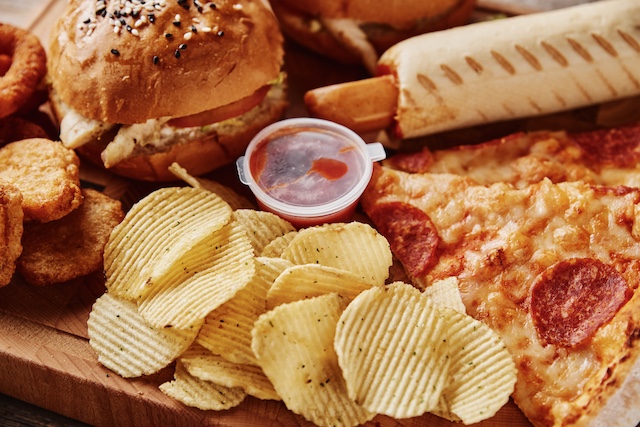
Ultra-Processed Food Intake Linked to Higher Risk of Binge Eating in Adults Living with Obesity
Key Takeaways:
- Higher consumption of ultra-processed foods was associated with increased symptoms of binge eating, bulimia-related behaviours, and emotional or uncontrolled eating in adults living with obesity.
- Individuals consuming the greatest proportion of ultra-processed foods had poorer overall diet quality and significantly lower protein intake.
- The findings suggest that addressing eating behaviour patterns alongside dietary composition may be important when supporting people living with obesity.
Rising consumption of ultra-processed foods during nutritional transition
A cross-sectional study published in Archives of Endocrinology and Metabolism has explored the relationship between ultra-processed food (UPF) intake and eating behaviour among adults living with obesity in São Paulo, Brazil.
The research was conducted against the backdrop of a broader nutritional transition that has been occurring in many developing countries. Economic development, demographic changes, cultural shifts, and evolving food systems have led to major transformations in dietary patterns.
While these changes have contributed to reductions in malnutrition and infectious diseases, they have also been accompanied by a marked increase in noncommunicable diseases such as obesity. A key driver of this shift has been the growing consumption of highly processed foods that are rich in fat, sugar, and refined ingredients.
Previous research has linked high consumption of ultra-processed foods to a range of adverse health outcomes, including obesity, overweight, type 2 diabetes, metabolic syndrome, cardiovascular and cerebrovascular disease, anxiety, depression, and increased all-cause mortality.
There is also emerging evidence that ultra-processed foods may influence eating behaviour itself. Some studies suggest that these foods may affect neurobiological and endocrine pathways that regulate appetite, potentially encouraging compulsive overeating.
Disordered eating patterns are also known to occur among individuals living with obesity. These patterns can complicate treatment and may reduce the effectiveness of weight management interventions. Understanding how ultra-processed food consumption interacts with eating behaviour is therefore clinically important.
Study design and participant characteristics
To explore this relationship, researchers recruited adults aged 18 to 59 years living with obesity, defined as a body mass index (BMI) of 30 kg/m² or higher. Participants were recruited both through a clinical obesity treatment service and via social media in São Paulo.
Several exclusion criteria were applied to minimise confounding factors. Individuals were excluded if they were pregnant or had diagnosed eating disorders, cardiac disease, renal disease, obesity caused by genetic disorders, or if they were taking antiepileptic medications or corticosteroids. People who smoked, misused alcohol, or were currently receiving pharmacological treatment for weight loss were also excluded.
Dietary intake was assessed using three non-consecutive 24-hour dietary recalls, including one weekend day. Researchers used the multiple-pass method, a structured interview approach designed to improve the accuracy of dietary reporting.
Foods reported in the recalls were categorised using the NOVA classification system, which groups foods according to the degree of industrial processing. Diet quality was assessed using the Diet Quality Index associated with the Digital Food Guide.
Eating behaviour was evaluated using validated self-administered online questionnaires:
- BITE (Bulimic Investigatory Test Edinburgh) – measuring symptoms and severity of bulimia and binge eating
- TFEQ-21 (Three-Factor Eating Questionnaire) – assessing cognitive restraint, emotional eating, and uncontrolled eating
- DEBQ (Dutch Eating Behaviour Questionnaire) – evaluating external eating, emotional eating, and restrained eating
Associations between ultra-processed food intake and eating behaviours were analysed using generalised linear models.
Prevalence of unusual eating behaviours
A total of 77 adults took part in the study. Of these participants, 78 percent were female.
The mean age of the group was 36 years, and the average BMI was 39.14 kg/m², corresponding to class II obesity.
Participants were divided into three groups based on the proportion of calories derived from ultra-processed foods:
- First tertile – less than 24.1 percent of calories from UPFs
- Second tertile – 24.1 percent to 35.4 percent
- Third tertile – more than 35.4 percent
Only around one quarter of participants displayed what researchers classified as normal eating behaviour.
In contrast:
- Approximately 52 percent exhibited unusual eating behaviour
- 23.4 percent reported binge eating
Symptoms consistent with unusual eating behaviours were observed across all tertiles of ultra-processed food consumption. However, participants in the highest UPF tertile showed significantly higher symptom scores on the BITE questionnaire compared with those in the lowest tertile.
Despite this difference in symptom scores, severity scores did not significantly differ between groups.
Overall, 40.3 percent of participants had clinically significant symptoms, while 13 percent were classified as having severe symptoms.
Eating style patterns associated with UPF intake
The study also examined several different eating style patterns.
Using the DEBQ questionnaire, researchers found that:
- 37.8 percent of participants had elevated external eating scores
- 36.5 percent had elevated emotional eating scores
- 25.7 percent had elevated restrained eating scores
Results from the TFEQ-21 questionnaire revealed:
- 52 percent had higher emotional eating
- 29.3 percent demonstrated increased cognitive restraint
- 18.7 percent showed higher uncontrolled eating
Higher intake of ultra-processed foods was positively associated with several problematic eating behaviours.
These included:
- Binge eating and bulimia-related symptoms measured by BITE
- Emotional eating
- External eating
- Uncontrolled eating
Together, these results suggest that people consuming larger amounts of ultra-processed foods were more likely to display eating behaviours characterised by reduced self-regulation and greater responsiveness to emotional or environmental triggers.
Diet quality and macronutrient intake
Across the overall study population, diet quality was classified as intermediate.
Participants in the highest ultra-processed food tertile had significantly lower diet quality scores than those in the lower tertiles.
Clear dietary differences were also observed between groups.
Participants in the lowest tertile consumed a higher proportion of unprocessed or minimally processed foods, whereas those in the highest tertile consumed more ultra-processed foods.
Interestingly, individuals in the first and second tertiles reported greater intake of processed culinary ingredients, such as oils or sugars used in cooking, compared with those in the third tertile.
The average macronutrient distribution across the entire sample was:
- 20 percent protein
- 48 percent carbohydrates
- 32 percent lipids
Participants in the highest UPF tertile had significantly lower protein intake than those in the other groups. Carbohydrate and lipid intake did not differ significantly between tertiles.
Median total daily caloric intake across the sample was 1,661 kcal. However, participants in the highest UPF tertile reported higher caloric intake than those in the second tertile.
Researchers suggested that lower protein intake associated with higher UPF consumption may influence satiety and appetite regulation, potentially contributing to overeating.
Clinical implications and study limitations
Overall, the study found that more than half of adults living with obesity exhibited unusual eating behaviours.
Higher intake of ultra-processed foods was associated with:
- Binge eating
- Bulimia-related symptoms
- Emotional eating
- External eating
- Uncontrolled eating
In addition, greater consumption of ultra-processed foods was linked to poorer diet quality and reduced protein intake.
These findings suggest that obesity treatment strategies may benefit from incorporating both dietary assessment and evaluation of eating behaviour patterns. Addressing behavioural drivers alongside nutritional composition could potentially improve weight management outcomes.
However, the authors emphasised several important limitations.
Because the study used a cross-sectional design, it cannot establish cause-and-effect relationships. The research was also conducted within a single clinical population in one urban centre, which may limit the generalisability of the findings.
In addition, dietary recalls and questionnaires were self-reported, which may introduce recall bias or social desirability bias. The relatively small sample size and predominantly female participant group may also affect the applicability of the results to broader populations.
Nevertheless, the study highlights the importance of considering ultra-processed food consumption within a wider behavioural and nutritional context when addressing obesity and supporting individuals in weight management.
Read More
Economic Survey Urges Tougher Action on Ultra-Processed Foods as Obesity and Heart Disease Risks Rise in India
Key Takeaways:
- India’s Economic Survey links rising consumption of ultra-processed foods with increasing risks of obesity, heart disease, diabetes and mental health conditions.
- The survey recommends stronger policy measures, including higher taxes, stricter labelling and limits on advertising, particularly to protect children and young people.
- Rapid growth in ultra-processed food sales has coincided with a marked rise in overweight and obesity rates across adults and children in India.
Growing concern over ultra-processed food consumption
India’s latest Economic Survey has flagged the rapid growth in the consumption of ultra-processed foods and its implications for public health, recommending that the government consider increasing taxes on products that exceed defined nutritional thresholds, alongside a broader package of regulatory measures.
Tabled in Parliament, the survey draws attention to mounting evidence linking ultra-processed foods with poorer diet quality and higher risks of obesity, diabetes, heart disease and mental health conditions.
“There is a growing body of evidence on the impact of UPFs on human health, indicating that there should be no delay in implementing public health policies while further research continues to unfold,” the survey said.
What are ultra-processed foods?
Ultra-processed foods are industrially manufactured products that undergo multiple stages of processing and typically contain additives not commonly used in home cooking. These include preservatives, flavour enhancers, emulsifiers, colours and sweeteners.
They are generally high in fat, sugar and salt, while being low in fibre and essential nutrients. Common examples include packaged snacks, instant noodles, sugary drinks, reconstituted meat products and ready-to-eat meals.
Rising obesity across adults and children
The survey highlights concerning trends in overweight and obesity across India’s population. According to the National Family Health Survey 2019–21, 24 percent of women and 23 percent of men are living with overweight or obesity. Among women aged 15–49 years, 6.4 percent are living with obesity, compared with 4 percent of men.
Excess weight among children under five has also increased, rising from 2.1 percent in 2015–16 to 3.4 percent in 2019–21.
Looking ahead, the survey warns that the scale of the problem is likely to grow substantially. It cites estimates that more than 33 million children in India were living with obesity in 2020, with this figure projected to rise to 83 million by 2035.
A rapidly expanding market
India has emerged as one of the fastest-growing markets for ultra-processed foods. The survey notes that sales increased by more than 150 percent between 2009 and 2023, while retail sales rose from around $0.9 billion in 2006 to nearly $38 billion in 2019, representing a forty-fold increase.
“It is during the same period that obesity nearly doubled in both men and women,” the survey said.
Health and economic costs
Drawing on evidence from the Lancet Series on Ultra-Processed Foods and Human Health, the survey reports that high intake of ultra-processed foods is associated with obesity, heart disease, diabetes, respiratory conditions and mental health disorders.
Beyond health impacts, it notes substantial economic consequences, including higher healthcare spending, productivity losses and long-term fiscal pressures on the health system.
Marketing practices under scrutiny
The survey raises concerns about marketing strategies that encourage overconsumption of ultra-processed foods. These include the use of celebrity endorsements and messaging that presents such products as healthy options.
It highlights evidence showing that children and adolescents exposed to this advertising report greater desire and intention to consume ultra-processed foods.
“Policies have so far focused on advocacy to reduce consumption of foods high in added fats, sugar, and sodium, many of which are UPFs. However, improving diets cannot depend solely on consumer behaviour change; it will require coordinated policies across food systems that regulate UPF production, promote healthier and more sustainable diets and marketing,” the survey said.
Existing policies and regulatory gaps
The Economic Survey refers to the National Multi-sectoral Action Plan for non-communicable diseases, which set a target to halt the rise in obesity by 2025. Proposed measures include front-of-pack labelling and restrictions on advertising foods high in fat, sugar and salt.
It also cites the 2024 dietary guidelines issued by the Indian Council of Medical Research-National Institute of Nutrition, which explicitly warn against the consumption of ultra-processed foods.
However, the survey points to gaps in enforcement. While current advertising rules prohibit misleading claims, they do not define such claims using nutrient-based criteria, allowing companies to continue making broad or vague health and energy claims.
“This regulatory ambiguity highlights a critical policy gap that needs reform,” it said.
Proposed measures, including advertising restrictions
Building on recommendations made in last year’s Economic Survey, the latest report outlines a more detailed set of policy options. These include exploring a time-based ban on advertising ultra-processed foods from 6am to 11pm across all media platforms, including digital channels, and restricting sponsorship of school and college events by manufacturers.
On food labelling, the survey refers to a multi-sector statement endorsed by 29 organisations that supports warning labels rather than rating systems such as health stars. “Studies have shown that warning labels are the most effective option for discouraging UPF consumption,” it said.
The survey also suggests a nutrient-based tax approach, including applying the highest GST slab and an additional surcharge on ultra-processed foods that exceed thresholds for sugar, salt or fat. It proposes that revenues from such taxes be earmarked for public health programmes.
Call for a multi-pronged response
In conclusion, the Economic Survey reiterates that “a multi-pronged approach is necessary” to address the growing burden of diet-related disease. It calls on the Food Safety and Standards Authority of India to clearly define ultra-processed foods, set enforceable standards, strengthen labelling requirements and increase public awareness, particularly among young people.
Taken together, the recommendations reflect a shift towards more assertive regulation of ultra-processed foods as part of India’s wider strategy to curb obesity and reduce the long-term burden of non-communicable diseases.
CCH insights:
India has undergone a typical ‘nutrition transition’ over the past 20 years. Rapid economic growth and development, accompanied by globalisation of food manufacturing and mass access to online advertising, have lead to the adoption of many aspects of the western diet and the associated non-communicable diseases. We applaud the government’s plans to introduce a multi-sectoral action plan to reduce UPF consumption, but we know from other countries that these tend to have limited effects, and UPFs are just one part of a very complex puzzle of rising obesity rates.
Read More