
Lasting Wearable technology not as effective as previously thought
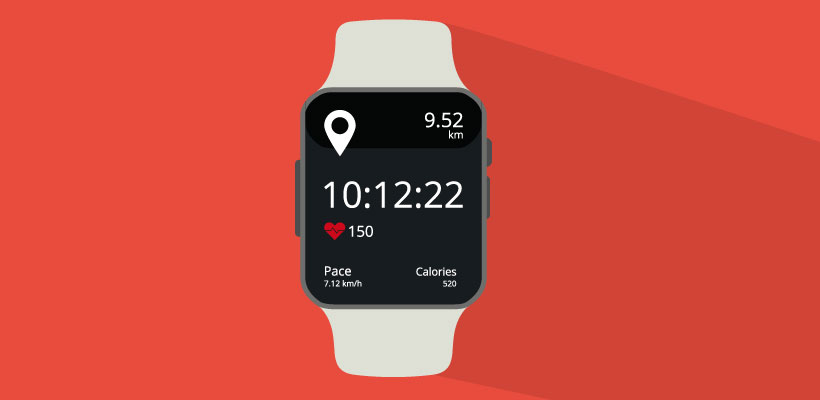
A recent study has concluded that wearable devices that monitor physical activity are not effective for sustaining weight loss. The study followed 470 participants over a 2 year period and found that those who did not use wearable devices showed nearly twice the weight loss benefits at follow-up. All participants were placed on low-calorie diets, given physical activity advice and received group counselling on nutrition, after 6 months half continued the sessions, whilst the others received the devices.
The researchers concluded that wearable devices do not confer an advantage to those looking to lose weight, over those using standard interventions. They further concluded that whilst these devices provided feedback and encouragement, they did not enhance adherence to healthy lifestyles, which is one of the most important aspects of committing to weight loss. The study’s lead researcher, John Jakicic said that ‘these devices should not be relied upon as tools for weight management in place of effective behavioural counselling for physical activity and diet’. Effective long-term treatments are needed for obesity, and rigorous assessment of current management plans must continue, as is the case with this study.
Read More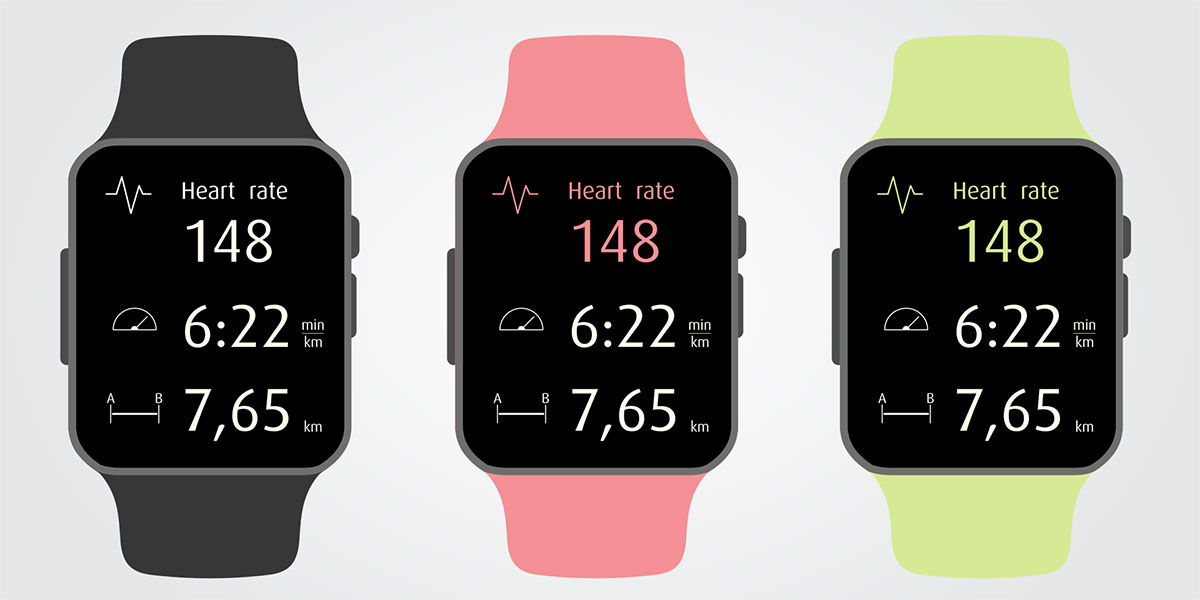
Wearable fitness monitors don’t influence physical activity
In a study carried out at Oklahoma State University, which has been accepted for publication in the PHEnex Journal, it was found that wearable fitness monitors do not necessarily motivate exercise. The study consisted of only a small cohort (36 participants) of Physical Education students. In the study, participants were given a monitor which they were told would capture the amount of sunlight that they receive each day. They were then later given a monitor which they were told would track the number of steps that they took each day. Both monitors were actually measuring how active each of the study participants were.
Interestingly, it was found that the students’ activity levels didn’t change with the monitoring. Clarkson University Associate Professor of Physical Therapy & Physician Assistant Studies Ali Boolani who was conducting the study, with Oklahoma State University Associate Professor of Physical Education Timothy Baghurst, said that as physical education students “they should be modeling good health. This shows you, don’t rely on an exercise monitor as your motivation.” Boolani and Baghurst are keen to develop the study further and explore the activity levels among different professions and university disciplines, in multiple sites.
Read More
The age of the smartphone-controlled diet
Smartphones could soon be telling us what to eat and what to avoid whilst shopping in supermarkets. This comes after a study, published in the Journal of Medical Systems, looked at the possible use of Near Field Communication (NFC) in Spain. This is a recently developed technology that allows electronic devices to establish radio communication and share data by simply touching, or even being in close proximity (typically 10cm).
The researchers aimed to make choosing food for overweight children at the supermarket an easier experience for parents by tagging food with nutritional data, such as energy and fat content; when an interaction is made with the mobile phone, a notification will inform them whether it is appropriate for the users diet or not. Once a suitable diet has been devised according to the user profile, an appropriate shopping list could be developed, making shopping much more efficient! The system also takes into account the physical activity of the user using accelerometers. The study found that time spent in the supermarket was reduced by parents using the system and the quality of the food and drinks being bought was increased.
Read More