
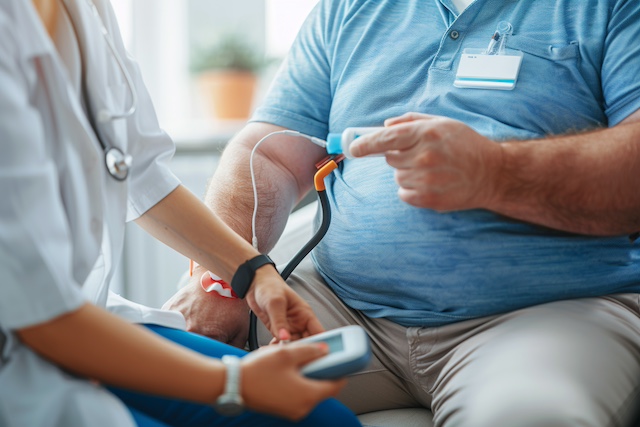
Research shows expanding access to obesity treatments could save thousands of lives annually in the US
A new study led by researchers from Yale School of Public Health and the University of Florida has uncovered the life-saving potential of expanding access to newly developed, highly effective weight-loss medications. According to the findings, providing broader access to these treatments could prevent over 40,000 deaths annually in the United States.
The research sheds light on the urgent need to remove the barriers that are preventing people from accessing these medications, which are crucial for public health efforts to tackle the growing obesity crisis. According to the U.S. Centers for Disease Control and Prevention (CDC), approximately 74% of Americans live with overweight, and of these individuals, around 43% meet the criteria for obesity.
The widespread impact of obesity on health is well established. It exacerbates serious medical conditions, including type 2 diabetes, cardiovascular diseases, and certain cancers. Despite the significant health risks, the development and widespread availability of highly effective treatments for obesity have been limited. However, recent breakthroughs in pharmaceuticals, especially with the introduction of glucagon-like peptide-1 (GLP-1) receptor agonists—such as Ozempic and Wegovy—and the newer dual gastric inhibitory polypeptide and GLP-1 (GIP/GLP-1) receptor agonists, such as tirzepatide, have revolutionised the management of obesity. These drugs have shown impressive efficacy in weight loss, both in clinical trials and in real-world usage.
In their study, the researchers sought to quantify the potential impact on mortality if access to these medications were expanded. They analysed mortality risk data across different body mass index (BMI) categories, the prevalence of obesity, and current limitations in access due to the high cost of these drugs and insurance coverage restrictions.
The findings suggest that expanding access to these medications to all eligible individuals in the U.S. could prevent as many as 42,027 deaths annually. Among these, approximately 11,769 lives could be saved in individuals living with type 2 diabetes, who are particularly vulnerable to the health complications associated with obesity. Even under current conditions of limited access, the researchers estimate that around 8,592 lives are being saved each year, primarily among those with private insurance.
A key issue highlighted by the study is the disparity in access to these life-saving medications. Currently, the high cost of these treatments—often exceeding $1,000 per month without insurance—means that many people are unable to afford them. For example, Medicare, one of the largest insurance providers for older adults in the U.S., does not cover these medications for weight loss, leaving many people without access. Similarly, Medicaid coverage varies significantly by state, and private insurance often comes with high deductibles and copayments, further limiting accessibility.
“Expanding access to these medications is not just a matter of improving treatment options but also a crucial public health intervention. Our findings underscore the potential to reduce mortality significantly by addressing financial and coverage barriers,” explained Alison P. Galvani, one of the study’s corresponding authors and the Burnett and Stender Families Professor of Epidemiology (Microbial Diseases) at the Yale School of Public Health.
The study also delved into the regional and socioeconomic impacts of expanded drug access. States with particularly high rates of obesity and diabetes, such as West Virginia, Mississippi, and Oklahoma, could see the greatest benefits. Expanding access to these medications in these regions could lead to the largest per capita reductions in mortality.
However, the researchers caution that several challenges need to be addressed before the full potential of these treatments can be realised. The high price of the medications remains a substantial barrier, and concerns have been raised regarding the pharmaceutical industry’s profit margins. Additionally, supply shortages and manufacturing limitations continue to hinder widespread availability.
“Addressing these challenges requires a multifaceted approach,” noted Dr. Burton H. Singer, PhD, another corresponding author of the study and adjunct professor of mathematics at the Emerging Pathogens Institute at the University of Florida. “We need to ensure that drug prices are more aligned with manufacturing costs and increase production capacity to meet demand. At the same time, we must tackle the insurance and accessibility issues that prevent many people from getting the treatment they need.”
The researchers also examined the role of socioeconomic factors in the effectiveness of expanded drug access. Adjusting their estimates to account for income disparities, they still found that expanding access could save a significant number of lives. The study’s findings indicate that improving access to these treatments could not only reduce the healthcare costs associated with obesity-related conditions but also enhance the overall quality of life for many individuals.
The study, published in the Proceedings of the National Academy of Sciences, highlights the critical importance of improving access to these treatments as part of a comprehensive public health strategy to combat the obesity epidemic.
Read More
Study reveals worse midlife health among US adults compared to British counterparts
American adults in midlife experience significantly poorer health compared to their British counterparts, especially in terms of cardiovascular health markers, according to a comprehensive new study. The research, involving scholars from Oxford’s Leverhulme Centre for Demographic Science, was published in the International Journal of Epidemiology.
The study meticulously examined various health indicators such as smoking habits, weight, cholesterol levels, and blood pressure among adults aged 33 to 46 in both the United States and the United Kingdom. The findings highlighted that American adults generally face poorer cardiovascular health and higher rates of obesity than their British peers. Moreover, the study found that disparities in health outcomes by socioeconomic status are more pronounced in the United States. For several health conditions, including hypertension, high cholesterol, and obesity, even the most socioeconomically advantaged individuals in the US displayed health outcomes that were on par with or worse than those seen among the most socioeconomically disadvantaged groups in Britain. In contrast, British adults, despite showing better physical health metrics overall, reported lower subjective assessments of their health and were more likely to smoke.
Professor Jennifer Dowd, a co-author of the study and Deputy Director of the Leverhulme Centre for Demographic Science and Oxford Population Health’s Demographic Science Unit, remarked, “Despite the worse health of American compared to British adults in midlife, higher rates of smoking and growing obesity levels in Britain show that there is room for improvement in both countries. Worsening health trends in the US could serve as a warning for Britain and the need to focus on prevention and the broad social determinants of health.”
The research, a collaborative effort among scholars at University College London’s (UCL) Centre for Longitudinal Studies, Syracuse University, and the University of North Carolina, drew upon data from two key sources: the 1970 British Cohort Study and the Add Health study in the United States. The analysis included data from nearly 10,000 British people born in 1970 and 5,000 American adults born between 1976 and 1983. Researchers measured participants’ blood pressure, cholesterol levels, Body Mass Index (BMI), and glucose levels, while also gathering self-reported information on smoking habits and overall health assessments.
Dr Charis Bridger Staatz, the study’s lead author from UCL’s Centre for Longitudinal Studies, noted, “Our new research shows that although British adults are more likely to believe that their health is poor, they tend to have better cardiovascular health than their US counterparts in midlife. While we were unable to directly investigate the causes of this, we can speculate that differences in levels of exercise, diets, and poverty, and limited access to free healthcare may be driving worse physical health in the USA. Given political and social similarities between the US and Britain, the US acts as a warning of what the state of health could be like in Britain without the safety net of the NHS and a strong welfare system.”
Dr Andrea Tilstra, another co-author and Marie Skłodowska-Curie Research Fellow at the Leverhulme Centre for Demographic Science and Demographic Science Unit, added, “The unique combination of high inequality and a weak welfare state in the US may prove harmful for all groups throughout the life course. Even for the more advantaged in the US, the associated costs of healthcare are still substantial. Our paper highlights the opportunity to better understand the factors influencing health in both populations by comparing similarities and differences in policies and other environmental contexts.”
The full article, titled ‘Midlife Health in Britain and the United States: A Comparison of Two Nationally Representative Cohorts,’ is available in the International Journal of Epidemiology.
Read More
China initiates comprehensive three-year strategy to combat obesity epidemic
China has launched a three-year public initiative aimed at improving weight management to address the escalating issue of obesity within its populace. This initiative involves a collaborative effort among the National Health Commission (NHC), the Ministry of Education, the Ministry of Civil Affairs, and 13 additional governmental departments. These bodies have collectively issued a detailed strategy that is set to commence this year.
The primary objectives of this initiative include heightening public awareness regarding effective weight management strategies and fostering an environment conducive to healthy living nationwide.
According to the newly released strategy, there is a targeted focus on enhancing the weight status of various demographic groups, including pregnant women, young adults, children, the elderly, and workers in certain occupational sectors.
Guo Yanhong, who heads the NHC’s Health Emergency Response Office, highlighted the urgent need for this campaign given the rising rates of obesity. The comprehensive plan suggests that employers should enhance facilities to encourage physical activities at workplaces.
Furthermore, the initiative seeks to boost physical activity among students by promoting the establishment of health-conscious dining facilities within schools and ensuring students engage in at least one hour of physical exercise during and after school each day. There is also a push to decrease the availability of high-salt, high-sugar, and high-fat foods on school premises.
The strategy supports incorporating traditional Chinese medicinal practices into weight management regimes and advocates for a shift towards “healthy consumption” habits. This includes modifying food processing methods to bolster nutritional content while reducing the levels of oil, salt, and sugar in processed foods.
Recognising the link between body weight and overall health, the NHC points out that obesity often predisposes individuals to chronic diseases such as metabolic syndromes, cardiovascular diseases, and certain cancers. A pivotal goal of this campaign is to preemptively address these health issues by focusing on holistic wellness rather than merely treating diseases. The campaign also aims to include support for underweight individuals and those suffering from malnutrition.
In addition to dietary and exercise recommendations, the action plan calls for the adoption of advanced technology. It recommends the development and use of intelligent wearable devices that can monitor weight and other health metrics effectively. The integration of big data and artificial intelligence is also encouraged to tailor personal health management plans.
This announcement was made shortly after China’s approval of the widely acclaimed weight loss drug Wegovy, manufactured by Novo Nordisk. Following the endorsement by China’s National Medical Products Administration, Novo Nordisk is set to market its injectable weight-loss medication within China, where approximately 16.4% of the population is currently considered overweight.
This approval has sparked a surge in the demand for weight loss pharmaceuticals in China, prompting several companies to develop medications akin to Novo Nordisk’s Ozempic and Wegovy.
Read More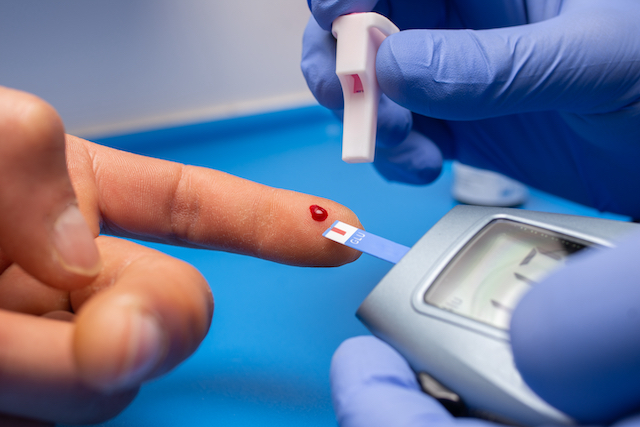
Substantial rise in individuals at risk of type 2 diabetes in England, NHS reports
In a striking development reported by the NHS, the number of people in England identified as being at risk of developing type 2 diabetes has surged by over half a million in just one year. According to the latest data from the National Diabetes Audit, the figures for those diagnosed with non-diabetic hyperglycaemia, commonly referred to as pre-diabetes, rose from 3,065,825 in 2022 to 3,615,330 in 2023—an increase nearing 18%.
The increase is particularly pronounced among the younger population under the age of 40, witnessing a surge of almost 25% from 173,166 in 2022 to 216,440 in 2023. This early identification is pivotal as it allows the NHS to intervene sooner with diagnoses and preventive measures to halt the progression of the condition.
Individuals identified with non-diabetic hyperglycaemia exhibit elevated blood glucose levels that, although not high enough to warrant a diabetes diagnosis, significantly increase their risk of developing type 2 diabetes and cardiovascular diseases. This condition is often detected during routine blood tests at GP surgeries.
To counteract this trend, the NHS has implemented several innovative measures aimed at preventing type 2 diabetes and reducing obesity rates. This includes the internationally acclaimed Healthier You NHS Diabetes Prevention Programme, which, thus far, has enrolled over 1.6 million people. This nine-month intervention offers personalised support, focusing on healthy eating, lifestyle changes, enhanced physical activity, and weight management.
The implications of developing type 2 diabetes are severe and widespread, affecting not only the individual’s health but also placing a considerable strain on families and NHS resources. It is a leading cause of preventable sight loss among working-age individuals and contributes significantly to kidney failure, lower limb amputation, and an increased risk of heart attacks, strokes, and certain types of cancer.
NHS Chief Executive, Amanda Pritchard, highlighted the critical nature of these findings, stating, “These figures are concerning but they show exactly why the NHS is taking radical action to stem the tide of rising levels of obesity and type 2 diabetes – through our world first prevention programme and our soup and shakes diets. Type 2 diabetes is a growing problem for patients and not only is it linked to kidney failure, amputation, heart attack, stroke and many of the common types of cancer, it also adds pressure to NHS services. Doing nothing is not an option for the NHS, so we will continue to develop services that support people at risk of developing type 2 diabetes to lead healthier lives. If you are worried about developing the condition, please do come forward and get the help you need.”
In England, approximately 90% of individuals with diabetes have type 2. The risk factors are diverse, encompassing genetics, ethnicity, and lifestyle factors such as obesity.
Moreover, the NHS has dedicated £14.5 million to support up to 140,000 young individuals aged 18 to 39 with additional tailored health checks and diabetes management support. This initiative, dubbed ‘T2Day: Type 2 Diabetes and the Young’, offers enhanced one-to-one reviews and access to innovative treatments to better manage their condition and prevent complications.
Dr Clare Hambling, National Clinical Director of Diabetes and Obesity at NHS England, remarked, “Type 2 diabetes in people under 40 is a growing problem globally – England is no exception, meaning there is an ever-increasing challenge for the NHS – which is why we developed this world-first targeted support for these high-risk people living with diabetes.”
Additionally, a new expansion of the NHS Type 2 Diabetes Path to Remission Programme aims to help more than 10,000 individuals with type 2 diabetes and obesity to lose weight and improve their health. This national programme is set to double its capacity this year, building on the success of over 23,000 people who have already participated since its inception in 2020.
The NHS in England currently allocates approximately £10 billion annually, about 10% of its total budget, to manage diabetes. This figure complements the £6.5 billion spent annually on obesity treatments. Following the disruptions caused by the COVID-19 pandemic, NHS England has also provided £36 million to help local teams restore diabetes services to pre-pandemic levels.
The NHS Long Term Plan continues to outline crucial strategies aimed at reducing disparities in service access and improving the quality of treatment and outcomes for individuals living with diabetes, reinforcing the commitment to combat this escalating health challenge.
Read More
Bridging the gap: From obesity research to effective clinical practice
Recent advances in obesity research have considerably deepened our understanding of the condition’s underlying causes and the optimal strategies for its management. Despite these advances, a significant disparity exists in the application of this knowledge within clinical settings. This challenge has been meticulously outlined in the American Heart Association’s (AHA) scientific statement, “Implementation of Obesity Science Into Clinical Practice,” published in the Association’s leading journal, Circulation.
The statement asserts that obesity remains a critical public health issue, both in the United States and globally, affecting nearly all populations and imposing severe strains on healthcare systems. Obesity is a significant risk factor for heart disease, thus hindering progress in reducing heart disease rates. “Obesity is undeniably a critical public health concern in the U.S. and around the world, affecting nearly all populations and straining our health care systems. As a major risk factor for heart disease, obesity has significantly hindered progress in reducing heart disease rates. Despite advancements in understanding the complexities of obesity and newer treatment options, major gaps remain between obesity research and real-world implementation in clinical practice,” explains Deepika Laddu, Ph.D., FAHA, chair of the statement writing committee and senior research scientist at Arbor Research Collaborative for Health in Ann Arbor, Michigan.
The evidence strongly favours intensive lifestyle therapy, which is markedly more effective for weight loss than brief advice from healthcare professionals. However, the more common approach involves offering general educational information rather than directing patients toward specific classes, programmes, or tangible resources that facilitate lifestyle changes. One study highlighted that only 16% of healthcare professionals were knowledgeable about evidence-based lifestyle treatments for obesity, including diet and nutrition, physical activity, and intensive behavioural therapy referral. The barriers to effective weight management are further exacerbated by socioeconomic, racial, and ethnic disparities, with people of diverse backgrounds and those covered by Medicare or Medicaid less likely to be referred to or have weight management programs covered by their insurance.
Globally, the prevalence of obesity has been on the rise for around 30 years. Current estimates from the U.S. Centers for Disease Control and Prevention indicate that more than 40% of U.S. adults aged 20 and older are living with obesity. Research has elucidated the multifactorial causes of obesity, which include sociological and physiological determinants. Treatments have evolved to include more effective strategies for lifestyle modifications, medication therapy, and bariatric (weight-loss) surgery. Despite these advancements, each treatment approach faces its own set of challenges.
“Significant strides have been made in advancing the science to help us understand obesity, yet there remains a considerable gap between what we know and what happens in the doctor’s office,” Laddu observes. She emphasises the need for healthcare professionals and systems to better incorporate cutting-edge knowledge about obesity into practical applications so that more individuals can access appropriate support and treatment. This might include adopting new technologies and telemedicine, making referrals to community-based weight management programmes, providing social support, and enhancing the reach and access to treatments.
The statement discusses the FDA-approved Glucagon-like peptide-1 (GLP-1) agonists, such as high-dose semaglutide and tirzepatide, which are associated with an average weight loss of more than 10% at six months in clinical studies. Despite a large portion of the adult U.S. population meeting the BMI criteria for obesity and being eligible for these medications, a relatively small percentage currently use them. The historical lack of insurance coverage and high costs were significant barriers until recent policy changes by the Centers for Medicare and Medicaid Services allowed for the coverage of anti-obesity medications like semaglutide.
Weight loss surgery, or bariatric surgery, has seen improvements in safety, expertise, and understanding of its health benefits. A comprehensive review of studies on weight loss surgeries indicated that patients undergoing these procedures experienced lower risks of cardiovascular disease and reductions in other obesity-associated conditions such as Type 2 diabetes and high blood pressure. However, ensuring that the populations most in need have access to bariatric surgery remains a challenge due to cost, resource availability, and social support factors.
The statement further elaborates on the need for a comprehensive approach to obesity care, highlighting strategies to improve integration of obesity science into clinical practice and to develop solutions that manage obesity at the community level. The importance of education for healthcare professionals on the complex origins and clinical consequences of obesity is discussed, alongside the necessity for health policy changes to make obesity treatment more affordable, particularly for high-risk patients.
Specific approaches are highlighted in the statement to help bridge the gap between the science about obesity and clinical care, such as:
- To reach and successfully impact populations in need, healthcare professionals may consider how social determinants of health, including insurance type, household income, race and ethnicity, environment, health literacy, access to health-promoting resources, and social supports all influence the likelihood of successful patient treatment.
- Education for healthcare professionals explaining the complex origins and clinical consequences of obesity is discussed. Such training should emphasise information about diagnosis, prevention, and treatment of obesity. Despite the high prevalence of obesity around the world, there is a lack of education programmes centred on obesity for medical professionals.
- Further evaluation of health policy changes that healthcare systems and insurance plans can implement and scale in order to make obesity treatment affordable for patients, especially those at high risk for adverse outcomes such as cardiovascular disease.
- A framework for delivering obesity care into clinical practice settings is reviewed, as well as efforts by some professional societies for developing interventions that make obesity treatment more accessible.
“The statement emphasises the importance of a comprehensive approach across different levels of health care delivery and public policy, along with the adoption of feasible, evidence-based strategies in clinical settings,” said Laddu. “It also underscores the need for future research and policy changes to improve current patient care models and ensure equitable access to obesity-related care for people in underrepresented groups.”
The scientific statement also provides possible solutions for how to help people in their day-to-day lives, including interventions with digital technology and access through telemedicine. However, more research is needed in obesity science and treatment. Limited understanding of the cost-effectiveness of obesity prevention and the long-term health outcomes for established therapies has hindered the implementation of obesity science into clinical settings. Cross-collaborative obesity science research between stakeholders and health economists may serve as the bridge to developing and scaling cost-effective prevention programmes.
Further research into Food Is Medicine approaches in health care, such as medically tailored meals and produce prescriptions, to prevent and treat cardiovascular disease and other diet-related diseases are also being explored in several settings including the Association’s Health Care by FoodTM initiative.
This scientific statement was prepared by a dedicated volunteer group on behalf of various AHA councils, highlighting the critical need for increased awareness and informed healthcare decisions regarding obesity. While it outlines current knowledge and research needs, it refrains from making specific treatment recommendations, which are covered in the AHA’s official guidelines. This comprehensive approach underscores the necessity of closing the gap between advanced obesity research and its practical application in healthcare.
Read More
Obesity linked to lower productivity in the UK, think-tank reports
According to a detailed analysis released by the Institute for Public Policy Research (IPPR), obesity is a major factor contributing to reduced workplace productivity and increased economic inactivity in the UK, highlighting an urgent need for policy intervention. The report underscores that a significant number of individuals are either unable to work or are operating below their capacity due to being severely overweight. This condition has been identified as a contributing factor to the UK’s historically high sickness-related economic inactivity rates.
The IPPR criticises the current governmental approach that frames obesity primarily as an individual’s responsibility. It argues for a comprehensive policy overhaul that addresses factors like workplace conditions, urban planning, and flaws in the national food system. The think-tank’s call to action suggests these reforms are necessary to mitigate the obesity epidemic.
The report references data indicating that the UK holds the third-highest obesity rate among OECD countries, with approximately 25% of adults affected, trailing only the United States and Chile. Drawing on findings from Frontier Economics, the IPPR highlights the substantial economic burden of obesity, estimating its cost to the UK at around £98 billion annually. This figure includes significant losses in productivity.
Post-pandemic trends have exacerbated concerns, with the number of people economically inactive due to long-term sickness reaching unprecedented levels, thereby intensifying the need for effective solutions. The IPPR’s research indicates a correlation between geographical areas with high obesity rates and those with elevated levels of economic inactivity, particularly in regions with poor public health infrastructure.
Jamie O’Halloran, a senior research fellow at IPPR, points out that England’s economically disadvantaged regions are disproportionately affected by the obesity crisis, which in turn impedes the national economy. An alarming find in the study is that the most economically inactive parliamentary constituencies with obesity are predominantly located in Northern England, while the South shows the opposite trend.
The link between obesity and poverty is also stressed in the IPPR study, showing a higher prevalence of severe obesity in England’s most deprived areas. This complex relationship raises questions about whether obesity leads to economic inactivity or if the causality is reversed, or perhaps a mix of both factors.
The economic impact of obesity is further quantified by higher rates of sickness absence among the severely overweight, leading to productivity losses. Public opinion polls conducted for the IPPR reveal strong support for governmental action, with majorities favouring increased taxes and regulations on the production and sale of ultra-processed foods.
Highlighting the failure of laissez-faire public health policies, O’Halloran advocates for a robust regulatory framework to promote healthier dietary choices through fiscal policies and educational initiatives. He calls for a rejuvenation of institutional roles in regulating unhealthy food, advocating for subsidies to make healthier options more economically accessible, and for increased investment in the National Health Service (NHS), local authorities, and education to elevate health as a foundational pillar of national prosperity.
Responding to the challenges outlined in the report, the UK government acknowledges the financial strain obesity places on the NHS, costing approximately £6.5 billion annually. It outlines measures already in place, such as the Soft Drinks Industry Levy, which reportedly prevented around 5,000 obesity cases. Further interventions include mandatory calorie counts on menus and supermarket layout restrictions to reduce impulse purchases of unhealthy foods.
Additionally, the government has introduced a £2.5 billion Back to Work Plan aimed at assisting over a million people, including those suffering from health conditions linked to obesity, to overcome employment barriers and rejoin the workforce.
Read More
Study reveals pandemic’s role in escalating childhood obesity in Europe
A recent study, spanning 17 European nations and encompassing over 50,000 children surveyed between 2021 and 2023, illuminates the stark consequences of the COVID-19 pandemic on childhood obesity. This period, following the initial global shutdowns in March 2020, witnessed significant shifts in children’s lifestyles, particularly among those aged seven to nine.
The findings reveal a distinct trend towards increased sedentary behaviour, with a notable rise in screen time and a corresponding decline in outdoor activities. Specifically, 36% of children reported spending more time engaging with televisions, online games, and social media during weekdays, while 34% noted increased recreational screen use over weekends. Simultaneously, there was a 28% reduction in outdoor activities during weekdays.
Dr. Kremlin Wickramasinghe, the WHO/Europe’s Regional Adviser for Nutrition, Physical Activity and Obesity, expressed a nuanced view of the data. While some positive developments, such as enhanced family cohesion through increased home-cooked meals and shared meal times, were reported, he also highlighted worrying trends. These include not only the rise in sedentary lifestyles but also a marked decline in children’s happiness and well-being, with 42% feeling less content and one in five children experiencing heightened frequencies of sadness.
The regional disparities underscored by the report prompted Dr. Wickramasinghe to call for immediate action across Europe to address these concerns through the promotion of healthier environments that encourage nutritious eating and physical activity.
Dr. Ana Rito, Head of the WHO Collaborating Centre for Nutrition and Childhood Obesity and co-author of the study, stressed the importance of the findings. She believes that providing tangible evidence of the negative outcomes stemming from pandemic-induced behavioural changes is crucial for preparing more effectively for future health crises. This evidence, she argued, is vital for deploying strategies that are both more sympathetic and more robust.
As the pandemic has accentuated the urgency of tackling childhood obesity, WHO emphasised the need for comprehensive strategies that prioritise healthy eating and physical activity among children. Among the recommended interventions are the implementation of marketing restrictions and taxes on unhealthy food products, the introduction of clear nutritional labelling, and the development of school-based programmes aimed at improving diets and encouraging physical activities.
The report serves as a critical tool, according to WHO, for informing and enhancing current policies, as well as shaping necessary plans to manage future emergencies and pandemics that might disrupt educational processes or lead to school closures. The overarching goal is to ensure that the strides made in combating childhood obesity are not only maintained but accelerated in the face of global challenges.
Read More
Over a billion people now affected by obesity worldwide, comprehensive analysis shows
A groundbreaking analysis published in The Lancet has highlighted a concerning milestone in global health: the number of children, adolescents, and adults living with obesity worldwide has exceeded one billion. This significant finding marks a shift in the nutritional challenges faced globally, with obesity now surpassing undernutrition as the predominant form of malnutrition in the majority of countries.
This detailed examination of global data reveals a stark increase in obesity rates among the world’s youth in 2022, which are now four times higher than they were in 1990. For adults, the increase is equally alarming, with obesity rates more than doubling for women and nearly tripling for men. Specifically, the analysis found that 159 million children and adolescents, along with 879 million adults, were living with obesity in 2022.
Simultaneously, the study reports a decline in the prevalence of underweight individuals since 1990, indicating progress in one area of malnutrition but highlighting the growing concern of obesity. Professor Majid Ezzati of Imperial College London, a leading figure in the study, expressed grave concerns about the obesity epidemic’s expansion into younger demographics and stressed the importance of improving access to healthy, nutritious foods to combat both obesity and undernutrition.
The study, a collaborative effort between the NCD Risk Factor Collaboration (NCD-RisC) and the World Health Organization (WHO), analysed weight and height measurements from over 220 million people aged five years and older across more than 190 countries. This extensive data collection aimed to trace the evolution of obesity and underweight from 1990 to 2022, using Body Mass Index (BMI) as a key measure.
The findings reveal a dramatic rise in obesity rates globally, with significant increases observed in nearly all countries examined. In parallel, there has been a notable decline in underweight rates, shifting the focus of nutritional health challenges.
Regionally, the study provides detailed insights into the prevalence of obesity and underweight. For instance, in Polynesia and Micronesia, as well as in the Caribbean and the Middle East and North Africa, obesity rates have surged, surpassing those in many high-income industrialised countries, particularly in Europe. Specifically, Tonga and American Samoa reported the highest prevalence of obesity among women, while American Samoa and Nauru topped the list for men.
In contrast, the United Kingdom saw its obesity rates climb from 13.8% to 28.3% for women and from 10.7% to 26.9% for men between 1990 and 2022. Similarly, the United States experienced a significant increase in obesity rates, with women’s rates jumping from 21.2% to 43.8% and men’s from 16.9% to 41.6% over the same period.
China and India also witnessed notable increases in obesity rates, albeit from lower baselines. China’s obesity rates rose from 2.0% to 7.8% for women and from 0.8% to 8.9% for men, while India saw increases from 1.2% to 9.8% for women and from 0.5% to 5.4% for men.
Despite these increases, the study also highlighted countries where underweight remains a significant concern, with Eritrea and Timor-Leste for women, and Eritrea and Ethiopia for men, recording the highest prevalence of underweight in 2022.
The study underscores the complex global challenge of addressing both obesity and undernutrition, emphasising the need for comprehensive policy measures and international cooperation to tackle these issues effectively. Despite limitations, such as the imperfect nature of BMI as a measure and variable data availability, the analysis provides a crucial overview of global nutritional trends, highlighting the urgent need for action to create a healthier global population.
Read More
Health experts raise alarm over ‘appalling decline’ in UK child health
In a stark warning to the nation, leading health experts have highlighted an ‘appaling decline’ in the health and wellbeing of the UK’s children, attributing this trend to increasing instances of obesity and tooth decay among the youth. The Academy of Medical Sciences has released a report urging immediate intervention to halt the decline of physical and mental health in children under five years of age across Britain.
Professor Helen Minnis, co-chair of the report and a distinguished academic from the University of Glasgow, has painted a grim picture of the current state of child health in the UK. “We are witnessing a disturbing increase in child mortality rates, with the UK lagging in infant survival compared to its peers. A plethora of preventable physical and mental health issues is afflicting our youngest, which demands prompt and decisive action,” Minnis stated.
The report sheds light on alarming statistics, revealing that over 20% of children aged five have either obesity or overweight. Furthermore, tooth decay has emerged as a prevalent concern, affecting one in four children. The financial repercussions of this health crisis are staggering, with the report estimating the cost to exceed £16 billion annually.
A particularly concerning trend noted in the report is the decline in vaccination rates across the UK, which now fall below the safety benchmarks established by the World Health Organization. This decline poses a significant threat to the nation’s capability to fend off future outbreaks of severe childhood illnesses.
This call to action resonates amid a growing chorus among medical professionals advocating for enhanced access to childhood vaccinations and addressing the rising vaccine hesitancy within certain communities.
The report also forecasts that the issue of child health, particularly the increasing rates of obesity and declining stature compared to international standards, will become a focal point in the forthcoming general election.
The Labour Party has pointed fingers at the current government’s policies for exacerbating health issues among children, particularly highlighting tooth decay as the leading cause of hospital admissions for children between six and ten years of age.
“The evidence is unequivocal: we are failing our children. If we do not place the health of infants and young children at the forefront of our priorities, we risk consigning many to a future of diminished health and unfulfilled potential. The moment to act is now,” Professor Minnis stated emphatically.
The Royal College of Paediatrics and Child Health has backed the report’s findings, describing them as “alarming evidence that the UK is failing too many of its children.”
In response, a government spokesperson defended the administration’s track record, highlighting several measures aimed at improving child health. “Significant steps have been taken, including substantial reductions in sugar content in children’s food, investing over £600 million to enhance the quality of children’s sports, and promoting healthy diets among lower-income families through initiatives like Healthy Start,” the spokesperson noted.
Additionally, the government underscored its investment of an extra £2.3 billion annually into mental health services and pointed to a 14% increase in the number of children seen by NHS dentists in the previous year as evidence of its commitment to reversing the decline in child health.
Read More
The first-ever “Obesity Bill of Rights” has been launched in the USA
In an unprecedented move to address the widespread and deeply rooted issue of obesity, which is the most prevalent and costly chronic disease across the United States, the National Consumers League (NCL) alongside the National Council on Aging (NCOA) have unveiled the nation’s inaugural Obesity Bill of Rights. This initiative, coupled with the establishment of the grassroots movement known as Right2ObesityCare, aims to instigate a profound shift in federal, state, and employer policies. The ultimate goal is to embed these rights within the framework of medical practice, ensuring that individuals with obesity receive comprehensive, non-discriminatory care as per medical guidelines.
Crafted through meticulous consultation with leading obesity experts and receiving endorsements from nearly 40 national bodies dedicated to obesity and chronic disease management, this Bill of Rights articulates eight fundamental entitlements. These entitlements guarantee that individuals with obesity are not only screened, diagnosed, and counselled but also treated in accordance with established medical guidelines. Moreover, it seeks to eradicate the pervasive issues of weight bias, ageism within healthcare settings, and the exclusionary practices of insurance providers and governmental bodies.
Sally Greenberg, the Chief Executive Officer of the National Consumers League, underscored the essence of the Obesity Bill of Rights, stating that it is designed to affirm the entitlement of all adults to quality obesity care. It empowers those afflicted by this disease to challenge and demand appropriate treatment free from any form of discrimination or prejudice, irrespective of their size or weight. Greenberg lamented the historical neglect and stigmatisation faced by individuals with obesity within the healthcare system, which has led to significant barriers in accessing care.
Echoing this sentiment, Patricia Nece, J.D., the Immediate Past Chair of the Obesity Action Coalition, shared her personal struggles with weight-related ridicule, highlighting the societal tendency to overlook the individual behind the weight.
Despite the American Medical Association’s recognition of obesity as a serious disease over a decade ago, a staggering number of American adults living with obesity remain undiagnosed. Out of an estimated 108 million adults, only 30 million have been diagnosed, and a mere 2% of those eligible for anti-obesity medications have received prescriptions. This lack of treatment has dire consequences, not only exacerbating the outcomes of over 230 obesity-related chronic conditions but also contributing to approximately 400,000 premature deaths annually and imposing an estimated $1.72 trillion burden on the U.S. economy.
The Obesity Bill of Rights introduces eight core rights aimed at catalysing transformative change and setting the standards for person-centred, quality care for individuals with obesity:
- The Right to Accurate, Clear, Trusted, and Accessible Information on obesity as a treatable chronic disease.
- The Right to Respect by all members of the integrated care team when screening, counselling, and providing treatment.
- The Right to Make Treatment Decisions about one’s health goals and obesity care in consultation with the individual’s health providers.
- The Right to Treatment from Qualified Health Providers including counselling and ongoing care from health providers with expertise in obesity care.
- The Right to Person-Centred Care that is personalised, respects the individual’s cultural beliefs, meets their specific health goals, and considers the person’s whole health and not just their weight status.
- The Right to Accessible Obesity Treatment from Health Systems, so those with severe obesity receive care in settings that allow for privacy, using size and weight-accessible equipment and diagnostic scans.
- The Right for Older Adults to Receive Quality Obesity Care that comprises a respectful, comprehensive care approach consistent with their personalised medical needs.
- The Right to Coverage for Treatment with access to the full range of treatment options for the person’s disease as prescribed by the individual’s health provider.
Ramsey Alwin, President and CEO of the NCOA, emphasised that these rights are foundational to ensuring that adults with obesity receive informed, respectful care, and comprehensive insurance coverage for treatments deemed necessary by their healthcare providers.
To promote the implementation of the Obesity Bill of Rights, the NCL and NCOA are spearheading the Right2ObesityCare movement. This campaign aims to engage a broad spectrum of stakeholders, including those with obesity, caregivers, health professionals, and policy-makers, through a variety of initiatives such as town halls, workshops, and advocacy forums. Additionally, efforts are underway to draft a model law that would facilitate the incorporation of the Obesity Bill of Rights into state legislation.
Prominent figures, including Rep. Brad Wenstrup and Rep. Gwen Moore, have voiced their support for legislative efforts to enhance obesity care and prevent associated health conditions. Their endorsements highlight the necessity of treating obesity as a chronic disease and ensuring that Americans can access holistic, high-quality care.
The development of the Obesity Bill of Rights was a comprehensive process that involved extensive research, community engagement, and expert consultations. The initiative has garnered initial support from 37 organisations, reflecting a wide endorsement from consumer, ageing, and public health sectors.
This groundbreaking initiative represents a pivotal step towards eradicating the stigma and discrimination faced by individuals with obesity, ensuring they receive the respect, care, and treatment they deserve.
Read More
Study finds some 40% of Chinese children face obesity by 2030
A comprehensive study recently unveiled alarming projections that nearly 40% of Chinese children and adolescents are on track to have overweight or obesity by the year 2030 if current upward trends persist. This pressing issue has prompted calls from experts for immediate action to mitigate the looming health crisis, with proposed strategies including the implementation of a 20% levy on sugar-laden beverages.
The research, which was published in The Lancet Regional Health last month and conducted by a collaborative team from the School of Public Health at Peking University and the United Nations Children’s Fund, highlights the swift rise in obesity rates among the youth in China, pinpointing significant consequent health and financial repercussions.
The study’s forecasts paint a grim picture, estimating a staggering lifetime economic toll of 218 trillion yuan (approximately $31.6 trillion) from 2025 to 2092, attributable to the prevailing rates of obesity among children and adolescents in the absence of intervention strategies.
Zhou Maigeng, Deputy Director of the National Center for Chronic and Noncommunicable Disease Control and Prevention at the Chinese Center for Disease Control and Prevention, stressed that the economic strain posed by the increasing prevalence of children with overweight and obesity is often overlooked, as many related health complications have yet to manifest.
Alarm bells have already been sounded by data concerning adult obesity, which forewarns of the annual costs of chronic diseases linked to excess weight reaching 49 billion yuan by 2030, according to Zhou.
The upward trajectory of childhood and adolescent obesity in China has been startling, with prevalence rates soaring from a relatively modest 8.8% in 2000 to an estimated 37.9% in 2020—an increase of 400% over two decades. This surge has not only eclipsed the global average but also surpassed rates observed in certain Western and upper-middle-income nations. Without decisive action, researchers warn that these figures could exceed 60% by 2030.
In response to this growing public health concern, China has initiated several national interventions aimed at curbing the trend, focusing primarily on enhancing nutrition and physical activity within schools. The proposed introduction of a 20% tax on sugar-sweetened beverages, coupled with tighter restrictions on marketing unhealthy food products to children, has been identified as the most effective course of action.
This recommendation aligns with the World Health Organization’s guidance issued in December, urging nations to adopt or amplify existing taxes on sugary drinks as a measure to safeguard public health. The call to action is supported by evidence from countries like Mexico, South Africa, and the United Kingdom, where such fiscal policies have yielded positive outcomes.
Zhang Man, a researcher at Peking University, emphasised the importance of grounding policy decisions in scientific evidence and underscored the need for ongoing monitoring and evaluation of intervention impacts, suggesting adjustments based on observed results to enhance efficacy.
Read More
UK government criticised for delaying vital anti-obesity policies, endangering children’s health
A recent independent report, commissioned by the UK government, has highlighted the severe risks posed to children’s health in England due to the postponement of crucial anti-obesity measures until 2025. The report underscores the grave consequences of this policy inaction, with children facing an increased risk of diabetes, heart disease, and other severe health issues.
The report points out that ultra-processed foods (UPF) and products high in fat, sugar, and salt (HFSS) have become alarmingly commonplace in children’s diets. This trend is particularly pronounced among lower-income families, who often find it challenging to limit these unhealthy foods. The delay in implementing measures such as the proposed 9pm watershed for junk food advertising and the ban on online ads and unhealthy buy-one-get-one-free deals is exacerbating the issue.
City, University of London, which undertook the government-commissioned research, found that UPFs, along with fatty, sugary, and salty foods, have become a standard component of children’s diets. The report reveals that access to healthy foods like fruits and vegetables is increasingly difficult for many families, especially those with lower incomes. Consequently, children are at a heightened risk of developing long-term health problems, including type 2 diabetes.
The research suggests that families with higher incomes are in a better position to maintain a healthier diet for their children, often avoiding retail environments that promote unhealthy food choices. In contrast, lower-income families find themselves reliant on multi-buy deals and promotions for UPFs, making these unhealthy options appear more economical.
The report’s authors urgently call for the introduction of shelved anti-obesity measures to reduce the appeal of UPF and HFSS and improve access to healthier food alternatives. Recommended actions include expanding access to Healthy Start vouchers, ensuring a living wage that covers the cost of a healthy diet, incorporating fruit and vegetable education in schools, and stricter regulation of misleading health claims on food packaging.
Dr Paul Coleman, one of the study’s authors and a former honorary senior research fellow at City, expressed concern over the early introduction of UPFs in children’s diets. He highlighted the lasting impact these dietary patterns can have into adulthood and their link to serious health outcomes later in life.
Childhood obesity is a significant public health challenge in England, with statistics showing that two in five children leave primary school with overweight or obesity. This puts them at a higher risk of chronic illnesses, mental health problems, and a reduced lifespan.
Katharine Jenner, director of the Obesity Health Alliance, emphasised the urgency for government intervention. She pointed out that parents on low incomes often find it economically risky to purchase healthier foods, such as whole fruits, for their children.
The report also notes that healthier snacks are, on average, three times more expensive per calorie than less healthy options, further complicating the choice for low-income families.
In response, a government spokesperson cited initiatives such as the distribution of fruit and vegetables to school children and voluntary sugar reduction programmes. They also mentioned new calorie labelling requirements in restaurants, cafes, and takeaways, and restrictions on the placement of less healthy products in shops and online to curb impulsive unhealthy purchases. However, these measures fall short of the comprehensive policy action called for in the report.
Read More