

Bariatric surgery may reduce cancer risk in patients with obesity and type 2 diabetes
Research findings derived from a Swedish Obese Subjects (SOS) study, published in Diabetes Care, found that in people with obesity and type 2 diabetes (T2D), bariatric surgery may play a role in cancer prevention. “Durable” remission of T2D is often achieved after weight-loss surgery, further associating it with a reduced cancer risk.
The study examined long-term outcomes after bariatric surgery versus usual care in people with obesity. Researchers examined outcomes of 701 patients with obesity and T2D at baseline. A total of 393 of these patients (mean age, 48.6 years) underwent bariatric surgery while 308 patients (mean age, 50.5 years) received conventional obesity treatment. The investigators analysed cancer events, reported in the Swedish National Cancer Register, over the median follow-up of 21.3 years.
In patients treated with bariatric surgery, the incidence rate for first-time cancer during the follow-up period was 9.1 per 1,000 person-years (95% CI, 7.2–11.5). In contrast, the incidence rate for first-time cancer in patients treated with usual obesity care was 14.1 per 1,000 person-years (95% CI, 11.2–17.7). The incidence rate for first-time cancer diagnosis was significantly lower in the patients treated with bariatric surgery (adjusted hazard ratio [HR], 0.63; 95% CI, 0.44–0.89; P =.008).
Compared with the control group, bariatric surgery was associated with a significantly reduced incidence of cancer in women, (HR, 0.58; 95% CI, 0.38–0.90; P =.016). However, with bariatric surgery in men, there was no similar association (HR, 0.79; 95% CI, 0.46-1.38; P =.0413). Diabetes remission at 10 years follow-up was also associated with a reduction in cancer incidence (HR, 0.40; 95% CI, 0.22–0.74; P =.003).
The ascertainment of diabetes diagnoses was a limitation of the study, which were based on a single time point measurement and/or the use of a diabetes medication. Additionally, the majority of participants in the surgery group had received vertical banded gastroplasty or banding, which is rarely used today. High postoperative mortality following bariatric surgery was reported during the original SOS study.
“In conclusion, with increasing rates of obesity and diabetes worldwide, a greater emphasis on cancer prevention strategies is needed,” the researchers wrote. “Bariatric surgery may greatly reduce the risk of cancer among patients with obesity and diabetes. Durable diabetes remission seems imperative for cancer prevention in patients with obesity and diabetes.”
Read More
Research finds weight loss in boys with obesity improves testosterone levels
A study, published in the European Journal of Endocrinology, and conducted by researchers at both Saint Louis University School of Medicine and University of Buffalo has found that adolescent boys with obesity who lose weight following bariatric surgery improve their testosterone levels.
Sandeep Dhindsa, M.D., a SLUCare endocrinologist and the director of SLU’s Division of Endocrinology, Diabetes and Metabolism, and first author on the paper stated, “Boys with obesity do not achieve sufficient testosterone levels at puberty and weight loss can theoretically improve testosterone. We checked the testosterone levels in boys with obesity who underwent bariatric surgery. Those who lost weight had increased testosterone levels. Those who regained weight had a lowering of testosterone again.”
In the study, researchers evaluated the changes in sex hormones following bariatric surgery in 34 male patients between the ages of 14 to 19. These participants were part of a long-term multi-centre study, the Teen-Longitudinal Assessment of Bariatric Surgery (Teen-LABS). Teen-LABS is the first large study to systematically document the outcome of metabolic bariatric surgery for treatment of adolescents with severe obesity in the United States.
Following surgery the participants were followed for five years. Total testosterone, estradiol, luteinizing hormone, follicle stimulating hormone, sex hormone binding globulin, insulin and glucose were all measured before surgery, six months’ post-operative and annually thereafter.
The study showed that bariatric surgery, in addition to treating obesity and reversing Type 2 diabetes, reversed low testosterone levels.
“Males usually achieve their peak testosterone concentrations at puberty, followed by a gradual decline for the rest of their life. Adolescent males with obesity start off with a lower testosterone. We do not know the long-term effects on fertility and sexual function. Testosterone is also important for muscle and bone growth. Our study provides strong evidence that weight loss can restore normal testosterone concentrations in these boys,” Dhindsa said.
73% of participants had subnormal free testosterone levels prior to surgery. Only 20% had subnormal free testosterone concentrations two years later. That percentage rose to 33% due to regained weight among some participants five years later.
Common causes of low testosterone in adults are ageing, obesity and diabetes. Male adults with obesity have lower testosterone levels than adults who are of a lean weight.
Read More
Obesity raises risk of gum disease
According to new research from the University of Buffalo, chronic inflammation caused by obesity may trigger the development of cells that break down bone tissue, including the bone that holds teeth in place. The study sought to improve understanding of the connection between obesity and gum disease.
The study also found that excessive inflammation resulting from obesity raises the number of myeloid-derived suppressor cells (MDSC), a group of immune cells that increase during illness to regulate immune function. MDSCs, which originate in the bone marrow, develop into a range of different cell types, including osteoclasts, a cell that breaks down bone tissue. This research was published in October in the Journal of Dental Research
Also known as periodontal disease, gum disease affects more than 47% of adults 30 years and older, according to the Centers for Disease Control and Prevention. Bone loss is a major symptom of gum disease and may ultimately lead to tooth loss.
Keith Kirkwood, professor of oral biology in the School of Dental Medicine at the University of Buffalo said the following about the study, “although there is a clear relationship between the degree of obesity and periodontal disease, the mechanisms that underpin the links between these conditions were not completely understood.”
“This research promotes the concept that MDSC expansion during obesity to become osteoclasts during periodontitis is tied to increased alveolar bone destruction,” says Kyuhwan Kwack, postdoctoral associate in the Department of Oral Biology. “Taken together, this data supports the view that obesity raises the risk of periodontal bone loss.”
The findings may shed more light on the mechanisms behind other chronic inflammatory, bone-related diseases that develop concurrently with obesity, such as arthritis and osteoporosis, Kirkwood says.
Read More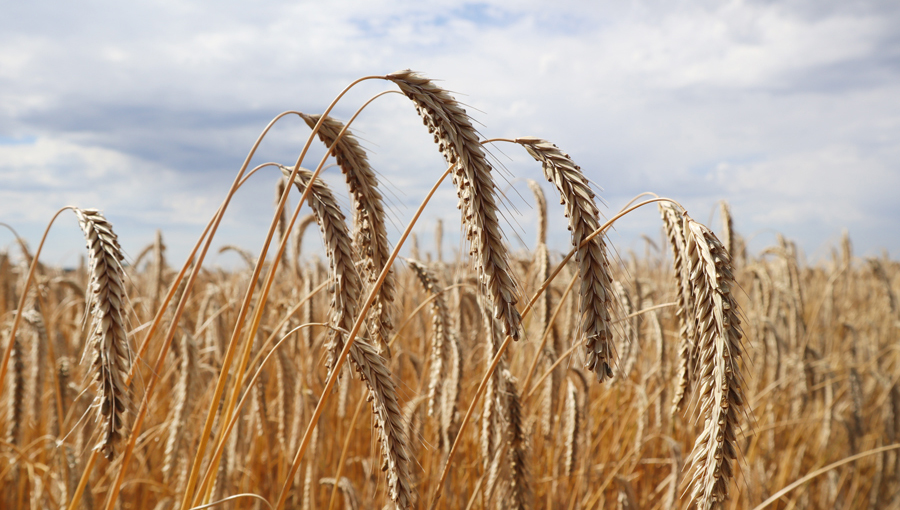
Can rye help reduce weight and obesity?
New research published in Clinical Nutrition has indicated that consuming whole grain rye products can benefit your health greater than refined wheat products. The new study was conducted at Chalmers University of Technology, Sweden. It examined how people lost more body fat and weight when eating a diet with high-fibre products containing whole grain rye, compared to those who ate refined wheat products.
This study is the biggest to look at the consequences of consuming specific grains on body weight and body fat, and the first to examine rye specifically. Scientists have also suggested that obesity is caused by what we are eating, and not by how much.
Researchers analysed 242 men and women with overweight aged from 30 to 70 for 12 weeks. Their weight, body composition, blood samples, and appetite was examined at the start, halfway through, and end of the study. The participants were given a specific daily quantity of either whole grain rye or refined wheat, both with the same energy value, and were given the same guidance from a dietician on how to eat healthily.
Although both the rye and wheat groups lost weight during the study, those who ate rye products lost an average of one kilogram more than those who ate wheat products, with the difference attributable to fat loss.
“Although we saw an overall difference in weight loss between the rye and the wheat group, there was also very large variation within those groups. Increasing our understanding of why different people respond differently to the same foods can pave the way for more specifically tailored diets based on individual needs,” says Rikard Landberg, Professor of Food and Health at Chalmers University of Technology.
Obesity and excess weight are among the biggest health challenges in the world and require many different measures. One idea is to develop foods that contribute to an increased feeling of fullness and have positive effects on metabolism, and previous studies had observed that those who eat rye, which has a very high content of dietary fibre, feel more full than those who eat the corresponding amount of energy in the form of refined wheat.
“But surprisingly,” says Kia Nøhr Iversen, “in this study, we actually never observed any difference in appetite. We think this may be simply because the method we used to measure appetite was not good enough. We are therefore working on evaluating and developing the method further.”
Read More
How does birth weight affect adult obesity in a low resource context?
South Africa is experiencing rapid increases in weight gain across the entirety of its population. Obesity is rising in both males and females, across all ages and socioeconomic groups. Like many other low-middle-income countries, it is experiencing a double burden of malnutrition alongside these high obesity rates. Malnutrition is present in one quarter of children under the age of three, resulting in stunting.
This stunting has been reported to be associated with adulthood disease risk, including obesity. Researchers thus far have not been able to look at this relationship in a low-middle-income country in the same participants by following them from birth into early adulthood. The authors of this study were able to do this for the first time using the Birth to Twenty Cohort which is a longitudinal study of children born in 1990 in South Africa.
Authors found that relative weight gain from birth into adulthood was positively related to fat mass, including both visceral and subcutaneous fat in adulthood. Being stunted at age two was inversely associated with fat-free soft tissue mass (i.e. lean body mass) in adulthood. This finding is analogous to trends that have been shown across Brazil, Guatemala and India.
Read More
What is driving rates of obesity in Chinese boys?
Over recent decades, alongside economic development, China has undergone a rapid nutrition transition that has resulted in a dramatic acceleration of obesity. Unlike other countries across the world, like the USA and UK, where childhood obesity rates have stabilised, the prevalence in China continues to worsen.
This crisis in China is also unique in terms of how it presents between genders. Dissimilar to other countries, obesity is higher in boys than girls. Boys are almost twice as likely to have obesity. Up until now, there has been limited evidence explaining why these unique sex differences have emerged.
Using a cross-sectional national health survey, Wang and colleagues revealed, as would be expected, that adolescent boys were much more likely to have energy intakes exceeding expectations. Importantly however, it found significantly different self-perceptions by sex, with boys much more likely to underestimate their weight and be satisfied with their current health behaviours.
These weight perceptions were supported by mothers, who were more accurate in predicting their daughter’s weight vs those with a son. Clearly, weight-related beliefs in China have a role to play in the increasing – and widening – rates of obesity in children.
Read More
The lasting impact of where we live
The neighbourhoods we live in influence how we behave and ultimately shape our health outcomes. Regardless of how much money an individual earns, if they live in a less-affluent neighbourhood evidence would tell us that they will have poorer health outcomes than if they lived in a more affluent neighbourhood. This effect is particularly strong when looking at obesity and diabetes.
While this has been long understood, little is known about when risk factors emerge in childhood and adulthood in individuals living in socioeconomically different neighbourhoods, and the cumulative effect of disadvantage over childhood. Researchers from Finland set out to answer this question through a population cohort, where participants were measured at repeated intervals for adiposity and behavioural risk factors. By linking postal codes to neighbourhood deprivation scores, researchers assessed the impact of living conditions on diabetes outcomes.
They found that detrimental lifestyle factors by neighbourhood living conditions are present right from childhood and worsen into adulthood. These risk factors accumulate over time to accelerate increased rates of obesity, hypertension and fatty liver by middle age.
Read More
When do trends of inactivity begin?
Physical activity is important for both the current and future health of children. For a long time a belief has been held that children are adequately active with a dramatic decline in behaviour beginning from later adolescence into adulthood. This decline is much more significant in girls then in boys. Based on this understanding, for many years adolescent physical activity has been targeted by both national and international organisations. However, there has been a recent suggestion that declines in activity begin earlier than adolescence.
A group of researchers from Glasgow set out to determine when exactly changes in activity take place. They used a UK longitudinal cohort study from North-East England with data on participants across eight years. In physical activity research, questionnaires have shown to be highly unreliable and inaccurate, but they are often what is used in cohort studies as they are low cost. In this cohort, objective data using accelerometers (electronic monitors that record activity patterns across the day) were used at four separate years, making it a valuable resource to look at changes over time.
The researchers revealed that all trajectories of activity behaviour declined from seven years of age with no indication of a difference by gender. This analysis proves earlier understanding wrong and provides a strong case that policy and intervention efforts should begin well before adolescence.
Read More
Assessment of dietary patterns, physical activity and obesity among older US adults
Obesity in older adults results in premature declines in physical and mental health and cognitive functioning. Evidence shows that the incidence of obesity and chronic diseases are higher in rural areas than in urban areas. Furthermore, more older adults are concentrated in these rural areas. There is limited understanding of the behavioural factors driving increases in obesity in older adults in rural communities. Specifically, if differences in dietary behaviour between rural and urban settings contribute to elevated obesity rates. A study recently published in in PLOS One set out to firstly assess rural-urban differences in obesity rates in older adults, and secondly the relationship with dietary patterns.
Researchers used census data in a sample of respondents aged 65 years of age and above from the USA. Regression models were utilized to investigate if rural-urban disparities in obesity, and associations with risk factors of fruit consumption, green vegetable consumption and physical activity. The results revealed, consistent with earlier evidence, that obesity rates were highest in rural areas. In these rural areas, fruit consumption was the lowest. A negative association between obesity and fruit and green vegetable consumption was observed in urban but not rural settings. These findings illustrate the importance of considering urban-rural status when developing obesity prevention programs and strategies. Interventions need to address the unique barriers experienced between the two settings.
Read More
Predictors of weight gain in school children
Childhood obesity is a growing public health concern given the rising prevalence rates observed in both developed and developing countries. There are a multitude of health-related consequences that worsen into adulthood. Current estimates demonstrate that about 25% of children are overweight or obese. Given that obesity tracks into adulthood understanding why and how it emerges in early life is critical to developing effective preventative efforts.
In the European Journal of Clinical Nutrition, a recent analysis explored predictors of BMI change, overweight and obesity in school children. This was conducted in a prospective manner using a cohort of Irish school children 6-10 years of age. Height and weight were assessed objectively and lifestyle factors through a questionnaire with parents. These measurements were assessed five years apart at baseline and follow-up. Logistical regression models were then run by the researchers to understand the associations.
Initial BMI was the main predictor of subsequent overweight and obesity in schoolchildren, followed by the socioeconomic status of the school. Schools in disadvantaged areas had higher rates of obesity. Alongside this processed food consumption, lower levels of participation in sport clubs and low fruit intake was associated with higher levels of obesity. These findings illustrate the need for programmes aimed at preventing obesity with a focus on early years and disadvantaged communities.
Read More
Access to green space plays a role in the development of diabetes
Socioeconomic characteristics of the urban environments and neighbourhoods are associated with rates of obesity and type 2 diabetes. Access to green space within an individual’s residential area has been shown to be beneficial for health and well-being however, there is limited understanding of the relationship with type 2 diabetes. The aim of this study in the BMJ Open was to investigate the relationship between green space, body mass index (BMI) and type 2 diabetes.
The study examined this relationship in adults (25-74 years of age) in a large German city through the Dortmund Health Study. Researchers used geographical information systems to develop three indicators of green space: proportion of green space, available recreation area per person and distance to the next park or forest. Through regression analyses researchers demonstrated no association between green space and BMI. However, a lack of green space and further distance from parks or forests resulted in increased incidence of type 2 diabetes. The results suggest the availability of green space is an important part of the residential environment playing a role in the development of type 2 diabetes. It is essential to consider the built environment individuals live in when developing prevention plans and actions.
Read More
Childhood obesity inequalities in Britain are increasing over time
Across most high-income countries in the world socioeconomic inequalities in childhood obesity have been well documented. However, it is not clear how they have changed over time. Using Britain as an example, this study published in The Lancet, investigated how socioeconomic inequalities in childhood and adolescent weight, height, and BMI have changed over time.
The analyses demonstrated that from 1953 to 2015 socioeconomic associated inequalities in childhood obesity emerged and widened, while height differences became narrower. In 2001, at age 11 a there was a difference of 1.40 kg at the 50th weight percentile whereas a difference of 4.88 kg was observed at the 90th weight percentile. This finding that relative socioeconomic inequalities in obesity are worsening is consistent with other cross-sectional evidence including the UK’s national measurement program.
These significant changes show the impact of social changes on child and adolescent growth and development. The increasingly obesogenic environments in societies disproportionately affects disadvantaged children. These findings illustrate that the numerous policy initiatives implemented in Britain since 1991 have been insufficient and ineffective.
As these inequalities continue to widen there is clearly a need for new approaches to reduce differences in rates of childhood obesity between advantaged and disadvantaged populations. These trends are similar in many countries globally. Without effective interventions, inequalities seen in childhood and adolescence will continue to widen further throughout adulthood with significant health consequences.
Read More