AI powered insulin delivery system set for clinical trial at UVA
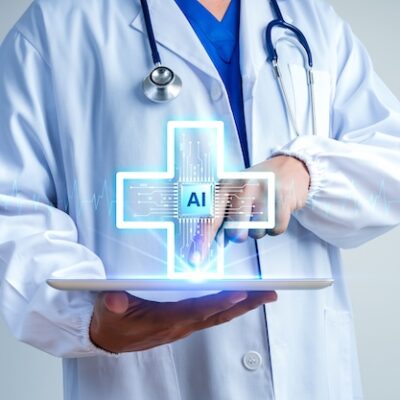
Managing Type 1 diabetes (T1D) is a constant balancing act, requiring individuals to meticulously monitor their blood sugar levels and administer insulin as needed. The complexity of this task often places a significant mental and physical burden on those living with the condition. To address these challenges, researchers at the University of Virginia (UVA) are embarking on a groundbreaking clinical trial to test an artificial intelligence (AI)-powered device designed to enhance insulin delivery and simplify diabetes management.
A Cutting-Edge Clinical Trial
The trial, spearheaded by leading faculty members from UVA’s School of Data Science and the UVA Center for Diabetes Technology, seeks to evaluate a novel AI-driven feature known as the “Bolus Priming System with Reinforcement Learning” (BPS_RL). This feature, integrated into an advanced Automated Insulin Delivery (AID) system, aims to improve glucose regulation, particularly during meals and overnight, while reducing the need for user intervention.
The research team includes:
- Heman Shakeri, Assistant Professor of Data Science
- Boris Kovatchev, Founding Director of the UVA Center for Diabetes Technology, Professor at the School of Medicine, and Professor of Data Science (by courtesy)
- Anas El Fathi, Research Assistant Professor at the Center for Diabetes Technology and Assistant Professor of Data Science (by courtesy)
Postdoctoral researcher Ali Tavasoli played a crucial role in fine-tuning the BPS_RL system, creating the computer simulation that contributed to the device receiving approval from the U.S. Food and Drug Administration (FDA) for clinical evaluation.
How the Technology Works
The fully automated BPS_RL system functions as an enhancement to AIDANET, an existing diabetes management network comprising:
- A smartphone application that processes glucose data and insulin dosing algorithms
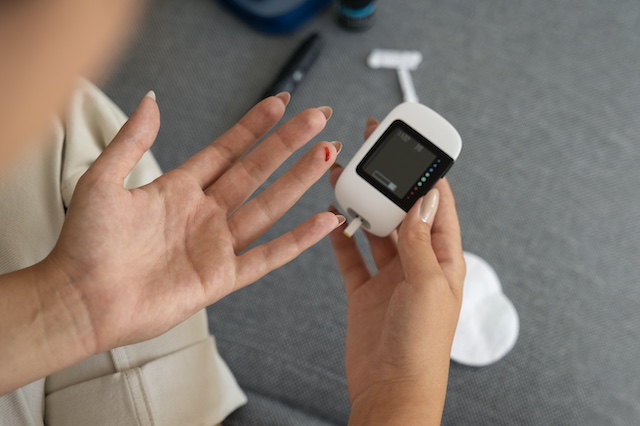
- A Dexcom continuous glucose monitor (CGM) that tracks real-time blood sugar levels
- A Tandem insulin pump that delivers insulin accordingly
By integrating reinforcement learning into this setup, the new technology dynamically adjusts insulin administration in response to real-world data. This allows for adaptive, personalised treatment without requiring continuous user input. The primary aim is to improve blood sugar stability, particularly around mealtimes and overnight, when fluctuations are most difficult to manage.
The Structure of the Clinical Trial
Set to commence in March, the trial will assess the system’s effectiveness over a three-week study period involving 16 adult participants who have previous experience using an AID system. The trial is structured as follows:
- Week 1: Participants will use the standard AIDANET system at home to establish a baseline for comparison.
- Week 2: Participants will stay in a supervised testing location, alternating between the current and AI-enhanced systems in 18-hour monitored sessions.
- Week 3: Participants will return home and use the BPS_RL-enhanced system while being remotely monitored.
To ensure robust results, half of the participants will start with the standard system before switching to the AI-enhanced version, while the other half will follow the reverse order. This crossover design will help researchers compare the two systems’ efficacy in real-world conditions.
Addressing Key Challenges in Diabetes Management
Managing T1D involves numerous variables, including food intake, physical activity, stress, and hormonal fluctuations. Traditional insulin delivery systems require user input, adding complexity and potential for miscalculations. Additionally, AID systems can be expensive and inaccessible to many.
By incorporating AI-driven adaptability, UVA’s new approach seeks to make insulin delivery more effective, less labour-intensive, and potentially more affordable. If successful, this technology could significantly reduce the burden of constant blood sugar management, offering greater peace of mind to those living with diabetes.
A Transformative Step in Diabetes Care
Professor Heman Shakeri emphasised the broader impact of this research, stating:
“This trial isn’t just about advancing technology – it’s a bold step toward transforming diabetes care and uplifting lives. We are committed to creating a fully automated, intelligent insulin delivery system that redefines diabetes management, making treatment simpler, more reliable, and entirely effortless for patients.”
Beyond optimising blood sugar control, the research team envisions a future where AI-powered insulin delivery systems reduce both the mental and financial burdens associated with diabetes care. By making these systems more adaptive, precise, and cost-effective, UVA is paving the way for a more accessible and equitable future in diabetes management.With the trial set to begin soon, the findings could mark a significant leap forward in AI-assisted healthcare, demonstrating how technology can be harnessed to improve lives and reshape the future of chronic disease management.