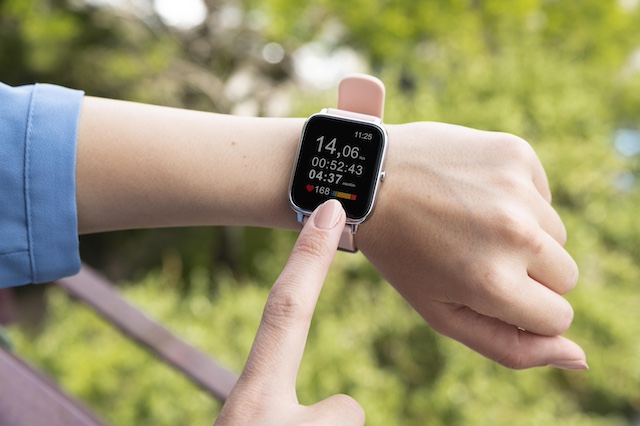
Apple expands health research efforts with large-scale study on physical and mental well-being
Aiming to Bridge the Gap Between Technology and Healthcare
Apple is significantly expanding its health research ambitions by launching a large-scale, longitudinal study to monitor changes in physical and mental well-being. This initiative will leverage data collected from Apple’s ecosystem of devices—including iPhones, Apple Watches, and AirPods—as well as third-party devices. The study is designed to explore a broad spectrum of health and disease areas, with a particular focus on understanding the relationships between different aspects of health, such as mobility, cardiovascular function, mental well-being, and social determinants.
The new Apple Health Study builds upon Apple’s previous research efforts, which began over five years ago with three medical studies investigating the Apple Watch’s capabilities in tracking cardiovascular health and mobility, hearing changes, and reproductive health. This latest initiative takes a more comprehensive approach, seeking to assess the intricate connections between physical health, mental health, and lifestyle factors, including whether a person lives alone or with family.
A Holistic Approach to Health Monitoring
Apple’s goal is to identify signals within an individual’s health data that may indicate the early onset of medical conditions. By analysing these signals, researchers hope to enhance early detection efforts, ultimately improving outcomes for a variety of conditions. Apple executives and researchers have highlighted that health conditions often manifest through changes in multiple areas of the body, making it essential to consider a holistic view of health data.
One area of particular interest is the link between hearing health and cognitive function. Researchers are keen to explore whether monitoring changes in hearing could help reduce the risk of cognitive decline. Other potential avenues for investigation include the impact of mental well-being on heart rate, the role of sleep in influencing exercise performance, and the long-term effects of daily habits on overall health.
By incorporating wearable technology into the study, Apple aims to provide researchers with unprecedented insights into how lifestyle choices and daily behaviours shape long-term health outcomes.
A Large-Scale, Diverse Study Population
Apple has emphasised its commitment to enrolling a diverse and extensive participant base for the study, although specific enrolment targets have not yet been disclosed. The study will be conducted in collaboration with Brigham and Women’s Hospital, a renowned research institution and a primary teaching affiliate of Harvard Medical School. This partnership builds on Apple’s previous collaboration with the hospital, which, along with the American Heart Association, helped launch the Apple Heart and Movement Study in 2019.
As with Apple’s previous studies, the Apple Health Study will be accessible through the Research app, allowing participants to contribute data remotely, without the need for in-person visits. This virtual study model enables continuous data collection over extended periods, offering a more detailed picture of how various health factors evolve over time.
Leveraging Research for Product Innovation
Since the launch of the Research app, Apple has gained “valuable insights” that have informed the development of new health features across its devices, according to Sumbul Desai, M.D., Apple’s vice president of health. These advancements include the Vitals app on the Apple Watch and the Walking Steadiness feature on iPhone, both of which help users monitor key health indicators.
“These features have surfaced new insights in areas of health that have long been undervalued, like menstrual and hearing health,” Desai explained. “Research and validation are part of the foundation of all of our work in health, supporting the innovative features we bring to our users across devices. We’re thrilled to bring forward the Apple Health Study, which will only accelerate our understanding of health and technology across the human body, both physically and mentally.”
The Apple Health Study will investigate a wide range of health domains, including activity levels, ageing, cardiovascular and circulatory health, cognition, hearing, menstrual health, mental well-being, metabolic health, mobility, neurological function, respiratory health, and sleep patterns.
A Vision for the Future of Health Technology
Apple’s latest research effort underscores the growing role of consumer technology in advancing medical understanding. The study aims not only to explore health trends but also to inform the development of future Apple products, potentially leading to new tools that help individuals manage their health more effectively.
“We’ve only just begun to scratch the surface of how technology can improve our understanding of human health,” said Calum MacRae, M.D., Ph.D., a cardiologist, professor of medicine at Harvard Medical School, and principal investigator of the Apple Health Study at Brigham and Women’s Hospital. “We are excited to be part of the Apple Health Study, as it will continue to explore connections across different areas of health using technology that so many people carry with them every day.”
By integrating real-world health data with cutting-edge research, Apple continues to position itself at the forefront of digital health innovation, paving the way for more personalised and accessible healthcare solutions in the future.