Amazon’s palm-scanning technology enters healthcare: NYU Langone Health adopts biometric check-ins
New York University’s Langone Health has announced the adoption of Amazon’s palm recognition technology for patient check-ins, marking a significant step in the integration of biometric technology into healthcare settings.
The announcement, made at a major health information technology conference, positions NYU Langone as the first healthcare provider to implement Amazon One, a biometric authentication system that has already been deployed in commercial settings such as stadiums, universities, and Whole Foods supermarkets.
Why This Matters
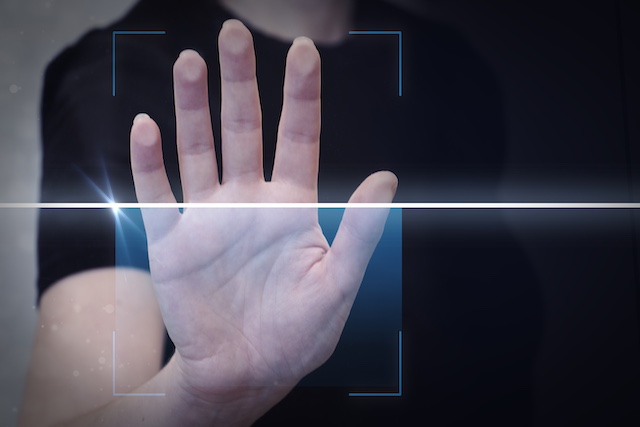
The introduction of Amazon’s palm-scanning technology is aimed at improving the efficiency and security of patient identification. Traditionally, verifying a person’s identity upon arrival for a medical appointment requires presenting an identification document or providing personal details to administrative staff. The new biometric system streamlines this process, allowing individuals to authenticate their identity quickly and seamlessly with a simple palm scan.
Participation in the programme will be optional for patients, ensuring that those who prefer traditional check-in methods can continue to use them.
How It Works
Individuals visiting NYU Langone Health facilities will have the option to scan their palm at designated check-in stations. The technology works by capturing and encrypting a person’s unique palm signature, linking it to their electronic health record within NYU Langone’s system. This eliminates the need for manual ID verification, potentially reducing wait times and administrative bottlenecks at reception desks.
According to a press release from Amazon, the biometric data collected by Amazon One will not include healthcare records from providers. The system solely functions as an identity verification tool and does not store or process any medical information.
Privacy and Security Measures
Amazon has emphasised that security and privacy are key priorities in the deployment of this technology. All palm scan data will be encrypted, and individuals will retain control over their biometric information. Those who choose to participate can unenrol from Amazon One at any time and request that their data be permanently deleted, according to the company’s official statement.
The Bigger Picture
While Amazon’s palm-scanning system is expected to offer a more convenient check-in experience, it does not address broader interoperability issues within healthcare IT. Many individuals continue to face the frustration of completing multiple paper forms each time they visit a healthcare provider, as disparate electronic health record systems are often unable to communicate seamlessly with one another.
Despite these ongoing challenges, the integration of biometric authentication in healthcare settings represents a step towards modernising patient interactions and enhancing security. As biometric technology becomes more widely accepted, its role in streamlining administrative processes in healthcare is likely to expand.
Looking Ahead
The adoption of Amazon One at NYU Langone Health signals the growing influence of tech companies in healthcare innovation. If successful, this initiative could pave the way for further biometric applications in hospitals and clinics across the United States and beyond, potentially transforming how individuals interact with medical institutions.
For now, the convenience of skipping the hassle of fishing for an ID card when running late to an appointment may be an appealing prospect for many. However, the long-term impact of such technology on healthcare security, accessibility, and interoperability remains to be seen.