GLP-1 agonists improve kidney transplant outcomes in people with type 2 diabetes
A recent study has demonstrated that people with type 2 diabetes who have received kidney transplants experience significantly improved survival rates and a lower likelihood of organ failure when prescribed glucagon-like peptide-1 (GLP-1) receptor agonists, a class of medications originally developed to manage diabetes and now widely used for weight management.
Obesity is a well-documented risk factor for type 2 diabetes and is associated with an increased risk of postoperative complications, including inflammation, organ rejection, and premature mortality. Previous research had indicated that people who had undergone kidney transplantation and subsequently took GLP-1 agonists exhibited a slower decline in kidney function compared to those who had not received the medications. However, there had been uncertainty regarding their routine use in this population due to concerns about potential adverse effects, including pancreatic inflammation, liver complications, and a theoretical increased risk of a rare form of thyroid cancer, particularly in individuals taking immunosuppressive medications to prevent transplant rejection.
Significant Reduction in Organ Failure and Mortality
The new study, conducted by researchers at NYU Langone Health and published in The Lancet Diabetes & Endocrinology, aimed to clarify the benefits and risks of these medications in kidney transplant recipients. The findings revealed that people prescribed GLP-1 agonists—most of whom began treatment within three years of transplantation—were 49% less likely to experience transplant failure, defined as the cessation of kidney function necessitating a return to dialysis, compared to those not taking the medication. Additionally, those prescribed GLP-1s had a 31% lower risk of mortality within five years of starting the treatment.
Dr Babak J. Orandi, MD, PhD, lead investigator of the study, transplant surgeon, and obesity medicine specialist, emphasised the significance of these findings:
“Our study results are the strongest evidence to date that GLP-1 agonist drugs are largely safe and effective tools for addressing type 2 diabetes in kidney transplant recipients.”
Dr Orandi, an associate professor in the Departments of Surgery and Medicine at NYU Grossman School of Medicine, further noted:
“Our research offers a large amount of real-world clinical data to guide the management of benefits and risks of GLP-1 use in kidney transplant recipients.”
Risk of Diabetic Retinopathy
While the study found no increased risk of pancreatic inflammation, liver complications, or thyroid cancer in those prescribed GLP-1s, it did identify a 49% higher likelihood of developing diabetic retinopathy, a leading cause of blindness. This eye condition occurs when elevated blood sugar levels damage the retina’s blood vessels, particularly in cases where blood glucose control is adjusted too rapidly.
Study senior investigator and epidemiologist Dr Mara McAdams-DeMarco, PhD, an associate professor in the Departments of Surgery and Population Health, highlighted the need for close monitoring:
“Our findings also show that while the benefits of GLP-1 drugs are significant, their use does come with some added risk of diabetic retinopathy, suggesting that physicians need to carefully monitor the eye health of kidney transplant recipients with diabetes who are started on these drugs.”
Dr Orandi further elaborated on this point, stating that individuals with poorly controlled diabetes should be screened for diabetic retinopathy prior to starting GLP-1 therapy. He also recommended a gradual titration of the medication dosage in people with severe diabetes or pre-existing eye conditions.
Study Overview and Future Research
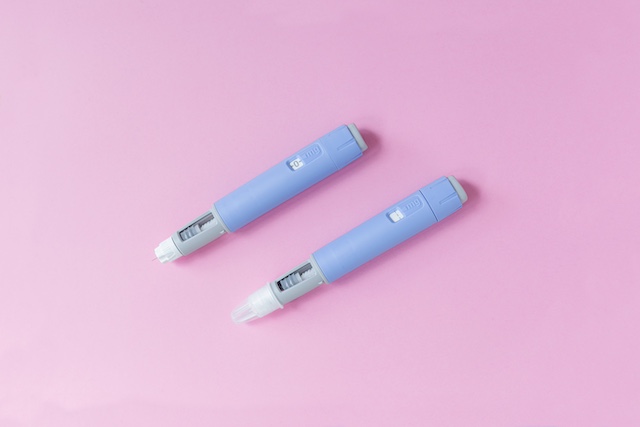
The study analysed medical records from the U.S. Renal Data System, which integrates data from the Organ Procurement and Transplantation Network, the U.S. Centers for Medicare and Medicaid Services, and Medicare claims related to prescription drug use. Researchers reviewed data from 18,016 kidney transplant recipients with pretransplant diabetes in the United States between 2013 and 2020. Of these, 1,916 individuals were prescribed GLP-1 receptor agonists, including semaglutide, liraglutide, and dulaglutide, marketed under brand names such as Ozempic, Wegovy, Saxenda, Victoza, and Trulicity.
The study also found that those prescribed GLP-1s were more likely to be younger, female, Black, and from lower-income backgrounds than those who were not prescribed the medication. The researchers emphasised the need for further studies to investigate the biological mechanisms by which GLP-1 agonists enhance kidney health post-transplantation.
Type 2 diabetes remains one of the primary causes of end-stage kidney disease, and with a quarter of a million individuals in the United States currently awaiting a kidney transplant, identifying treatments that improve post-transplant outcomes is of critical importance.
Funding and Disclosures
The study was supported by National Institutes of Health grants R01AG077888, K02AG076883, R01DK114074, R01DK120518, K01DK132490, and K24AI144954.
Besides Dr Orandi and Dr McAdams-DeMarco, researchers involved in the study included Yui Chen, MHS; Yiting Li, MPH; Garyn Metoyer, MD; Michael Weintraub, MD; Sunjae Bae, MD, PhD; Nicole Ali, MD; Bonnie Lonzo, MD; Christine Ren-Fielding, MD; Holly Lofton, MD; Akash Gujral, MS; and Dorry L. Segev, MD, PhD. Additionally, Krista Lentine, MD, from Saint Louis University in Missouri, contributed as a co-investigator.
Dr Orandi has served on an advisory board for Boehringer Ingelheim. Dr Lofton has received advisory board fees, research funding, and speaking fees from Novo Nordisk, Eli Lilly, and Currax. Dr McAdams-DeMarco has received speaking fees from Chiesi. Dr Segev has served as a consultant or received speaking fees from AstraZeneca, Behring, CareDx, CSL, Jazz Pharmaceuticals, Mallinckrodt, Novavax, Novartis, Optum Health Education, Sanofi, Thermo-Fisher Scientific, Transmedics, and Veloxis. None of these companies were involved in the current study. The terms of these relationships are being managed in accordance with NYU Langone Health’s policies and procedures.