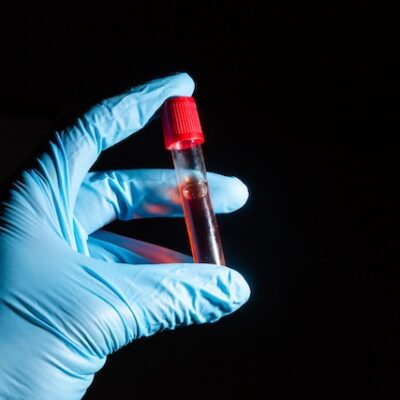
Cutting-edge AI tool uses x-rays to foresee diabetes risk in patients
Diabetes, a condition commonly diagnosed in adults under 65, has been increasingly observed in the senior population. As the disease advances in this age group, it often brings forth complex healthcare challenges. This highlights the need for early diagnosis, especially among older adults vulnerable to either the onset or exacerbation of diabetes symptoms.
Innovations in artificial intelligence are offering new avenues for early detection of such health conditions. These AI-powered tools, especially effective when handling vast and precise datasets, are revolutionising the early diagnosis landscape.
A trailblazing AI model, pioneered by researchers at Emory University, stands out with its unique approach. This model is engineered to discern early signs of diabetes by analysing X-ray images obtained during various medical assessments. These X-rays were originally captured for diverse medical reasons such as chest discomfort, respiratory issues, or pre- and post-operative evaluations. Notably, the AI model underwent rigorous training using a whopping 270,000 X-rays sourced from nearly 160,000 individuals.
Historically, X-rays haven’t been a standard diagnostic tool for diabetes. However, this groundbreaking AI model demonstrated its proficiency in identifying correlations between the accumulation of fatty tissues in specific body regions and an increased risk of diabetes, as highlighted by the study authors.
As a next step, the research team is keen on fine-tuning the model’s accuracy. Their vision encompasses integrating this AI tool into electronic health record (EHR) systems, aiming to equip physicians and healthcare providers with timely alerts on potential diabetes risks.
To put things in perspective, the Centers for Disease Control and Prevention (CDC) has estimated that an alarming 300,000 elderly individuals are diagnosed with diabetes for the first time annually. Diabetes’s prevalence is soaring, with a staggering 100% increase observed over the past three and a half decades. The Endocrine Society further reveals that nearly a third of the elderly population is grappling with diabetes.
The challenge, however, doesn’t end at diagnosis. Achieving effective diabetes management, especially in long-term care environments, poses significant hurdles. It is alarming to note that certain treatments lead to a heightened hypoglycemia risk, impacting around 35% of patients, as cited by the McKnight’s Clinical Daily. Overmedication is another pressing concern, with a considerable segment of the senior population not receiving timely medication adjustments. Amidst these challenges, the medical community is optimistic about emerging treatments such as SGLT2Is, which are on the cusp of wider adoption in long-term care settings. Furthermore, recent research has illuminated the potential benefits of kombucha tea in regulating blood glucose levels, offering a glimmer of hope in the fight against diabetes.