Camera Glasses and Biomarkers Aim to Transform How Diets Are Measured in Real Life
Key Takeaways:
- A UK-wide study is testing camera glasses alongside blood and urine biomarkers to produce more accurate dietary data than self-reported food diaries.
- Researchers say existing methods often fail to capture snacking, portion sizes, and mindless eating, limiting confidence in nutrition research.
- While the technology could improve objectivity, experts caution it may not be suitable for everyone, particularly people vulnerable to food anxiety or disordered eating.
A new approach to measuring what people really eat
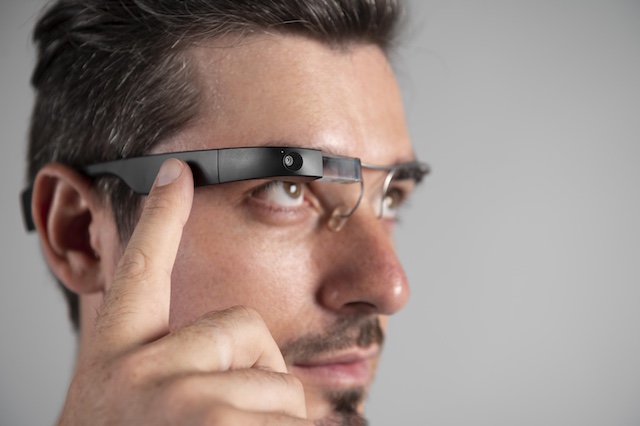
A new UK trial is exploring whether wearable camera glasses, combined with biological markers, can provide a more reliable picture of what people eat and drink in their everyday lives. The study is led by the University of Reading and aims to address long-standing challenges in nutrition research, particularly the limitations of self-reported dietary data.
Registered nutritionist Christine Bailey explained that camera glasses build on existing clinical tools, such as food photographs used to support dietary assessment, by capturing intake automatically and in real time. According to the research team, this approach could significantly reduce reliance on memory and self-reporting, which are known to be imperfect.
Professor Julie Lovegrove, who is leading the trial, said: “Humans are not very reliable, especially when asked to remember snacking or portion sizes.”
The study is taking place against a backdrop of rising rates of excess weight in the UK. Analysis from the Health Foundation in 2025 indicated that more than 60 percent of UK adults are now classified as living with overweight or obesity, including around 28 percent living with obesity.
How the SODIAT-2 study works
The study, known as SODIAT-2, will recruit 133 adults from across the UK to take part in a five-week programme conducted entirely from their own homes.
For up to 12 days, participants will wear camera glasses that automatically take photographs of everything they eat and drink. During this period, they will also collect small blood and urine samples using easy-to-use kits that are returned by post for laboratory analysis. In addition, participants will complete short online questionnaires to report what they have eaten over recent days.
All participants will then follow a standardised test diet, consuming identical foods and drinks for three days. By combining wearable imagery, biological data, and self-reported information, the research team aims to identify the most accurate and practical way to study diets in real-world settings.
Why current dietary assessment methods fall short
One of the central problems in nutrition research is obtaining an accurate account of people’s habitual eating patterns. Dr Manfred Beckmann, lead principal investigator from the Department of Life Sciences at the Aberystwyth University, said: “One of the problems facing nutrition researchers is getting a true picture of people’s eating habits.”
Professor Lovegrove noted that current approaches typically rely on food diaries, questionnaires, and 24-hour dietary recalls. She described these tools as “not very reliable or accurate”, largely because they depend on memory and honest reporting.
Christine Bailey added: “Research consistently shows that self-reported food diaries are prone to recall bias, with people often misremembering what they ate, when they ate it, and portion sizes.”
Dr Michelle Weech, research fellow at the University of Reading and trial manager, said: “By automatically photographing everything they eat and drink and measuring substances the body makes from food in their blood and urine – we will have dietary data we can really rely on.”
Potential benefits for nutrition and public health research
Researchers believe that combining camera glasses with biomarkers could mark a step change in how diets are measured. More accurate dietary data would allow scientists to explore links between diet, health, and disease with greater confidence, including conditions such as type 2 diabetes, cardiovascular disease, and some cancers.
Bailey said wearable camera technology may “improve objectivity and offer valuable insight into eating behaviours and patterns” that are not always captured through written food records alone.
Wearable devices and AI-driven analysis like this are part of a much wider digital transformation of healthcare – a shift that professional training such as the College of Contemporary Health’s digital health CPD courses aims to help practitioners keep pace with.
Registered nutritional therapist Gemma Westfold, based in Windsor, highlighted how the technology could also shed light on behavioural aspects of eating. She said: “Humans can eat mindlessly on occasion, whilst scrolling on social media or while watching TV. When we are absorbed in other activities whilst eating, we can risk overeating, but more importantly, we can also switch off our ability to adequately digest and absorb the nutrients.”
Westfold added that using camera glasses for a short period could help identify behavioural patterns and support mindful eating, which she described as “key for all health conditions”.
Ethical considerations and concerns about over-monitoring
Despite the potential benefits, experts emphasise that such tools will not be appropriate for everyone. Bailey cautioned that increased monitoring could be counterproductive for some people: “For a small proportion of individuals, particularly those vulnerable to food anxiety or disordered eating, increased focus on food monitoring or quantity can become counterproductive and heighten preoccupation around eating.”
Westfold also raised concerns about how constant monitoring might affect therapeutic relationships. She said: “My line of work is based on relationships and making someone feel comfortable. Camera glasses could imply that as a nutritionist I do not trust my client, or believe what they are telling me.”
“It could make us feel like a food nanny, policing our clients and damage that relationship because they are under constant surveillance,” she added.
A collaborative UK research effort
The SODIAT-2 project brings together expertise from several UK institutions. Alongside the University of Reading and Aberystwyth University, partners include the University of Cambridge, which is leading blood sample analysis, and Imperial College London, which developed the camera glasses and is using artificial intelligence to analyse the images captured by the wearable devices.
Funded by the UK Medical Research Council and the Biotechnology and Biological Sciences Research Council, the project aims to improve how dietary intake is measured, providing stronger evidence to inform future nutrition guidance and public health policy.
CCH insight
Camera glasses and AI-analysed dietary data are a vivid example of how digital health tools – wearables, connected devices and machine learning – are moving into the heart of research and care. As these technologies become part of everyday practice, being equipped to understand and use them well is increasingly imperative for healthcare professionals. CCH’s CPD-accredited digital health short courses are designed to help practitioners build the practical skills and judgement to keep pace, quickly and flexibly around a clinical schedule.
Explore CCH’s Digital Health courses →