How Continuous Glucose Monitors (CGMs) are changing the fight against obesity
Continuous Glucose Monitors (CGMs), initially developed for diabetes management, are gaining recognition for their role in aiding individuals with obesity, especially those at risk of developing diabetes. With these devices soon to be available over-the-counter in the United States, there is a new frontier in proactive health monitoring.
Lori Wenz, a nurse practitioner at Western Colorado Weight Care in Grand Junction, Colorado, discussed the expanding use of CGMs beyond their traditional scope during her presentation at the 2024 Obesity Medicine Association conference. She emphasised that CGMs not only enhance patient motivation by improving awareness of how diet and activity impact metabolic health but also play a crucial role in adherence to nutritional guidance and pharmacotherapy.
A significant proportion of the American adult population remains unaware of their pre-diabetic or diabetic status. According to the Centers for Disease Control and Prevention, approximately 38% of adults have pre-diabetes, of which up to 80% are unaware. Additionally, around 23% of the 11.6% of Americans diagnosed with diabetes are also ignorant of their condition. Notably, up to 90% of those diagnosed with diabetes have either overweight or obesity, highlighting the intertwined nature of obesity and diabetes.
The off-label use of CGMs in obesity management is gaining acceptance as both clinicians and patients become increasingly proactive in monitoring potential diabetes risks and overall health. Wenz reported a significant increase in the off-label application of CGMs over the past three to five years, attributed largely to technological advancements that have reduced costs and enhanced device integration with mobile technology.
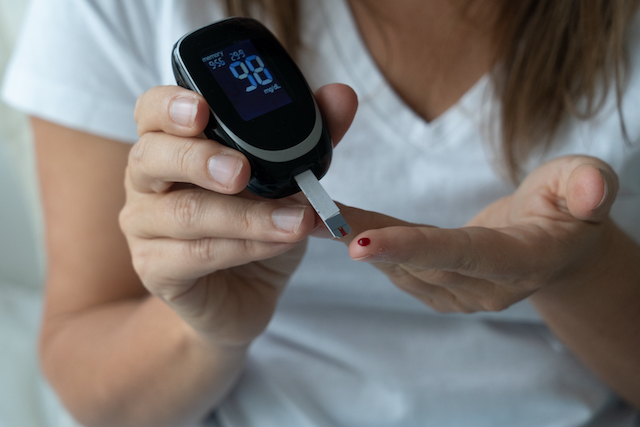
CGMs are particularly useful in diagnosing pre-diabetes and managing glucose levels to delay or even reverse the progression to diabetes. The devices provide real-time glucose readings, revealing the impact of lifestyle choices on glucose fluctuations, which can be a revelation for many users. This encourages more informed decisions about diet and exercise, leading to better health outcomes.
In a significant development, the FDA recently approved the Dexcom Stelo Glucose Biosensor System, the first over-the-counter CGM, for individuals over 18 who are not on insulin therapy. This device, which provides glucose measurements every 15 minutes and can be worn for up to 15 days, represents a major step forward in making glucose monitoring more accessible.
Despite the advantages, the use of CGMs in non-diabetic patients presents unique challenges. There are no established glucose norms for individuals without diabetes, and interpreting CGM data can be complicated. Moreover, alarms designed for diabetic users can be bothersome for those without the condition, potentially disrupting sleep and causing undue stress.
Alaina Vidmar, MD, at the Keck School of Medicine of the University of Southern California, discussed the benefits of CGMs in paediatric obesity interventions. Real-time glucose data helps educate young patients about their body’s reactions to different foods and reinforces adherence to dietary restrictions, which is crucial for effective weight management and prevention of diabetes.
The advent of over-the-counter CGMs is poised to transform the landscape of obesity management and diabetes prevention. As the market expands and prices become more competitive, these devices offer a promising tool for individuals to take control of their health, potentially averting the progression to diabetes and improving overall metabolic health. The holistic integration of CGMs with innovative health strategies, pharmacotherapy, and even surgery holds the promise of enhancing life quality and longevity for individuals with obesity.