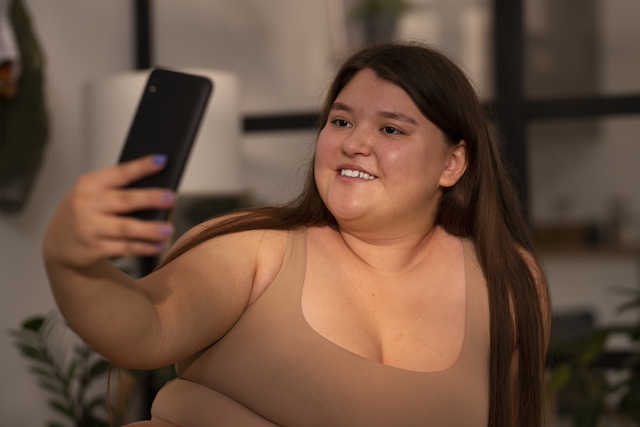
Transforming obesity care: New Warwick study explores digital based weight management support
Researchers at the University of Warwick are conducting a pioneering study to explore how digital tools, including a mobile app and remote consultations, could help the NHS provide better support for individuals living with obesity. This ambitious project has the potential to transform how care is delivered and make weight management services more accessible and equitable.
The study, funded by the National Institute for Health and Care Research (NIHR), will compare the effectiveness of a digital care pathway incorporating the Gro Health W8Buddy app with traditional NHS specialist weight management services. By improving access to care and addressing health inequalities, the research aims to benefit people from all walks of life.
Tackling a National Health Crisis
Obesity affects over a quarter of the UK population and remains one of the country’s most pressing health issues. The condition is linked to serious complications, such as type 2 diabetes, cardiovascular disease, and reduced quality of life. However, access to NHS weight management services is inconsistent, leaving many people waiting for support.
Dr Petra Hanson, Clinical Lecturer at Warwick Medical School and lead researcher for the study, emphasised the urgent need for innovation, “This is about finding innovative ways to improve access and ultimately health outcomes for different groups of people, including those from diverse age groups and ethnic backgrounds. With thousands of people on waiting lists for specialist weight management services, we need to change the way we work.”
Study Details and Objectives
The study will follow 450 participants across four hospital sites, collecting data on outcomes such as weight loss, quality of life, speed of treatment, healthcare resource usage, and overall health improvements. Researchers will track these outcomes over 18- and 24-month periods to determine the effectiveness of the digital and traditional care pathways.
Dr Hanson highlighted the role of digital tools in modern healthcare, “We want to know if digital pathways like W8Buddy can be incorporated into NHS treatment pathways. We don’t want to replace traditional care but instead use digital tools to improve choice and augment the way we work. This isn’t just about the technology; it’s about giving people choice and evidence-based tools.”
A Patient-Centred Approach
The study places individuals living with obesity at the heart of its design. Participants will contribute by sharing their experiences through surveys, interviews, and focus groups. This feedback will guide researchers in tailoring the digital care pathway to meet individual needs, ensuring the system is user-friendly, effective, and widely accessible.
By prioritising patient and public involvement, the researchers aim to create a service that resonates with users and offers a practical solution to a complex health challenge.
Collaboration and Diversity
The project is a collaboration between the University of Warwick, University Hospital Coventry and Warwickshire, and digital health company DDM Health. Recruitment sites include hospitals in Coventry, London, Birmingham, and Wales, selected for their diverse patient populations. This ensures the research captures a broad spectrum of experiences, enhancing its relevance and applicability.
Implications for NHS Policy
The findings of this study could have far-reaching implications for NHS policy. By demonstrating how digital solutions like W8Buddy can be integrated into NHS care, the research has the potential to reshape weight management services across the UK.
If successful, the digital care pathway could provide a scalable, cost-effective option for supporting people living with obesity. It would offer individuals greater flexibility in managing their health while complementing existing services.
Looking Ahead
This innovative study could signal a new era in obesity care, bridging gaps in access and equity while embracing the potential of digital health tools. As Dr Hanson remarked, “This isn’t just about technology; it’s about improving health outcomes and giving people the tools they need to succeed.”
By combining cutting-edge technology with a patient-first approach, this research promises to offer hope and empowerment to thousands of people across the UK, potentially transforming the future of obesity care in the NHS.