[email protected]

+44 (0)20 3773 4895

logologologo
  • About Us
    • The College
    • Advisory Board
    • Our Faculty and Team
    • Intelligence Hub
  • Topic Areas
    • Obesity Care
    • Digital Health
    • Behaviour Change
  • Courses
    • CPD Short Courses
    • PGCert in Obesity Care
    • PGCert in Digital Health
  • Apply
    • Postgraduate Qualification in Obesity Care
    • Postgraduate Qualification in Digital Health
    • FAQs
  • Resources
    • News
    • Our Publications
    • Monthly News Bulletins
    • Funding Options
  • Contact Us
    • Contact Us
  • Student Login

No products in the cart.

logologologo
  • About Us
    • The College
    • Advisory Board
    • Our Faculty and Team
    • Intelligence Hub
  • Topic Areas
    • Obesity Care
    • Digital Health
    • Behaviour Change
  • Courses
    • CPD Short Courses
    • PGCert in Obesity Care
    • PGCert in Digital Health
  • Apply
    • Postgraduate Qualification in Obesity Care
    • Postgraduate Qualification in Digital Health
    • FAQs
  • Resources
    • News
    • Our Publications
    • Monthly News Bulletins
    • Funding Options
  • Contact Us
    • Contact Us
  • Student Login

No products in the cart.

  • About Us
    • The College
    • Advisory Board
    • Our Faculty and Team
    • Intelligence Hub
  • Topic Areas
    • Obesity Care
    • Digital Health
    • Behaviour Change
  • Courses
    • CPD Short Courses
    • PGCert in Obesity Care
    • PGCert in Digital Health
  • Apply
    • Postgraduate Qualification in Obesity Care
    • Postgraduate Qualification in Digital Health
    • FAQs
  • Resources
    • News
    • Our Publications
    • Monthly News Bulletins
    • Funding Options
  • Contact Us
    • Contact Us
  • Student Login
March 3, 2016 by Nigel Hinchliffe Global Health & Policy 0 comments

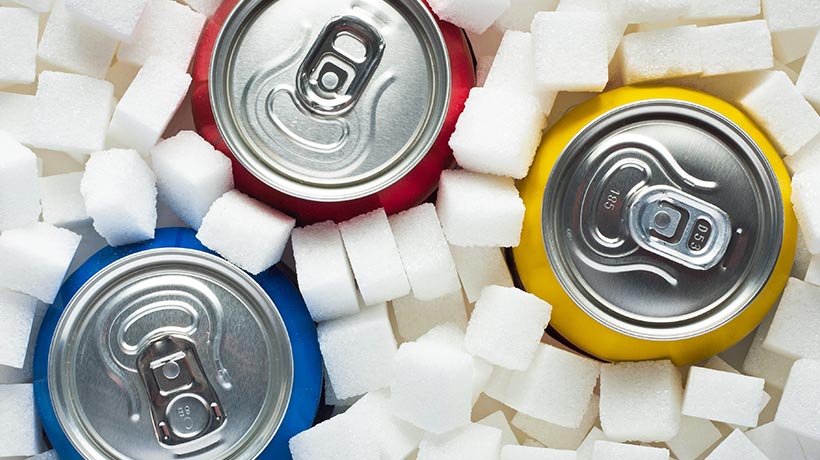
3.7 million cases of obesity could be prevented by taxing sugar-sweetened drinks

Recently there have been calls for a tax on sugar-sweetened beverages in the UK. A recent report conducted by Cancer Research UK has predicted that by 2025, a 20% tax on sugar-sweetened beverages could reduce obesity by 3.7 million cases. The same report claims that the NHS would save £10 million in direct health and social care costs. It is widely known and publicised that junk food, high in fats and sugars, are large contributors to the obesity crisis. It is therefore thought that by introducing a tax on sugary drinks, people would be less inclined to buy and consume them, and subsequently switch to a healthier choice.

It is estimated that in the UK, adolescents from 11-18 years of age are consuming three times the recommended limit of sugar, with their main source being sugary drinks. This report hopes to highlight this problem to the government. A 20% taxation on sugary drinks could be implemented as part of a society wide response to the obesity epidemic so that it can be tackled effectively.

Read more

PREV
NEXT

Related Posts

Japanese lady in a city.
December 11, 2023
UK’s obesity challenge: Learning from Japan’s effective approach
Read More
Mount Fujisan with cherry blossoms.
November 28, 2023
Japan’s healthcare system to include new obesity treatment in insurance coverage
Read More
Doctor with stethoscope holding red measuring tape.
April 8, 2025
Make obesity prevention and management central to public health, experts urge
Read More
August 15, 2015
Americans are finally eating less
Read More

CCH LINKS

FAQ
HOW TO APPLY
ACADEMIC ADVISORY BOARD
FACULTY AND STAFF
TERMS & CONDITIONS
CCH EDUCATION SERVICES

OUR PARTNERS

NOF
Haringey Obesity Alliance
Skills Active
CPD UK
ASO
REPS
Southwark
DIT
Healthcare Uk
OAC

ABOUT CCH

CONTACT US
[email protected]
+44 (0)20 3773 4895
Technopark, 90 London Road, LONDON, SE1 6LN
 

© The College of Contemporary Health