[email protected]

+44 (0)20 3773 4895

logologologo
  • About Us
    • The College
    • Advisory Board
    • Our Faculty and Team
    • Intelligence Hub
  • Topic Areas
    • Obesity Care
    • Digital Health
    • Behaviour Change
  • Courses
    • CPD Short Courses
    • PGCert in Obesity Care
    • PGCert in Digital Health
  • Apply
    • Postgraduate Qualification in Obesity Care
    • Postgraduate Qualification in Digital Health
    • FAQs
  • Resources
    • News
    • Our Publications
    • Monthly News Bulletins
    • Funding Options
  • Contact Us
    • Contact Us
  • Student Login

No products in the cart.

logologologo
  • About Us
    • The College
    • Advisory Board
    • Our Faculty and Team
    • Intelligence Hub
  • Topic Areas
    • Obesity Care
    • Digital Health
    • Behaviour Change
  • Courses
    • CPD Short Courses
    • PGCert in Obesity Care
    • PGCert in Digital Health
  • Apply
    • Postgraduate Qualification in Obesity Care
    • Postgraduate Qualification in Digital Health
    • FAQs
  • Resources
    • News
    • Our Publications
    • Monthly News Bulletins
    • Funding Options
  • Contact Us
    • Contact Us
  • Student Login

No products in the cart.

  • About Us
    • The College
    • Advisory Board
    • Our Faculty and Team
    • Intelligence Hub
  • Topic Areas
    • Obesity Care
    • Digital Health
    • Behaviour Change
  • Courses
    • CPD Short Courses
    • PGCert in Obesity Care
    • PGCert in Digital Health
  • Apply
    • Postgraduate Qualification in Obesity Care
    • Postgraduate Qualification in Digital Health
    • FAQs
  • Resources
    • News
    • Our Publications
    • Monthly News Bulletins
    • Funding Options
  • Contact Us
    • Contact Us
  • Student Login
March 3, 2016 by Nigel Hinchliffe Obesity Care 0 comments

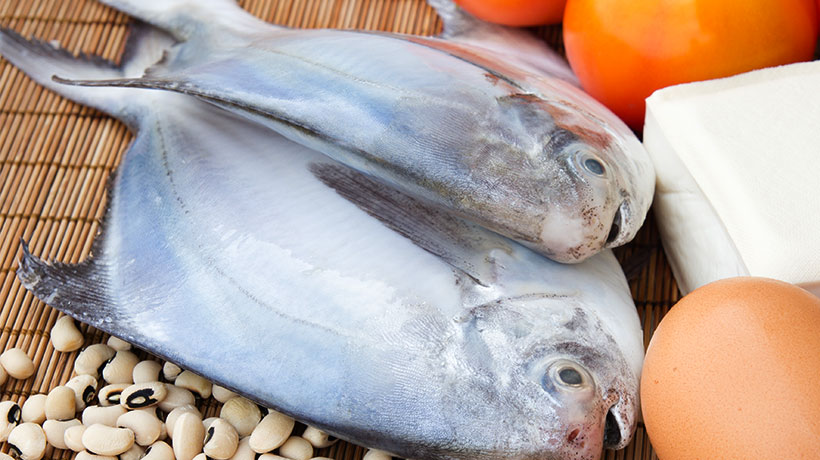
Consumption of fish during pregnancy linked with childhood obesity

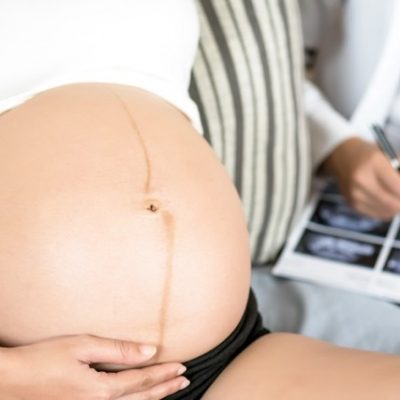
Pregnant women who eat fish more than 3 times a week are putting their children at a higher risk of developing obesity than if they did not eat as much of it. This is the conclusion of a new study published in JAMA Paediatrics. Data from 26,184 women were analysed to examine potential associations between maternal fish intake and childhood growth. They found that women who consumed fish more than three times a week gave birth to children with higher BMI levels at ages 2,4, and 6, compared to those who did not eat as much.

The researchers suggest that contamination by environmental pollutants could be the reason for this association. However, the authors did admit that they were not able to collect data on the types of fish consumed, methods of cooking or sources of fish, therefore their hypothesis remains speculative. However, it would seem to agree with the recent guideline released from the USA Food and Drug Administration which suggests that pregnant women should not eat fish more than three times a week due to the possibility of environmental pollutant exposure. Overall, it seems more research will have to be undertaken in order to fully explore and understand the effects of maternal fish consumption and childhood weight.

Read more

PREV
NEXT

Related Posts

August 19, 2015
Tesco weigh in on obesity crisis
Read More
Doctor measuring man's stomach.
May 22, 2024
Integrating obesity experts into primary care clinics enhances patient weight loss outcomes
Read More
A man experiencing severe stress.
March 13, 2025
Chronic stress and obesity identified as accelerators of early pancreatic cancer development
Read More
Young woman with obesity standing at a ballerina bar.
May 14, 2025
Adolescent obesity linked to structural brain changes affecting memory and emotion
Read More

CCH LINKS

FAQ
HOW TO APPLY
ACADEMIC ADVISORY BOARD
FACULTY AND STAFF
TERMS & CONDITIONS
CCH EDUCATION SERVICES

OUR PARTNERS

NOF
Haringey Obesity Alliance
Skills Active
CPD UK
ASO
REPS
Southwark
DIT
Healthcare Uk
OAC

ABOUT CCH

CONTACT US
[email protected]
+44 (0)20 3773 4895
Technopark, 90 London Road, LONDON, SE1 6LN
 

© The College of Contemporary Health