GLP-1 drugs linked to fewer surgery complications in people with diabetes
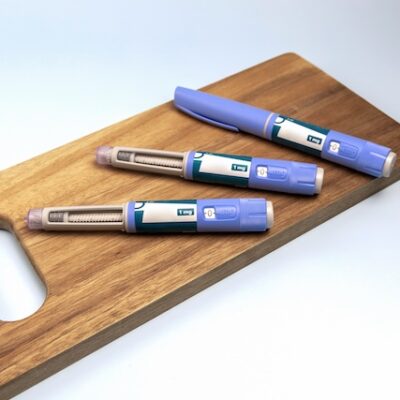
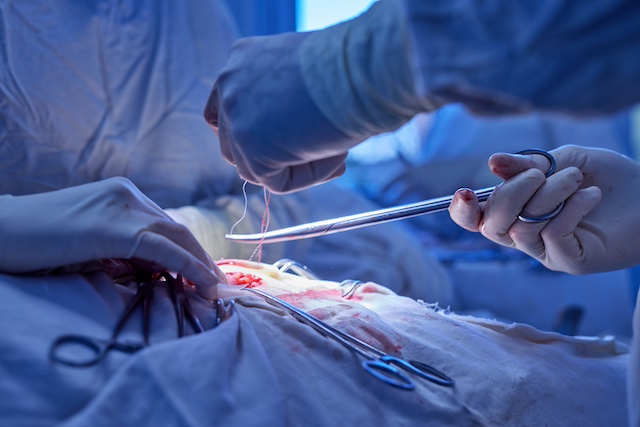
Individuals living with diabetes who were prescribed GLP-1 receptor agonist medications, such as tirzepatide and semaglutide, experienced significantly lower rates of hospital readmission, wound reopening, and haematoma following surgery, according to a large-scale study. The research was conducted by experts from Weill Cornell Medicine, Columbia University Vagelos College of Physicians and Surgeons, and NewYork-Presbyterian.
Published on 20 December in the Annals of Surgery, the study analysed anonymised hospital data from 74,425 surgical procedures performed on 21,772 individuals with diabetes over a three-and-a-half-year period, concluding in July 2023.
The findings revealed that individuals prescribed GLP-1 receptor agonists—commonly referred to as GLP-1 drugs—demonstrated a:
- 12% reduction in the likelihood of hospital readmission within 30 days post-surgery,
- 29% decrease in the risk of wound reopening within six months, and
- 56% reduction in the risk of haematoma (a localised collection of blood caused by bleeding) at the surgical site compared to those not on these medications.
“These findings from such a large number of patients and procedures suggest that taking these drugs shouldn’t worsen overall post-surgical complications and may even reduce the likelihood of some of them,” said Dr Jason Spector, senior author of the study, chief of the division of plastic and reconstructive surgery at Weill Cornell Medicine and NewYork-Presbyterian/Weill Cornell Medical Center, and a professor of surgery at Weill Cornell Medicine.
Background on GLP-1 Medications
GLP-1 receptor agonists were originally developed in the early 1990s to manage diabetes, with the first medications reaching clinical use in 2005. In 2014, regulatory authorities, including the US Food and Drug Administration (FDA), approved their use for treating obesity. These drugs function by activating the GLP-1 receptor on cells within the pancreas and other organs, thereby stimulating insulin release, which subsequently lowers blood sugar levels and suppresses appetite.
The recent widespread adoption of GLP-1 drugs prompted Dr Spector and first author Dr Seth Aschen, then a plastic surgery resident at NewYork-Presbyterian/Weill Cornell Medical Center, to investigate whether individuals with diabetes undergoing surgery face a greater or reduced likelihood of complications while on these medications.
Study Methods and Analysis
The research team analysed anonymised electronic health records from NewYork-Presbyterian/Weill Cornell Medical Center and NewYork-Presbyterian/Columbia University Irving Medical Center. They reviewed all surgical procedures involving individuals with diabetes from February 2020 to July 2023, ensuring at least six months of follow-up data for each case.
The investigators focused on hospital readmission rates within 30 days and four other post-surgical complications over the follow-up period. These included wound reopening, haematoma, bleeding, and infection. To ensure robust comparisons, a “propensity matching” system was employed to pair individuals prescribed GLP-1 drugs with similar individuals not taking these medications. This approach minimised the influence of external factors unrelated to the drugs themselves.
Key Findings
Surprisingly, the results indicated that individuals with diabetes taking GLP-1 medications were slightly less likely to require hospital readmission within 30 days of surgery, suggesting a reduction in overall complications.
Among specific complications studied:
- Bleeding and infection rates were consistent between both groups.
- The risk of wound reopening and haematoma was significantly lower in individuals taking GLP-1 drugs. Specifically, those prescribed these medications had 71.1% of the risk of wound reopening and 44.0% of the risk of haematoma compared with those not on GLP-1 drugs.
Understanding the Underlying Mechanisms
While the exact reasons for these beneficial outcomes remain unclear, diabetes is known to impair wound healing, potentially increasing post-surgical risks. Interestingly, the study found that better blood sugar control was unlikely to explain the positive effects, as individuals on GLP-1 drugs had slightly higher average blood sugar levels than their counterparts.
Other research suggests that GLP-1 medications may enhance wound healing through mechanisms such as reducing clotting, promoting the formation of new blood vessels to nourish tissues, and lowering inflammation. “These mechanisms may help explain the observed benefits,” Dr Spector commented.
Future Directions
Dr Spector and his team are now expanding their research to examine whether GLP-1 drugs influence post-surgical complications in individuals without diabetes.
By shedding light on these potential benefits, this study underscores the importance of further research into GLP-1 medications and their broader implications for improving surgical outcomes.