[email protected]

+44 (0)20 3773 4895

logologologo
  • About Us
    • The College
    • Advisory Board
    • Our Faculty and Team
    • Intelligence Hub
  • Topic Areas
    • Obesity Care
    • Digital Health
    • Behaviour Change
  • Courses
    • CPD Short Courses
    • PGCert in Obesity Care
    • PGCert in Digital Health
  • Apply
    • Postgraduate Qualification in Obesity Care
    • Postgraduate Qualification in Digital Health
    • FAQs
  • Resources
    • News
    • Our Publications
    • Monthly News Bulletins
    • Funding Options
  • Contact Us
    • Contact Us
  • Student Login

No products in the cart.

logologologo
  • About Us
    • The College
    • Advisory Board
    • Our Faculty and Team
    • Intelligence Hub
  • Topic Areas
    • Obesity Care
    • Digital Health
    • Behaviour Change
  • Courses
    • CPD Short Courses
    • PGCert in Obesity Care
    • PGCert in Digital Health
  • Apply
    • Postgraduate Qualification in Obesity Care
    • Postgraduate Qualification in Digital Health
    • FAQs
  • Resources
    • News
    • Our Publications
    • Monthly News Bulletins
    • Funding Options
  • Contact Us
    • Contact Us
  • Student Login

No products in the cart.

  • About Us
    • The College
    • Advisory Board
    • Our Faculty and Team
    • Intelligence Hub
  • Topic Areas
    • Obesity Care
    • Digital Health
    • Behaviour Change
  • Courses
    • CPD Short Courses
    • PGCert in Obesity Care
    • PGCert in Digital Health
  • Apply
    • Postgraduate Qualification in Obesity Care
    • Postgraduate Qualification in Digital Health
    • FAQs
  • Resources
    • News
    • Our Publications
    • Monthly News Bulletins
    • Funding Options
  • Contact Us
    • Contact Us
  • Student Login
January 3, 2024 by Nicholas Feenie GLP-1s & Medications 0 comments

Innovative vibrating pill may combat obesity by inducing satiety

Researchers at the Massachusetts Institute of Technology, led by Giovanni Traverso, have developed an innovative approach to tackling obesity using a vibrating pill. This method promises a less invasive alternative to gastric bypass surgery and aims to be more cost-effective and less prone to side effects than current pharmacological treatments like Wegovy and Ozempic.

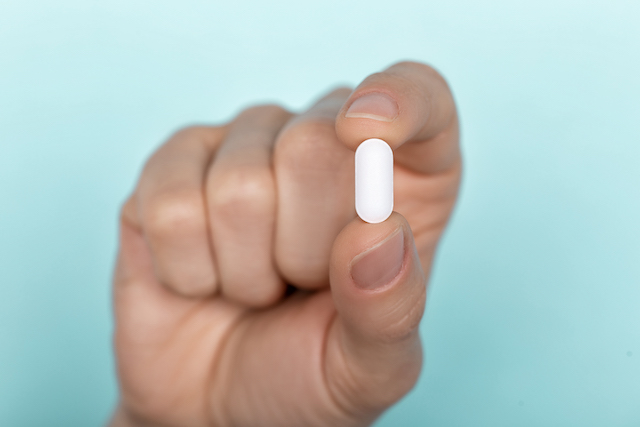
The pill, approximately the size of a standard multivitamin tablet, contains a vibrating motor powered by a small, ingestible silver oxide battery. Upon reaching the stomach, the pill’s outer layer is dissolved by gastric acid, triggering an electronic circuit that activates the vibration.

In a pivotal experiment involving pigs, it was observed that those administered the pill 20 minutes before mealtime consumed roughly 40% less food than their counterparts who did not receive the pill. Additionally, these pigs exhibited elevated levels of blood hormones typically associated with satiety.

Traverso and his team are optimistic about commencing human trials soon, given the prevalent issue of obesity, which affects over 40% of the population in the United States alone. The pill works by stimulating receptors that sense stomach expansion post a substantial meal, thereby sending fullness signals to the brain.

The current prototype of the pill is designed to vibrate for a duration of 30 minutes before the battery depletes, after which it is naturally excreted from the body. Traverso envisions future iterations of the pill that could remain semi-permanently in the stomach, with the ability to be wirelessly activated or deactivated as needed. This individualised response could lead to daily automatic activation to reduce overall appetite or even manual control via a smartphone app to address specific hunger cues.

This research builds upon previous findings by the same team, which discovered that electrical stimulation of the stomach lining can induce hunger. Such findings open the door to potential treatments for appetite loss in individuals with conditions like cancer. Traverso expresses excitement about the possibilities of manipulating different parts of the gastrointestinal tract to replicate the sensation of fullness, posing the question of whether it is possible to create an illusion of satiety through such stimulation.


PREV
NEXT

Related Posts

Woman putting pills onto her hand.
November 14, 2024
AstraZeneca reports early success for experimental obesity pill in Phase I trial
Read More
Stethoscope over a Canadian flag.
August 12, 2025
Updated Canadian guideline highlights expanded role of obesity medications
Read More
Nurse woman wearing protective mask and gloves - holding blood test tube.
July 1, 2026
A Simple Blood Test Could Identify the Most Effective Obesity Medication
Read More
Side view of little boy using an asthma inhaler in clinic.
January 7, 2026
GLP-1 Weight-Loss Medications Linked to Fewer Severe Asthma Attacks in Adolescents with Excess Weight
Read More

CCH LINKS

FAQ
HOW TO APPLY
ACADEMIC ADVISORY BOARD
FACULTY AND STAFF
TERMS & CONDITIONS
CCH EDUCATION SERVICES

OUR PARTNERS

NOF
Haringey Obesity Alliance
Skills Active
CPD UK
ASO
REPS
Southwark
DIT
Healthcare Uk
OAC

ABOUT CCH

CONTACT US
[email protected]
+44 (0)20 3773 4895
Technopark, 90 London Road, LONDON, SE1 6LN
 

© The College of Contemporary Health