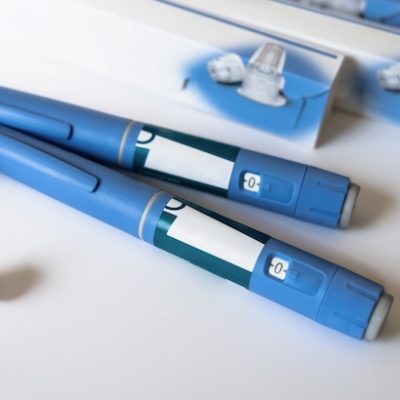
The limited impact of Ozempic on the U.S. obesity epidemic
The term ‘obesity’ elicits a range of interpretations. Some view it as merely another way to describe excess weight, while others perceive it as a derogatory label for larger body sizes. Still, some consider it a reflection of personal failings, such as a lack of discipline or willpower. However, for over a decade, the medical field has acknowledged obesity as a chronic health condition, akin to diseases like cancer, diabetes, and hypertension. This disease significantly elevates the risk of severe COVID-19 outcomes, is connected to numerous health complications, and is responsible for approximately 4 million preventable deaths annually. Moreover, obesity manifests in various forms, with diverse origins, clinical signs, and treatment responses.
The surge in popularity of GLP-1 medications such as Ozempic, Wegovy, and Mounjaro has somewhat simplified this complex issue. These drugs are often hailed as the ultimate solution to obesity, a perspective that overlooks the multifaceted nature of the condition. Unfortunately, Ozempic alone cannot address America’s obesity crisis. Obesity extends beyond mere physical inactivity or excessive eating. It’s influenced by a range of factors including genetic predispositions, mental health, socio-economic conditions, and environmental factors.
In clinical settings, the variation in obesity cases is significant. For instance, a mutation in the MC4R gene is associated with an 18% increased likelihood of obesity, while certain antipsychotic medications can lead to substantial weight gain. Although GLP-1 medications can be beneficial, they primarily address hormonal imbalances and do not tackle other contributing factors. This reductionist approach is also evident in the use of Body Mass Index (BMI) to diagnose obesity. BMI, initially designed for white European males, often inaccurately represents obesity levels in different ethnic groups, leading the American Medical Association to advise against its sole use. Currently, a global commission of experts is redefining obesity, moving away from height and weight measurements to focus on specific symptoms and signs.
The response to treatment among patients with obesity also varies greatly. For example, the GLP-1 drug Wegovy showed an average body weight reduction of 16% in a study, yet individual results ranged widely. This underscores the need for personalised treatment plans rather than a singular drug-based approach. However, the U.S. healthcare system faces significant challenges in this regard. With only a small number of physicians specialised in obesity treatment and federal restrictions on covering obesity medications, only a fraction of those who could benefit from such treatments receive them. Instead, many are advised to simply eat less and exercise more, a strategy that overlooks the complexity of obesity.
Effective obesity treatment involves a multidisciplinary approach, combining diet, exercise, behavioural therapy, medication, and sometimes surgery. Unfortunately, the scarcity of specialised physicians and the prevalence of misleading diet products and scams exacerbate the issue. The U.S. weight loss market, valued at $160 billion in 2023, is a testament to this. Moreover, misconceptions about GLP-1 medications, such as the idea that they are a cure-all for obesity, lead to unrealistic expectations and criticisms. Like insulin or hypertension treatments, discontinuing GLP-1 drugs can result in a reversal of their effects, a fact that should be recognised rather than criticised.
Addressing obesity, which costs the U.S. around $1.7 trillion annually, requires acknowledging the progress made with GLP-1 drugs while also understanding their limitations. A holistic, patient-centred, and empathetic approach to obesity treatment is essential. This approach should not only address the unique needs and circumstances of each individual but also aim to improve overall health and well-being. While medications like Ozempic, Wegovy, and Mounjaro offer significant potential, they are not the all-encompassing solution often portrayed in the media. A broader, more nuanced understanding and response to obesity is crucial for effective management and treatment.