WHO Issues First Global Guideline on GLP-1 Therapies for Treating Obesity
Key Takeaways:
- WHO has released its first global guideline on the use of GLP-1 therapies for treating obesity as a chronic, relapsing disease, offering conditional recommendations for adults.
- While the medicines show meaningful benefits, WHO stresses that medication alone will not reverse the obesity crisis and that person-centred, lifelong care is essential.
- Concerns remain about long-term safety data, affordability, availability, and the potential for widening global health disparities without deliberate policy action.
Introduction: A new milestone in global obesity care
The World Health Organization (WHO) has issued its first global guideline on the use of Glucagon-Like Peptide-1 (GLP-1) therapies for treating obesity, a chronic and relapsing disease affecting more than one billion people worldwide. Obesity contributes to 3.7 million deaths globally each year, and without urgent action the number of people living with obesity is projected to double by 2030.
The new guideline follows the decision made in September 2025 to add GLP-1 therapies to the WHO Essential Medicines List for managing type 2 diabetes in individuals at high risk. With this new document, WHO provides its first formal, conditional recommendations on the use of GLP-1 therapies specifically for obesity as part of a comprehensive treatment approach that includes healthy diets, regular physical activity, and professional health support.
“Obesity is a major global health challenge that WHO is committed to addressing by supporting countries and people worldwide to control it, effectively and equitably. Our new guidance recognises that obesity is a chronic disease that can be treated with comprehensive and lifelong care,” said Dr Tedros Adhanom Ghebreyesus, WHO Director-General. “While medication alone won’t solve this global health crisis, GLP-1 therapies can help millions overcome obesity and reduce its associated harms.”
The global and economic burden of obesity
Obesity is a complex, chronic disease and a major driver of noncommunicable conditions including cardiovascular diseases, type 2 diabetes, and some cancers. It also worsens outcomes for people who develop infectious diseases.
The global economic burden is profound. The worldwide cost of obesity is projected to reach US$ 3 trillion every year by 2030 due to increased healthcare demands and the rising costs of managing obesity-related complications. WHO hopes that clear guidance on the use of GLP-1 therapies will support efforts to reduce escalating healthcare expenditure while improving outcomes for people affected by obesity.
A landmark policy shift: WHO’s conditional recommendations
WHO’s new guideline sets out two key conditional recommendations based on currently available evidence.
1. Use of GLP-1 therapies in adults living with obesity
WHO states that GLP-1 therapies may be considered for long-term treatment in adults, excluding pregnant women. The medicines have demonstrated clear efficacy in supporting weight loss and improving metabolic outcomes. However, the recommendation remains conditional due to several concerns:
- Limited long-term data on safety, durability, maintenance, and outcomes following discontinuation
- High costs of treatment
- Insufficient readiness of health systems to support widespread use
- Possible negative effects on health equity
2. Combining GLP-1 therapies with intensive behavioural interventions
WHO also recommends that adults living with obesity and prescribed GLP-1 therapies may be offered structured behavioural interventions, including support for dietary changes and increased physical activity. This recommendation reflects low-certainty evidence suggesting that combining medication with lifestyle interventions may yield better outcomes.
Medication alone will not reverse the obesity crisis
Although GLP-1 therapies represent the first highly effective pharmacological treatment for adults living with obesity, WHO emphasises that medication on its own is insufficient. Obesity must be addressed as both an individual and societal challenge. The guideline calls for a fundamental shift toward comprehensive strategies built on three pillars:
- Creating healthier environments through population-level policies that promote health and prevent obesity.
- Protecting people at high risk by using targeted screening and structured early interventions.
- Ensuring person-centred, lifelong care for people living with obesity, recognising the chronic nature of the disease.
Implementing the guideline: Equity, system readiness and global access
WHO notes that fair access to GLP-1 therapies must be prioritised. Without deliberate policies, these medicines could deepen existing global health inequalities. System readiness, affordability, and supply capacity are major concerns.
Even with rapid increases in manufacturing, GLP-1 therapies are expected to reach fewer than 10 percent of people who could benefit from them by 2030. WHO urges global leaders to consider approaches that expand access, such as:
- Tiered pricing
- Pooled procurement mechanisms
- Voluntary licensing arrangements
These measures could help prevent widening disparities as demand expands.
Development of the guideline
The guideline was developed in direct response to requests from WHO Member States seeking actionable direction on obesity care. The process involved:
- Extensive assessment of available scientific evidence
- Input from global stakeholders
- Engagement with people who have lived experience of obesity
This document forms a core component of the WHO acceleration plan to stop obesity and will be updated regularly as new evidence emerges.
During 2026, WHO intends to work with partners to create a transparent and equitable prioritisation framework to ensure that individuals with the greatest medical need receive treatment first.
Notes to editors
About GLP-1 therapies for obesity
WHO defines obesity in adults as having a Body Mass Index (BMI) of 30 or above. GLP-1 receptor agonists help lower blood glucose, support weight loss, reduce cardiovascular and renal risks, and can reduce early mortality in people with type 2 diabetes.
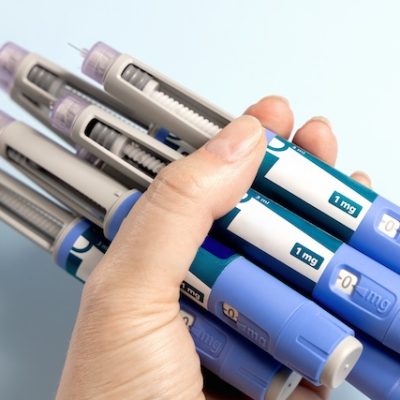
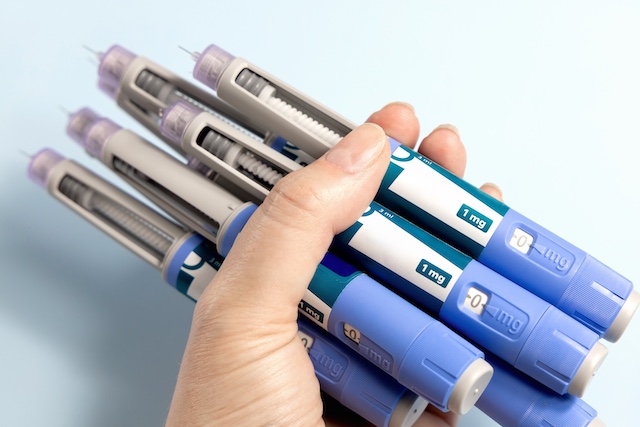
This guideline provides recommendations for three GLP-1 agents used in the long-term treatment of obesity in adults:
- Liraglutide
- Semaglutide
- Tirzepatide
Falsified and substandard products
The surge in global demand has contributed to the spread of falsified and substandard GLP-1 products. WHO stresses that safe access requires:
- Prescription and distribution through regulated, qualified healthcare providers
- Strong oversight and monitoring
- Patient education
- International cooperation to safeguard public health
The organisation warns that falsified or substandard medicines threaten both patient safety and public trust.
CCH insight:
This new guideline is very welcome. The World Health Organisation has been a little slow in recognising obesity as a chronic relapsing disease and the importance of GLP-1 medications as a very important development in obesity treatment. However, these guidelines are comprehensive, consistent with treatment of obesity as a chronic relapsing disease, and recognise the challenges of delivering safe, sustainable, equitable obesity care.