[email protected]

+44 (0)20 3773 4895

logologologo
  • About Us
    • The College
    • Advisory Board
    • Our Faculty and Team
    • Intelligence Hub
  • Topic Areas
    • Obesity Care
    • Digital Health
    • Behaviour Change
  • Courses
    • CPD Short Courses
    • PGCert in Obesity Care
    • PGCert in Digital Health
  • Apply
    • Postgraduate Qualification in Obesity Care
    • Postgraduate Qualification in Digital Health
    • FAQs
  • Resources
    • News
    • Our Publications
    • Monthly News Bulletins
    • Funding Options
  • Contact Us
    • Contact Us
  • Student Login

No products in the cart.

logologologo
  • About Us
    • The College
    • Advisory Board
    • Our Faculty and Team
    • Intelligence Hub
  • Topic Areas
    • Obesity Care
    • Digital Health
    • Behaviour Change
  • Courses
    • CPD Short Courses
    • PGCert in Obesity Care
    • PGCert in Digital Health
  • Apply
    • Postgraduate Qualification in Obesity Care
    • Postgraduate Qualification in Digital Health
    • FAQs
  • Resources
    • News
    • Our Publications
    • Monthly News Bulletins
    • Funding Options
  • Contact Us
    • Contact Us
  • Student Login

No products in the cart.

  • About Us
    • The College
    • Advisory Board
    • Our Faculty and Team
    • Intelligence Hub
  • Topic Areas
    • Obesity Care
    • Digital Health
    • Behaviour Change
  • Courses
    • CPD Short Courses
    • PGCert in Obesity Care
    • PGCert in Digital Health
  • Apply
    • Postgraduate Qualification in Obesity Care
    • Postgraduate Qualification in Digital Health
    • FAQs
  • Resources
    • News
    • Our Publications
    • Monthly News Bulletins
    • Funding Options
  • Contact Us
    • Contact Us
  • Student Login
October 30, 2015 by Nigel Hinchliffe Obesity Care 0 comments

Bariatric surgery alters our brains

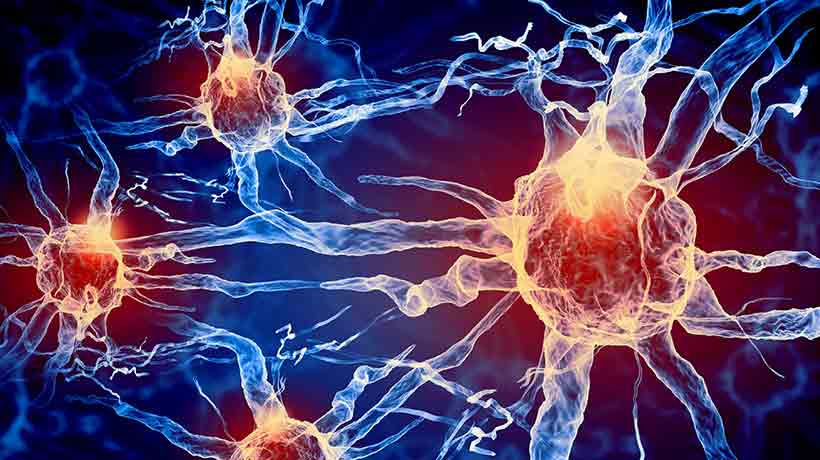
A finnish study has shown that bariatric surgery along with weight loss normalises the brains opioid neurotransmission, which is involved in generating a feeling of pleasure. The research highlights how obesity has an effect at the molecular level within the brain and how much weight loss can affect this. The findings suggest that a lack of opioid receptors (which cause a feeling of pleasure), in the brains of obese individuals, means that they must eat more in order to feel pleasure.

Furthermore, as the levels of receptors normalised after weight loss, it is understood that lower levels in obese people is a consequence of obesity, rather than a cause. This finding helps us understand the molecular involvement of obesity on a much different level than previously thought, and may provide a new option for behavioural and pharmacological treatment.


Read more

PREV
NEXT

Related Posts

Doctor measuring a patient's waist.
July 10, 2024
Beyond BMI: A new framework for diagnosing obesity with a focus on overall health
Read More
July 20, 2015
Can mushrooms fight obesity in the gut?
Read More
August 2, 2017
Being large at birth correlates to childhood obesity
Read More
April 13, 2016
Weight loss and protein diet improves sleep quality
Read More

CCH LINKS

FAQ
HOW TO APPLY
ACADEMIC ADVISORY BOARD
FACULTY AND STAFF
TERMS & CONDITIONS
CCH EDUCATION SERVICES

OUR PARTNERS

NOF
Haringey Obesity Alliance
Skills Active
CPD UK
ASO
REPS
Southwark
DIT
Healthcare Uk
OAC

ABOUT CCH

CONTACT US
[email protected]
+44 (0)20 3773 4895
Technopark, 90 London Road, LONDON, SE1 6LN
 

© The College of Contemporary Health