[email protected]

+44 (0)20 3773 4895

logologologo
  • About Us
    • The College
    • Advisory Board
    • Our Faculty and Team
    • Intelligence Hub
  • Topic Areas
    • Obesity Care
    • Digital Health
    • Behaviour Change
  • Courses
    • CPD Short Courses
    • PGCert in Obesity Care
    • PGCert in Digital Health
  • Apply
    • Postgraduate Qualification in Obesity Care
    • Postgraduate Qualification in Digital Health
    • FAQs
  • Resources
    • News
    • Our Publications
    • Monthly News Bulletins
    • Funding Options
  • Contact Us
    • Contact Us
  • Student Login

No products in the cart.

logologologo
  • About Us
    • The College
    • Advisory Board
    • Our Faculty and Team
    • Intelligence Hub
  • Topic Areas
    • Obesity Care
    • Digital Health
    • Behaviour Change
  • Courses
    • CPD Short Courses
    • PGCert in Obesity Care
    • PGCert in Digital Health
  • Apply
    • Postgraduate Qualification in Obesity Care
    • Postgraduate Qualification in Digital Health
    • FAQs
  • Resources
    • News
    • Our Publications
    • Monthly News Bulletins
    • Funding Options
  • Contact Us
    • Contact Us
  • Student Login

No products in the cart.

  • About Us
    • The College
    • Advisory Board
    • Our Faculty and Team
    • Intelligence Hub
  • Topic Areas
    • Obesity Care
    • Digital Health
    • Behaviour Change
  • Courses
    • CPD Short Courses
    • PGCert in Obesity Care
    • PGCert in Digital Health
  • Apply
    • Postgraduate Qualification in Obesity Care
    • Postgraduate Qualification in Digital Health
    • FAQs
  • Resources
    • News
    • Our Publications
    • Monthly News Bulletins
    • Funding Options
  • Contact Us
    • Contact Us
  • Student Login
October 30, 2015 by Nigel Hinchliffe Obesity Care 0 comments

Can weight loss surgery be a cure for diabetes?

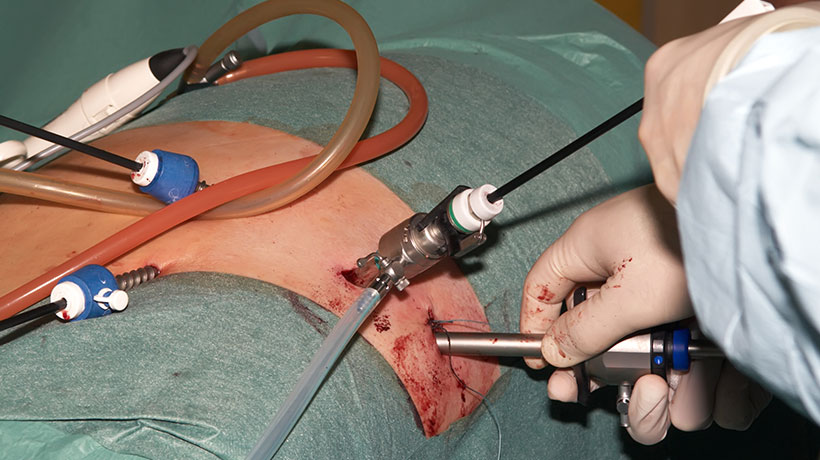
Gastric bypass surgery can lead to remission of type 2 diabetes. A recent study published in the American Journal of Physiology — Regulatory, Integrative and Comparative Physiology, aimed to find out why Roux-en-Y bypass surgery improves insulin sensitivity. Insulin transfers sugar from the blood into storage sites around the body, such as skeletal muscle and fat tissue. Poor insulin sensitivity means that that this process is slowed down, leading to a high blood sugar level, this is commonly known as type 2 diabetes and is prevalent in obese people.

The study looked at abdominal fat and thigh muscle samples taken before and after gastric bypass surgery. Significant improvement was seen in insulin sensitivity by 12 months after surgery, with the greatest improvement being noticed in fat tissue, suggesting that it plays a more prominent role in insulin sensitivity than previously thought. Overall, the study suggests interesting interactions between insulin and fat tissue, whilst showing that Roux-en-Y gastric bypass could contribute more in treating insulin sensitivity.


PREV
NEXT

Related Posts

March 2, 2017
Genetic link between body shape and heart disease
Read More
January 30, 2018
Obesity worsens asthma in preschool children
Read More
A man holding a brain concept image.
June 10, 2024
Significant link between obesity and cognitive decline revealed by Chinese research
Read More
May 22, 2018
Association between obesity with disease-free survival and overall survival in triple-negative breast cancer: A meta-analysis
Read More

CCH LINKS

FAQ
HOW TO APPLY
ACADEMIC ADVISORY BOARD
FACULTY AND STAFF
TERMS & CONDITIONS
CCH EDUCATION SERVICES

OUR PARTNERS

NOF
Haringey Obesity Alliance
Skills Active
CPD UK
ASO
REPS
Southwark
DIT
Healthcare Uk
OAC

ABOUT CCH

CONTACT US
[email protected]
+44 (0)20 3773 4895
Technopark, 90 London Road, LONDON, SE1 6LN
 

© The College of Contemporary Health