[email protected]

+44 (0)20 3773 4895

logologologo
  • About Us
    • The College
    • Advisory Board
    • Our Faculty and Team
    • Intelligence Hub
  • Topic Areas
    • Obesity Care
    • Digital Health
    • Behaviour Change
  • Courses
    • CPD Short Courses
    • PGCert in Obesity Care
    • PGCert in Digital Health
  • Apply
    • Postgraduate Qualification in Obesity Care
    • Postgraduate Qualification in Digital Health
    • FAQs
  • Resources
    • News
    • Our Publications
    • Monthly News Bulletins
    • Funding Options
  • Contact Us
    • Contact Us
  • Student Login

No products in the cart.

logologologo
  • About Us
    • The College
    • Advisory Board
    • Our Faculty and Team
    • Intelligence Hub
  • Topic Areas
    • Obesity Care
    • Digital Health
    • Behaviour Change
  • Courses
    • CPD Short Courses
    • PGCert in Obesity Care
    • PGCert in Digital Health
  • Apply
    • Postgraduate Qualification in Obesity Care
    • Postgraduate Qualification in Digital Health
    • FAQs
  • Resources
    • News
    • Our Publications
    • Monthly News Bulletins
    • Funding Options
  • Contact Us
    • Contact Us
  • Student Login

No products in the cart.

  • About Us
    • The College
    • Advisory Board
    • Our Faculty and Team
    • Intelligence Hub
  • Topic Areas
    • Obesity Care
    • Digital Health
    • Behaviour Change
  • Courses
    • CPD Short Courses
    • PGCert in Obesity Care
    • PGCert in Digital Health
  • Apply
    • Postgraduate Qualification in Obesity Care
    • Postgraduate Qualification in Digital Health
    • FAQs
  • Resources
    • News
    • Our Publications
    • Monthly News Bulletins
    • Funding Options
  • Contact Us
    • Contact Us
  • Student Login
January 12, 2016 by Nigel Hinchliffe Obesity Care 0 comments

Bone structure at risk in obese children

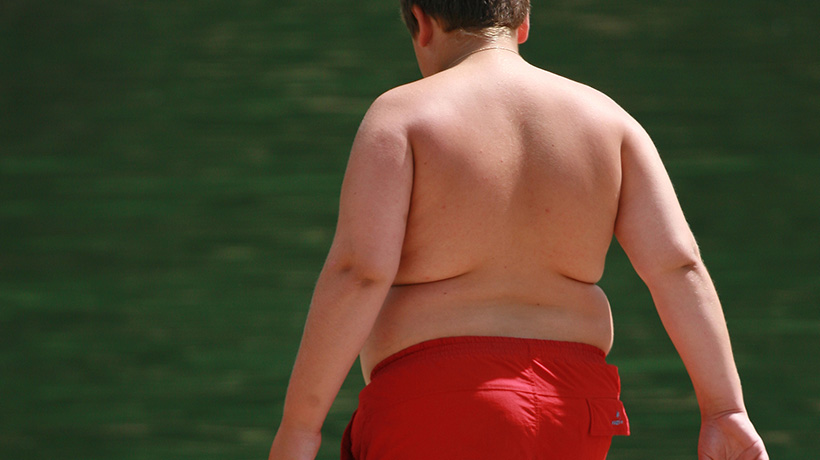
Children under the age of 18 with increased fat mass have compromised bone growth. A recent literature review has found that fat deposited within muscle may have an effect on how bones grow. Joseph Kindler, the study’s lead author, gathered existing research into the effects of muscle and fat mass on bone geometry (the spatial distribution of bone and how dense bone materials are in the body). It is already known that fatter children tend to have more muscle mass, as the body needs to move larger amounts of weight, so needs to be stronger. This study found that increased muscle mass in children will subsequently increase bone growth.

However, the study also discovered that the fat found in obesity is deposited within muscles. The effect of this fat is still being investigated; however it is clear that there is a connection with bone growth, which is possibly negative. A reduction in strength, such as the one seen, could lead to an increased risk of fractures in these children and adolescents. Overall the paper stresses that whilst an increased muscle mass is most likely beneficial for bone geometry, an increased muscle mass accompanied with an increased fat mass may actually be harmful; more research needs to be conducted into this area in order to fully understand the complex mechanisms of bone growth and fat influence.

Read more

PREV
NEXT

Related Posts

August 30, 2017
Changing physicians’ mindsets on obesity
Read More
Child eating at a table
April 19, 2023
Obesity in childhood and puberty linked to higher risk of blood clots in later life
Read More
September 15, 2016
Diabetes treatment occurs 15 times more than obesity management.
Read More
Boy laying down on the grass.
May 20, 2024
Severe obesity in early childhood could halve life expectancy, study shows
Read More

CCH LINKS

FAQ
HOW TO APPLY
ACADEMIC ADVISORY BOARD
FACULTY AND STAFF
TERMS & CONDITIONS
CCH EDUCATION SERVICES

OUR PARTNERS

NOF
Haringey Obesity Alliance
Skills Active
CPD UK
ASO
REPS
Southwark
DIT
Healthcare Uk
OAC

ABOUT CCH

CONTACT US
[email protected]
+44 (0)20 3773 4895
Technopark, 90 London Road, LONDON, SE1 6LN
 

© The College of Contemporary Health