[email protected]

+44 (0)20 3773 4895

logologologo
  • About Us
    • The College
    • Advisory Board
    • Our Faculty and Team
    • Intelligence Hub
  • Topic Areas
    • Obesity Care
    • Digital Health
    • Behaviour Change
  • Courses
    • CPD Short Courses
    • PGCert in Obesity Care
    • PGCert in Digital Health
  • Apply
    • Postgraduate Qualification in Obesity Care
    • Postgraduate Qualification in Digital Health
    • FAQs
  • Resources
    • News
    • Our Publications
    • Monthly News Bulletins
    • Funding Options
  • Contact Us
    • Contact Us
  • Student Login

No products in the cart.

logologologo
  • About Us
    • The College
    • Advisory Board
    • Our Faculty and Team
    • Intelligence Hub
  • Topic Areas
    • Obesity Care
    • Digital Health
    • Behaviour Change
  • Courses
    • CPD Short Courses
    • PGCert in Obesity Care
    • PGCert in Digital Health
  • Apply
    • Postgraduate Qualification in Obesity Care
    • Postgraduate Qualification in Digital Health
    • FAQs
  • Resources
    • News
    • Our Publications
    • Monthly News Bulletins
    • Funding Options
  • Contact Us
    • Contact Us
  • Student Login

No products in the cart.

  • About Us
    • The College
    • Advisory Board
    • Our Faculty and Team
    • Intelligence Hub
  • Topic Areas
    • Obesity Care
    • Digital Health
    • Behaviour Change
  • Courses
    • CPD Short Courses
    • PGCert in Obesity Care
    • PGCert in Digital Health
  • Apply
    • Postgraduate Qualification in Obesity Care
    • Postgraduate Qualification in Digital Health
    • FAQs
  • Resources
    • News
    • Our Publications
    • Monthly News Bulletins
    • Funding Options
  • Contact Us
    • Contact Us
  • Student Login
January 12, 2016 by Nigel Hinchliffe Obesity Care 0 comments

Changes in gut microbiome burn fewer calories

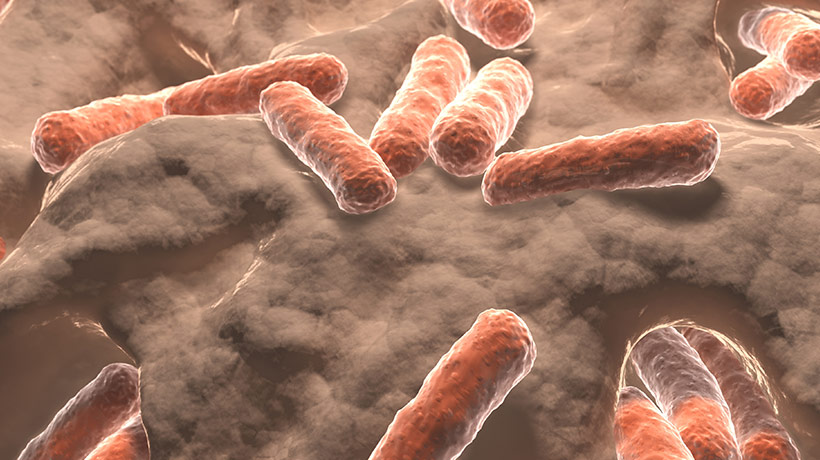
Many anti-psychotic drugs induce weight gain. A new study conducted at the University of Iowa has concluded this may be due to alteration of the gut microbiome, changes in which have been associated with obesity. The researchers analysed the effects of the drug risperidone, an anti-psychotic drug that is commonly prescribed to adults and children as treatment for disorders including autism, bipolar, and schizophrenia. The researchers were building on previous knowledge that showed that risperidone increases weight in humans, however they did not know what the mechanism was, until now.

Using mouse models, they were able to measure changes in the gut microbiome that caused a reduction in resting metabolic rate. This shift eventually led to obesity in the risperidone mice, whereas the control mice had normal weight gain with age. The measurements were taken using a total calorimetry machine, which accurately measures energy intake, oxygen consumption, carbon dioxide output and heat production, that allowed the researchers to accurately determine the total energy changes of the mice and their metabolic rates. They were also able to repeat the results by faecal transplants from the risperidone mice to the control mice, proving that the weight changes were due to a microbiome change in the drug-using mice. The study as a whole suggests that manipulation of gut bacteria, and specifically the resting metabolic rate, may prove beneficial for patients undergoing risperidone treatment, but also for those suffering from obesity in general.

Read more

PREV
NEXT

Related Posts

February 14, 2018
Effect of 7 days of exercise on exogenous carbohydrate oxidation and insulin resistance in children with obesity
Read More
November 23, 2016
Canola oil reduces fat
Read More
Multi colored tortilla chips in trays.
August 29, 2024
Rising BMI and fat mass linked to ultra-processed food consumption in young Chilean children
Read More
Child in a deep sleep.
August 25, 2023
Child sleep apnea severity linked to obesity, finds new study
Read More

CCH LINKS

FAQ
HOW TO APPLY
ACADEMIC ADVISORY BOARD
FACULTY AND STAFF
TERMS & CONDITIONS
CCH EDUCATION SERVICES

OUR PARTNERS

NOF
Haringey Obesity Alliance
Skills Active
CPD UK
ASO
REPS
Southwark
DIT
Healthcare Uk
OAC

ABOUT CCH

CONTACT US
[email protected]
+44 (0)20 3773 4895
Technopark, 90 London Road, LONDON, SE1 6LN
 

© The College of Contemporary Health