[email protected]

+44 (0)20 3773 4895

logologologo
  • About Us
    • The College
    • Advisory Board
    • Our Faculty and Team
    • Intelligence Hub
  • Topic Areas
    • Obesity Care
    • Digital Health
    • Behaviour Change
  • Courses
    • CPD Short Courses
    • PGCert in Obesity Care
    • PGCert in Digital Health
  • Apply
    • Postgraduate Qualification in Obesity Care
    • Postgraduate Qualification in Digital Health
    • FAQs
  • Resources
    • News
    • Our Publications
    • Monthly News Bulletins
    • Funding Options
  • Contact Us
    • Contact Us
  • Student Login

No products in the cart.

logologologo
  • About Us
    • The College
    • Advisory Board
    • Our Faculty and Team
    • Intelligence Hub
  • Topic Areas
    • Obesity Care
    • Digital Health
    • Behaviour Change
  • Courses
    • CPD Short Courses
    • PGCert in Obesity Care
    • PGCert in Digital Health
  • Apply
    • Postgraduate Qualification in Obesity Care
    • Postgraduate Qualification in Digital Health
    • FAQs
  • Resources
    • News
    • Our Publications
    • Monthly News Bulletins
    • Funding Options
  • Contact Us
    • Contact Us
  • Student Login

No products in the cart.

  • About Us
    • The College
    • Advisory Board
    • Our Faculty and Team
    • Intelligence Hub
  • Topic Areas
    • Obesity Care
    • Digital Health
    • Behaviour Change
  • Courses
    • CPD Short Courses
    • PGCert in Obesity Care
    • PGCert in Digital Health
  • Apply
    • Postgraduate Qualification in Obesity Care
    • Postgraduate Qualification in Digital Health
    • FAQs
  • Resources
    • News
    • Our Publications
    • Monthly News Bulletins
    • Funding Options
  • Contact Us
    • Contact Us
  • Student Login
August 23, 2016 by Nigel Hinchliffe Obesity Care 0 comments

Brains of obese people show premature ageing

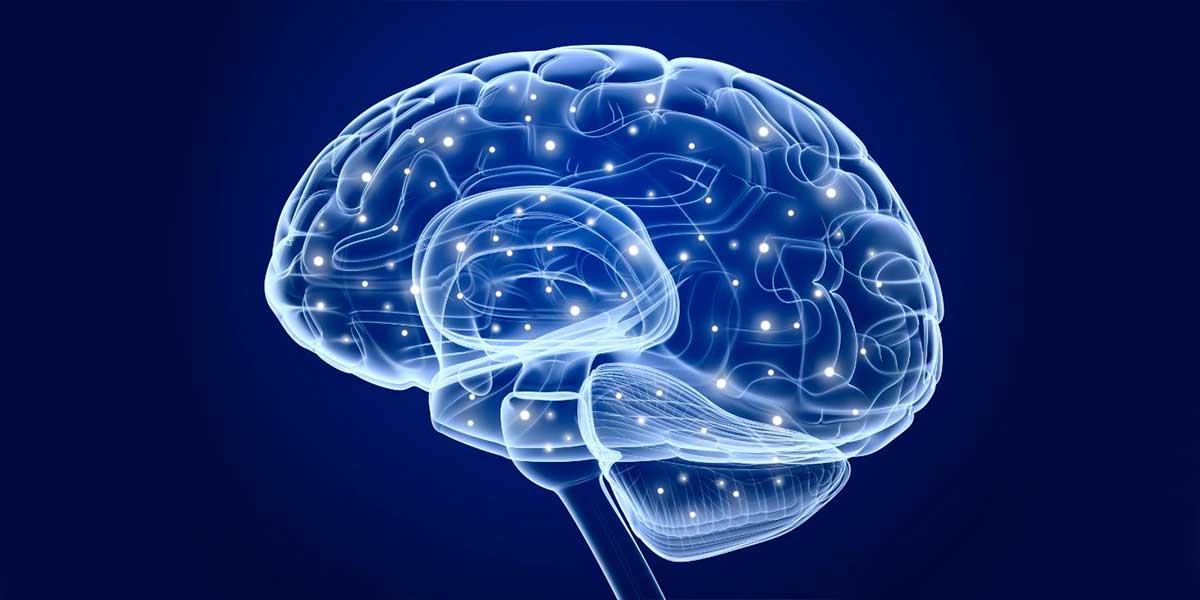
A study performed at the University of Cambridge has found that the brains of obese individuals display the differences seen in lean individuals that are 10 years their senior. Brains are known to shrink with age and these changes are found in the white matter part of the brain. This study analysed cross-sectional data from 473 individuals and found that the white matter of obese individuals was different to that of a lean person of the same age, but the same of that of a lean person 10 years older.

The researchers only noticed this difference in middle-aged and older individuals, suggesting that our brains are more vulnerable during this period of time. Dr Lisa Ronan, from the Department of Psychiatry at the University, explained that we are still unsure what the specific mechanisms involved are. However, the team further mentioned that the combination of the ageing population as well as the rise of obesity meant that this issue will be very important in the coming years and that they are hoping to continue this work in the future.

PREV
NEXT

Related Posts

Obesity and Gum Disease
February 23, 2022
Obesity raises risk of gum disease
Read More
Abstract photo of protein under a microscope.
November 11, 2025
Scientists Discover Key Protein Triggering Inflammation Linked to Obesity and Type 2 Diabetes
Read More
Kimchi cabbage in a glass jar.
November 22, 2024
Kimchi found to significantly reduce body fat and help tackle obesity
Read More
A girl eating grapes on the couch.
January 13, 2025
Childhood obesity and poor heart health linked to increased dementia risk later in life
Read More

CCH LINKS

FAQ
HOW TO APPLY
ACADEMIC ADVISORY BOARD
FACULTY AND STAFF
TERMS & CONDITIONS
CCH EDUCATION SERVICES

OUR PARTNERS

NOF
Haringey Obesity Alliance
Skills Active
CPD UK
ASO
REPS
Southwark
DIT
Healthcare Uk
OAC

ABOUT CCH

CONTACT US
[email protected]
+44 (0)20 3773 4895
Technopark, 90 London Road, LONDON, SE1 6LN
 

© The College of Contemporary Health