[email protected]

+44 (0)20 3773 4895

logologologo
  • About Us
    • The College
    • Advisory Board
    • Our Faculty and Team
    • Intelligence Hub
  • Topic Areas
    • Obesity Care
    • Digital Health
    • Behaviour Change
  • Courses
    • CPD Short Courses
    • PGCert in Obesity Care
    • PGCert in Digital Health
  • Apply
    • Postgraduate Qualification in Obesity Care
    • Postgraduate Qualification in Digital Health
    • FAQs
  • Resources
    • News
    • Our Publications
    • Monthly News Bulletins
    • Funding Options
  • Contact Us
    • Contact Us
  • Student Login

No products in the cart.

logologologo
  • About Us
    • The College
    • Advisory Board
    • Our Faculty and Team
    • Intelligence Hub
  • Topic Areas
    • Obesity Care
    • Digital Health
    • Behaviour Change
  • Courses
    • CPD Short Courses
    • PGCert in Obesity Care
    • PGCert in Digital Health
  • Apply
    • Postgraduate Qualification in Obesity Care
    • Postgraduate Qualification in Digital Health
    • FAQs
  • Resources
    • News
    • Our Publications
    • Monthly News Bulletins
    • Funding Options
  • Contact Us
    • Contact Us
  • Student Login

No products in the cart.

  • About Us
    • The College
    • Advisory Board
    • Our Faculty and Team
    • Intelligence Hub
  • Topic Areas
    • Obesity Care
    • Digital Health
    • Behaviour Change
  • Courses
    • CPD Short Courses
    • PGCert in Obesity Care
    • PGCert in Digital Health
  • Apply
    • Postgraduate Qualification in Obesity Care
    • Postgraduate Qualification in Digital Health
    • FAQs
  • Resources
    • News
    • Our Publications
    • Monthly News Bulletins
    • Funding Options
  • Contact Us
    • Contact Us
  • Student Login
September 14, 2016 by Nigel Hinchliffe Obesity Care 0 comments

Caesarean sections increase risk of obesity in children

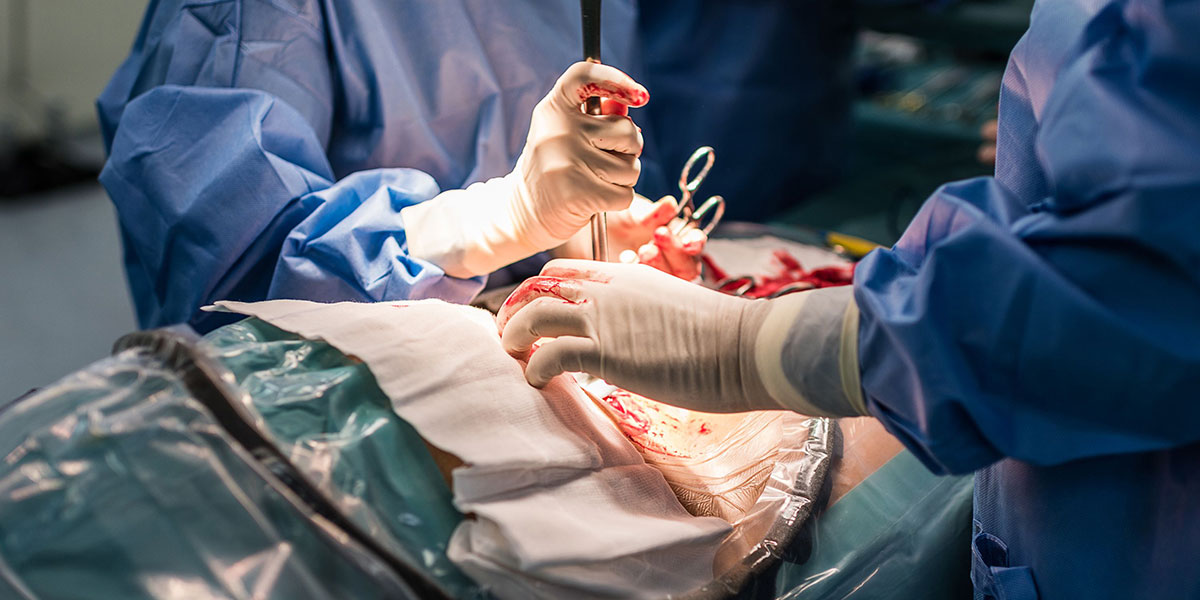
A large study, originating from Harvard T.H. Chan School of Public Health, has found that children delivered using caesarean section were 15% more likely to become obese compared to children who were delivered vaginally. Babies born by C-section were also 64% more likely to be obese than their vaginally birthed siblings. Whilst C-sections often are a necessary and lifesaving procedure, there are many known risks to the mother and the baby. Jorge Chavarro, senior author, suggests that increased risk of obesity should be added to that list.

Each year almost a third of all deliveries in the USA are C-sections, and whilst other studies have suggested a link to obesity, this is the largest and most detailed research into the area. 22,000 participants were followed over 16 years and factors such as the mother’s pre-pregnancy BMI, smoking and diabetes status, age at delivery and location were also taken into account. Dr Chavarro explained that this study provided clear evidence that the association between C-section births and childhood obesity was real.


PREV
NEXT

Related Posts

August 23, 2016
Brains of obese people show premature ageing
Read More
Medication on a table.
June 16, 2025
Global study provides practical guidance on antibiotic dosing for people with obesity
Read More
August 27, 2016
Reduction of body weight after replacement of sugary drinks with water
Read More
February 19, 2016
Does obesity affect your memory?
Read More

CCH LINKS

FAQ
HOW TO APPLY
ACADEMIC ADVISORY BOARD
FACULTY AND STAFF
TERMS & CONDITIONS
CCH EDUCATION SERVICES

OUR PARTNERS

NOF
Haringey Obesity Alliance
Skills Active
CPD UK
ASO
REPS
Southwark
DIT
Healthcare Uk
OAC

ABOUT CCH

CONTACT US
[email protected]
+44 (0)20 3773 4895
Technopark, 90 London Road, LONDON, SE1 6LN
 

© The College of Contemporary Health