[email protected]

+44 (0)20 3773 4895

logologologo
  • About Us
    • The College
    • Advisory Board
    • Our Faculty and Team
    • Intelligence Hub
  • Topic Areas
    • Obesity Care
    • Digital Health
    • Behaviour Change
  • Courses
    • CPD Short Courses
    • PGCert in Obesity Care
    • PGCert in Digital Health
  • Apply
    • Postgraduate Qualification in Obesity Care
    • Postgraduate Qualification in Digital Health
    • FAQs
  • Resources
    • News
    • Our Publications
    • Monthly News Bulletins
    • Funding Options
  • Contact Us
    • Contact Us
  • Student Login

No products in the cart.

logologologo
  • About Us
    • The College
    • Advisory Board
    • Our Faculty and Team
    • Intelligence Hub
  • Topic Areas
    • Obesity Care
    • Digital Health
    • Behaviour Change
  • Courses
    • CPD Short Courses
    • PGCert in Obesity Care
    • PGCert in Digital Health
  • Apply
    • Postgraduate Qualification in Obesity Care
    • Postgraduate Qualification in Digital Health
    • FAQs
  • Resources
    • News
    • Our Publications
    • Monthly News Bulletins
    • Funding Options
  • Contact Us
    • Contact Us
  • Student Login

No products in the cart.

  • About Us
    • The College
    • Advisory Board
    • Our Faculty and Team
    • Intelligence Hub
  • Topic Areas
    • Obesity Care
    • Digital Health
    • Behaviour Change
  • Courses
    • CPD Short Courses
    • PGCert in Obesity Care
    • PGCert in Digital Health
  • Apply
    • Postgraduate Qualification in Obesity Care
    • Postgraduate Qualification in Digital Health
    • FAQs
  • Resources
    • News
    • Our Publications
    • Monthly News Bulletins
    • Funding Options
  • Contact Us
    • Contact Us
  • Student Login
August 27, 2016 by Nigel Hinchliffe Obesity Care 0 comments

Reduction of body weight after replacement of sugary drinks with water

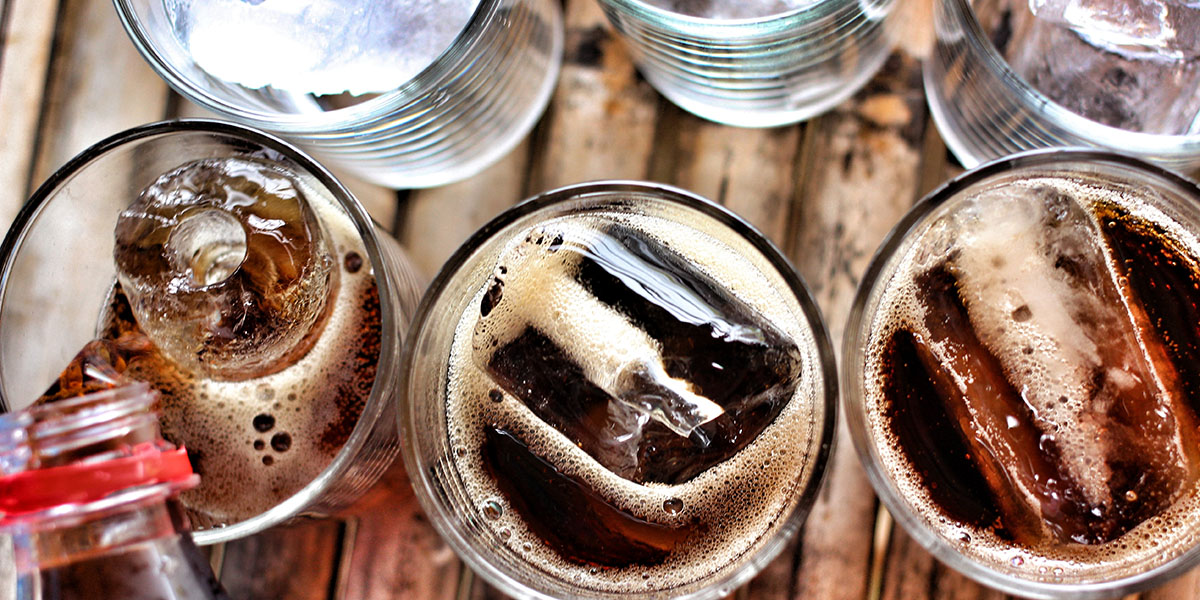
A study from Virginia Tech has modelled the effects of replacing one-sugar sweetened drink with water, regardless of the amount of sugary drinks one normally consumes. It is well known that the consumption of high-calorie sugary drinks such as soda and energy drinks can increase the risk of developing obesity and cardiovascular disease. The study showed that this drink swap reduced overall daily calories and the prevalence of obesity amongst sugary beverage drinking populations.

The modelling showed that on average, replacing a sugary drink with water reduced the number of calories consumed from drinks from 17% to 11%. The study authors used a scoring system known as the Healthy Beverage Index which is used to evaluate individual beverage patterns and their relation to diet and health. Higher scores are meant to correlate with better cholesterol levels and lower hypertension levels. The index was developed by the same authors of this study. Its overall aim is to help people identify what and how much they should be drinking. The authors are hoping to continue this research and assess the effects of diet drinks on health.
PREV
NEXT

Related Posts

February 17, 2017
New guidelines on paediatric obesity
Read More
May 25, 2016
Average BMI associated with lowest risk of death increases
Read More
Man sitting and smoking a cigarette.
February 24, 2025
Smoking and obesity combined may greatly accelerate multiple sclerosis progression, study finds
Read More
Assortment of protein bars on a table.
June 4, 2025
Collagen-based protein bars may support weight loss, study suggests
Read More

CCH LINKS

FAQ
HOW TO APPLY
ACADEMIC ADVISORY BOARD
FACULTY AND STAFF
TERMS & CONDITIONS
CCH EDUCATION SERVICES

OUR PARTNERS

NOF
Haringey Obesity Alliance
Skills Active
CPD UK
ASO
REPS
Southwark
DIT
Healthcare Uk
OAC

ABOUT CCH

CONTACT US
[email protected]
+44 (0)20 3773 4895
Technopark, 90 London Road, LONDON, SE1 6LN
 

© The College of Contemporary Health