[email protected]

+44 (0)20 3773 4895

logologologo
  • About Us
    • The College
    • Advisory Board
    • Our Faculty and Team
    • Intelligence Hub
  • Topic Areas
    • Obesity Care
    • Digital Health
    • Behaviour Change
  • Courses
    • CPD Short Courses
    • PGCert in Obesity Care
    • PGCert in Digital Health
  • Apply
    • Postgraduate Qualification in Obesity Care
    • Postgraduate Qualification in Digital Health
    • FAQs
  • Resources
    • News
    • Our Publications
    • Monthly News Bulletins
    • Funding Options
  • Contact Us
    • Contact Us
  • Student Login

No products in the cart.

logologologo
  • About Us
    • The College
    • Advisory Board
    • Our Faculty and Team
    • Intelligence Hub
  • Topic Areas
    • Obesity Care
    • Digital Health
    • Behaviour Change
  • Courses
    • CPD Short Courses
    • PGCert in Obesity Care
    • PGCert in Digital Health
  • Apply
    • Postgraduate Qualification in Obesity Care
    • Postgraduate Qualification in Digital Health
    • FAQs
  • Resources
    • News
    • Our Publications
    • Monthly News Bulletins
    • Funding Options
  • Contact Us
    • Contact Us
  • Student Login

No products in the cart.

  • About Us
    • The College
    • Advisory Board
    • Our Faculty and Team
    • Intelligence Hub
  • Topic Areas
    • Obesity Care
    • Digital Health
    • Behaviour Change
  • Courses
    • CPD Short Courses
    • PGCert in Obesity Care
    • PGCert in Digital Health
  • Apply
    • Postgraduate Qualification in Obesity Care
    • Postgraduate Qualification in Digital Health
    • FAQs
  • Resources
    • News
    • Our Publications
    • Monthly News Bulletins
    • Funding Options
  • Contact Us
    • Contact Us
  • Student Login
February 23, 2022 by Nicholas Feenie Obesity Care 0 comments

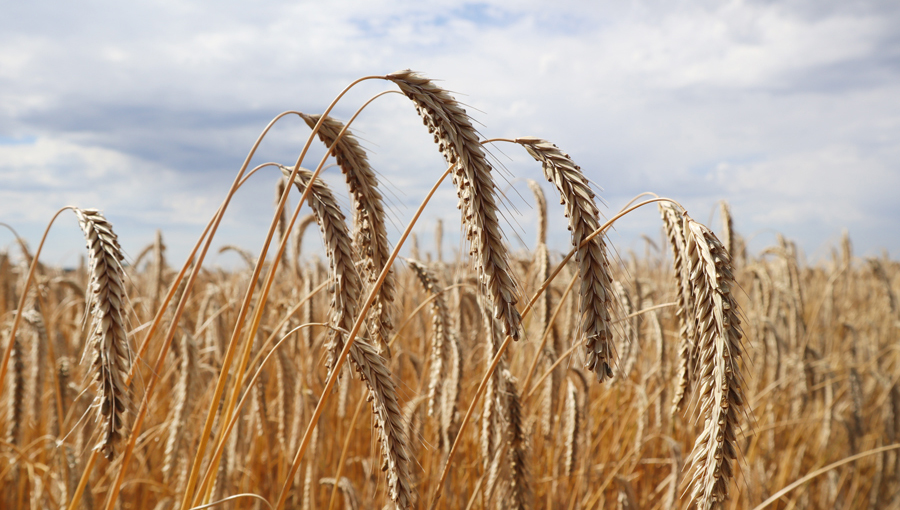
Can rye help reduce weight and obesity?

New research published in Clinical Nutrition has indicated that consuming whole grain rye products can benefit your health greater than refined wheat products. The new study was conducted at Chalmers University of Technology, Sweden. It examined how people lost more body fat and weight when eating a diet with high-fibre products containing whole grain rye, compared to those who ate refined wheat products.

This study is the biggest to look at the consequences of consuming specific grains on body weight and body fat, and the first to examine rye specifically. Scientists have also suggested that obesity is caused by what we are eating, and not by how much.

Researchers analysed 242 men and women with overweight aged from 30 to 70 for 12 weeks. Their weight, body composition, blood samples, and appetite was examined at the start, halfway through, and end of the study. The participants were given a specific daily quantity of either whole grain rye or refined wheat, both with the same energy value, and were given the same guidance from a dietician on how to eat healthily.

Although both the rye and wheat groups lost weight during the study, those who ate rye products lost an average of one kilogram more than those who ate wheat products, with the difference attributable to fat loss.

“Although we saw an overall difference in weight loss between the rye and the wheat group, there was also very large variation within those groups. Increasing our understanding of why different people respond differently to the same foods can pave the way for more specifically tailored diets based on individual needs,” says Rikard Landberg, Professor of Food and Health at Chalmers University of Technology.

Obesity and excess weight are among the biggest health challenges in the world and require many different measures. One idea is to develop foods that contribute to an increased feeling of fullness and have positive effects on metabolism, and previous studies had observed that those who eat rye, which has a very high content of dietary fibre, feel more full than those who eat the corresponding amount of energy in the form of refined wheat.

“But surprisingly,” says Kia Nøhr Iversen, “in this study, we actually never observed any difference in appetite. We think this may be simply because the method we used to measure appetite was not good enough. We are therefore working on evaluating and developing the method further.”

PREV
NEXT

Related Posts

Close up hand of student reading and writing during an exam
October 5, 2023
Unprecedented surge in applications for obesity medicine certification among U.S. physicians
Read More
April 19, 2018
Famine Exposure During Early Life May Lead to an Increased BMI in Adulthood
Read More
Mixture of ultra processed foods.
February 7, 2024
Comprehensive analysis shows ultra-processed foods elevate metabolic disease risks
Read More
DNA double helix against a dark background.
October 29, 2025
Age and Sex Shape Obesity’s Impact on Major Diseases, Large Genetic Study Finds
Read More

CCH LINKS

FAQ
HOW TO APPLY
ACADEMIC ADVISORY BOARD
FACULTY AND STAFF
TERMS & CONDITIONS
CCH EDUCATION SERVICES

OUR PARTNERS

NOF
Haringey Obesity Alliance
Skills Active
CPD UK
ASO
REPS
Southwark
DIT
Healthcare Uk
OAC

ABOUT CCH

CONTACT US
[email protected]
+44 (0)20 3773 4895
Technopark, 90 London Road, LONDON, SE1 6LN
 

© The College of Contemporary Health