[email protected]

+44 (0)20 3773 4895

logologologo
  • About Us
    • The College
    • Advisory Board
    • Our Faculty and Team
    • Intelligence Hub
  • Topic Areas
    • Obesity Care
    • Digital Health
    • Behaviour Change
  • Courses
    • CPD Short Courses
    • PGCert in Obesity Care
    • PGCert in Digital Health
  • Apply
    • Postgraduate Qualification in Obesity Care
    • Postgraduate Qualification in Digital Health
    • FAQs
  • Resources
    • News
    • Our Publications
    • Monthly News Bulletins
    • Funding Options
  • Contact Us
    • Contact Us
  • Student Login

No products in the cart.

logologologo
  • About Us
    • The College
    • Advisory Board
    • Our Faculty and Team
    • Intelligence Hub
  • Topic Areas
    • Obesity Care
    • Digital Health
    • Behaviour Change
  • Courses
    • CPD Short Courses
    • PGCert in Obesity Care
    • PGCert in Digital Health
  • Apply
    • Postgraduate Qualification in Obesity Care
    • Postgraduate Qualification in Digital Health
    • FAQs
  • Resources
    • News
    • Our Publications
    • Monthly News Bulletins
    • Funding Options
  • Contact Us
    • Contact Us
  • Student Login

No products in the cart.

  • About Us
    • The College
    • Advisory Board
    • Our Faculty and Team
    • Intelligence Hub
  • Topic Areas
    • Obesity Care
    • Digital Health
    • Behaviour Change
  • Courses
    • CPD Short Courses
    • PGCert in Obesity Care
    • PGCert in Digital Health
  • Apply
    • Postgraduate Qualification in Obesity Care
    • Postgraduate Qualification in Digital Health
    • FAQs
  • Resources
    • News
    • Our Publications
    • Monthly News Bulletins
    • Funding Options
  • Contact Us
    • Contact Us
  • Student Login
March 2, 2017 by Nigel Hinchliffe Obesity Care 0 comments

Childhood weight is 35-40% inherited

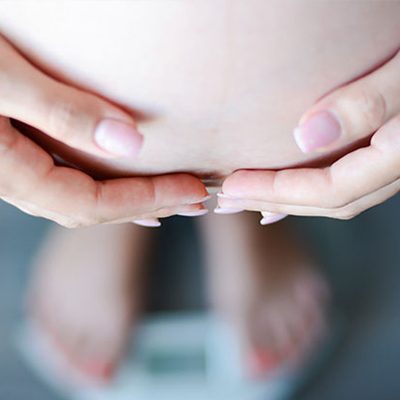
A new study from the University of Sussex has found that 35-40% of a child’s BMI is inherited from their parents. For obese children this proportion rises to approximately 55-60%. The research used data from 100,000 children and their parents across the globe and found that intergenerational transmission of BMI is around 0.2, or 20% each from the mother and father. Interestingly, the results were consistent across the different countries, with varying lifestyle factors coming into play, suggesting that this is not just an isolated phenomenon.

The study also found that the effect was more pronounced when a child was heavier. The ‘parental effect’ was higher in more obese children; for thin children, the association is likely to be 10% each from the mother and father, for the heavier child this could go up to 30%. The results highlight that obesity is not only due to lifestyle factors but also genetic and family factors, and therefore it may be wise to monitor the weight of children especially if their parents are overweight or obese.


PREV
NEXT

Related Posts

Obesity and frailty
March 7, 2023
Obesity can lead to frailty in old age, study finds
Read More
Typical fast food on a table
May 15, 2023
High obesity-related cancer mortality linked to easy access to fast food
Read More
August 21, 2018
Interactive effects of parenting behaviour and regulatory skills in toddlerhood on child weight outcomes
Read More
January 18, 2017
Eating routinely may help shed fat
Read More

CCH LINKS

FAQ
HOW TO APPLY
ACADEMIC ADVISORY BOARD
FACULTY AND STAFF
TERMS & CONDITIONS
CCH EDUCATION SERVICES

OUR PARTNERS

NOF
Haringey Obesity Alliance
Skills Active
CPD UK
ASO
REPS
Southwark
DIT
Healthcare Uk
OAC

ABOUT CCH

CONTACT US
[email protected]
+44 (0)20 3773 4895
Technopark, 90 London Road, LONDON, SE1 6LN
 

© The College of Contemporary Health