[email protected]

+44 (0)20 3773 4895

logologologo
  • About Us
    • The College
    • Advisory Board
    • Our Faculty and Team
    • Intelligence Hub
  • Topic Areas
    • Obesity Care
    • Digital Health
    • Behaviour Change
  • Courses
    • CPD Short Courses
    • PGCert in Obesity Care
    • PGCert in Digital Health
  • Apply
    • Postgraduate Qualification in Obesity Care
    • Postgraduate Qualification in Digital Health
    • FAQs
  • Resources
    • News
    • Our Publications
    • Monthly News Bulletins
    • Funding Options
  • Contact Us
    • Contact Us
  • Student Login

No products in the cart.

logologologo
  • About Us
    • The College
    • Advisory Board
    • Our Faculty and Team
    • Intelligence Hub
  • Topic Areas
    • Obesity Care
    • Digital Health
    • Behaviour Change
  • Courses
    • CPD Short Courses
    • PGCert in Obesity Care
    • PGCert in Digital Health
  • Apply
    • Postgraduate Qualification in Obesity Care
    • Postgraduate Qualification in Digital Health
    • FAQs
  • Resources
    • News
    • Our Publications
    • Monthly News Bulletins
    • Funding Options
  • Contact Us
    • Contact Us
  • Student Login

No products in the cart.

  • About Us
    • The College
    • Advisory Board
    • Our Faculty and Team
    • Intelligence Hub
  • Topic Areas
    • Obesity Care
    • Digital Health
    • Behaviour Change
  • Courses
    • CPD Short Courses
    • PGCert in Obesity Care
    • PGCert in Digital Health
  • Apply
    • Postgraduate Qualification in Obesity Care
    • Postgraduate Qualification in Digital Health
    • FAQs
  • Resources
    • News
    • Our Publications
    • Monthly News Bulletins
    • Funding Options
  • Contact Us
    • Contact Us
  • Student Login
March 31, 2016 by Nigel Hinchliffe Obesity Care 0 comments

Children with a high BMI more likely to have pedestrian injuries

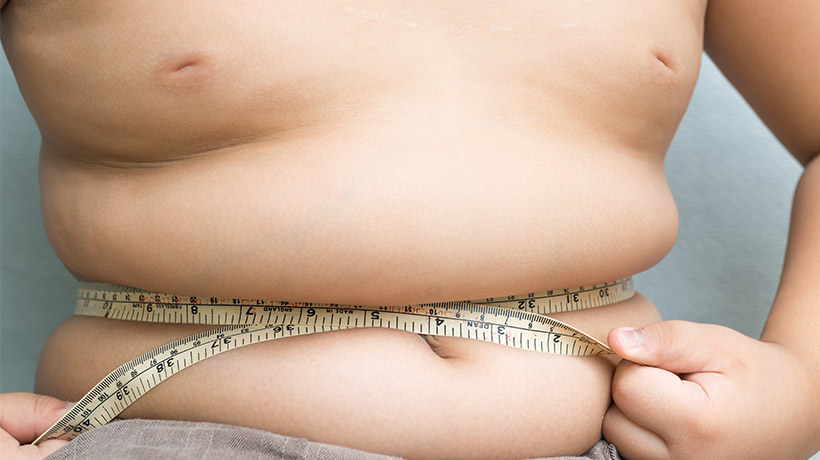
A study conducted at the University of Iowa has shown that overweight and obese children are at a greater risk for pedestrian injury. The researchers examined 206 children between the ages of 7 and 8 in a virtual environment. By studying the choices that these children make in traffic simulations they found that obese children were more impulsive and impatient than their peers. The children completed 30 virtual road crossings and were also asked to choose between different pedestrian routes. The researchers also found that girls are more cautious at road junctions than boys.

Elizabeth O’Neal, the lead author, explained that examining the risk of pedestrian injury represented a new avenue of research in childhood obesity and that it was not well developed. She went on to speculate that one of the reasons why these children are making riskier choices at road intersections was because obesity puts increased stress on the joints, and these children are merely trying to expedite the crossing to reduce this. The choices that these children make may however be more of a reflection of the increased impulsivity of obese people and show how obesity affects behaviours that can have large impacts on health.

Read more

PREV
NEXT

Related Posts

June 27, 2017
Specialist clinics key to tackling obesity complications in pregnancy
Read More
Bariatric Surgery
February 23, 2022
Bariatric surgery may reduce cancer risk in patients with obesity and type 2 diabetes
Read More
Close-up of a sliced open red pomegranate.
November 29, 2023
Pomegranate proves potent in metabolic health management
Read More
May 10, 2015
Weight loss and exercise improves fertility in women with PCOS
Read More

CCH LINKS

FAQ
HOW TO APPLY
ACADEMIC ADVISORY BOARD
FACULTY AND STAFF
TERMS & CONDITIONS
CCH EDUCATION SERVICES

OUR PARTNERS

NOF
Haringey Obesity Alliance
Skills Active
CPD UK
ASO
REPS
Southwark
DIT
Healthcare Uk
OAC

ABOUT CCH

CONTACT US
[email protected]
+44 (0)20 3773 4895
Technopark, 90 London Road, LONDON, SE1 6LN
 

© The College of Contemporary Health