
[email protected]

+44 (0)20 3773 4895

logologologo
  • About Us
    • The College
    • Advisory Board
    • Our Faculty and Team
    • Intelligence Hub
  • Topic Areas
    • Obesity Care
    • Digital Health
    • Behaviour Change
  • Courses
    • CPD Short Courses
    • PGCert in Obesity Care
    • PGCert in Digital Health
  • Apply
    • Postgraduate Qualification in Obesity Care
    • Postgraduate Qualification in Digital Health
    • FAQs
  • Resources
    • News
    • Our Publications
    • Monthly News Bulletins
    • Funding Options
  • Contact Us
    • Contact Us
  • Student Login

No products in the cart.

logologologo
  • About Us
    • The College
    • Advisory Board
    • Our Faculty and Team
    • Intelligence Hub
  • Topic Areas
    • Obesity Care
    • Digital Health
    • Behaviour Change
  • Courses
    • CPD Short Courses
    • PGCert in Obesity Care
    • PGCert in Digital Health
  • Apply
    • Postgraduate Qualification in Obesity Care
    • Postgraduate Qualification in Digital Health
    • FAQs
  • Resources
    • News
    • Our Publications
    • Monthly News Bulletins
    • Funding Options
  • Contact Us
    • Contact Us
  • Student Login

No products in the cart.

  • About Us
    • The College
    • Advisory Board
    • Our Faculty and Team
    • Intelligence Hub
  • Topic Areas
    • Obesity Care
    • Digital Health
    • Behaviour Change
  • Courses
    • CPD Short Courses
    • PGCert in Obesity Care
    • PGCert in Digital Health
  • Apply
    • Postgraduate Qualification in Obesity Care
    • Postgraduate Qualification in Digital Health
    • FAQs
  • Resources
    • News
    • Our Publications
    • Monthly News Bulletins
    • Funding Options
  • Contact Us
    • Contact Us
  • Student Login
November 30, 2015 by Nigel Hinchliffe Obesity Care 0 comments

Clinicians not seeing obesity through the eyes of the patient

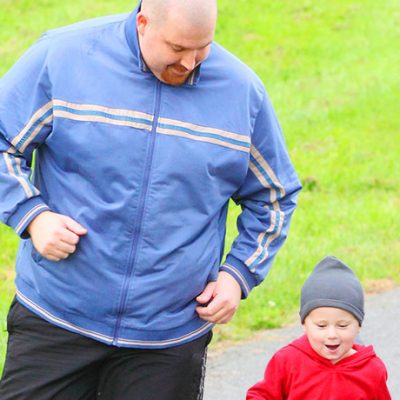
There is a deep disconnect between the way patients perceive obesity, and their healthcare providers. This is based on a recent qualitative study, due to be released in 2016; it suggests that clinicians are far too scientific in their understanding, and look at obesity with thoughts of health and disease, whilst the people they are treating see it more through the lens of lifestyle and social relationships. The findings from the small study, which was supported by the Obesity Society, show that many people face harsh challenges over their weight because of the view that obesity is a lifestyle issue that can be overcome simply, by eating less and being more active. What many healthcare providers fail to realise is that obesity is a complex disease, and requires a holistic and complete care approach in order to tackle it effectively.

The study also found that 75% of people with obesity regarded themselves as ‘healthy’, showing a clear disconnect between them and their clinicians. Overall these results highlight the fact that a lack of understanding and empathy between the two parties leads to a lack of effective communication. This prolongs treatment and reduces its efficacy. Further studies into this issue are due to be conducted, and on a larger scale.

Read more

PREV
NEXT

Related Posts

August 19, 2015
Anti-fat bias from teachers
Read More
White salt in shaker.
April 4, 2025
High sodium intake strongly linked to increased risk of both general and abdominal obesity, Finnish study finds
Read More
May 10, 2015
Weight loss and exercise improves fertility in women with PCOS
Read More
Father and baby daughter sitting outside together.
June 10, 2026
Childhood Obesity Risk May Begin With Fathers, Long Before Birth
Read More

CCH LINKS

FAQ
HOW TO APPLY
ACADEMIC ADVISORY BOARD
FACULTY AND STAFF
TERMS & CONDITIONS
CCH EDUCATION SERVICES

OUR PARTNERS

NOF
Haringey Obesity Alliance
Skills Active
CPD UK
ASO
REPS
Southwark
DIT
Healthcare Uk
OAC

ABOUT CCH

CONTACT US
[email protected]
+44 (0)20 3773 4895
Technopark, 90 London Road, LONDON, SE1 6LN
 

© The College of Contemporary Health