[email protected]

+44 (0)20 3773 4895

logologologo
  • About Us
    • The College
    • Advisory Board
    • Our Faculty and Team
    • Intelligence Hub
  • Topic Areas
    • Obesity Care
    • Digital Health
    • Behaviour Change
  • Courses
    • CPD Short Courses
    • PGCert in Obesity Care
    • PGCert in Digital Health
  • Apply
    • Postgraduate Qualification in Obesity Care
    • Postgraduate Qualification in Digital Health
    • FAQs
  • Resources
    • News
    • Our Publications
    • Monthly News Bulletins
    • Funding Options
  • Contact Us
    • Contact Us
  • Student Login

No products in the cart.

logologologo
  • About Us
    • The College
    • Advisory Board
    • Our Faculty and Team
    • Intelligence Hub
  • Topic Areas
    • Obesity Care
    • Digital Health
    • Behaviour Change
  • Courses
    • CPD Short Courses
    • PGCert in Obesity Care
    • PGCert in Digital Health
  • Apply
    • Postgraduate Qualification in Obesity Care
    • Postgraduate Qualification in Digital Health
    • FAQs
  • Resources
    • News
    • Our Publications
    • Monthly News Bulletins
    • Funding Options
  • Contact Us
    • Contact Us
  • Student Login

No products in the cart.

  • About Us
    • The College
    • Advisory Board
    • Our Faculty and Team
    • Intelligence Hub
  • Topic Areas
    • Obesity Care
    • Digital Health
    • Behaviour Change
  • Courses
    • CPD Short Courses
    • PGCert in Obesity Care
    • PGCert in Digital Health
  • Apply
    • Postgraduate Qualification in Obesity Care
    • Postgraduate Qualification in Digital Health
    • FAQs
  • Resources
    • News
    • Our Publications
    • Monthly News Bulletins
    • Funding Options
  • Contact Us
    • Contact Us
  • Student Login
December 29, 2015 by Nigel Hinchliffe Obesity Care 0 comments

Cold temperatures can lead to fat loss

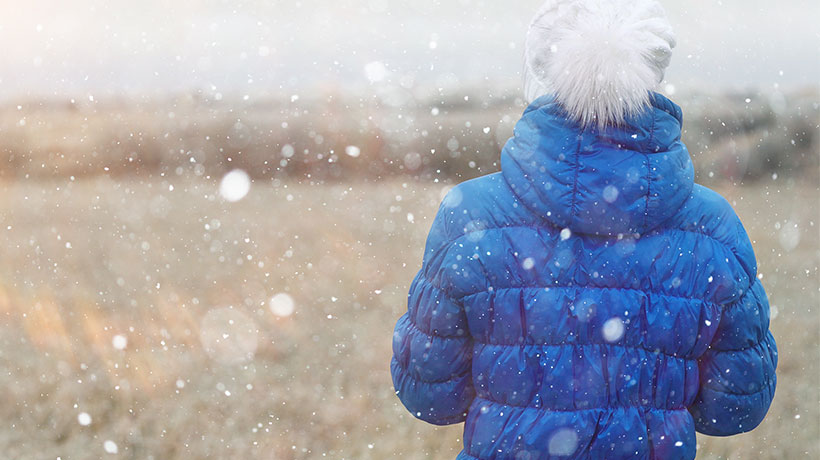
Exposure to cold temperatures leads to changes in the composition of gut microbes, increasing the burning of fat. This is the conclusion of a study recently published in Cell. Conducting experiments in mice, the researchers found that cold exposure led to such a microbial change that fat metabolism and glucose metabolism increased, whilst the body weight of the mice decreased. The mice were exposed to cold temperatures for 10 days, and the bacteria in their guts were harvested and transplanted into microbe-free guts of other mice. The glucose and fat metabolism of these mice increased, whilst they also lost weight.

However, after 3 weeks of cold exposure, the weights of the mice returned to normal. It was suspected that the intestines of these mice had grown, allowing it to absorb more nutrients, meaning that additional weight loss was being counteracted. Mirko Trajkovski, senior author, said, “Gut microbes enable mammals to harvest more energy from food as a way to adapt to the increased energy demand associated with long periods of cold exposure, protecting against hypothermia. We were surprised to see that gut microbes had such dramatic effects on the structure and function of the intestine.” The authors are keen to start exploring the therapeutic potential of the identified microbes, as they could provide promising targets for the prevention and treatment of obesity.
Read more

PREV
NEXT

Related Posts

Green tea in a small cup.
September 17, 2025
Green Tea Shows Significant Benefits for Glucose Metabolism and Muscle Health in Mice with Obesity
Read More
Child eating food.
April 15, 2024
Heightened risk of iron deficiency in children with overweight and obesity
Read More
March 17, 2016
Tailor made fat storage a thing of the present
Read More
Closeup of home made burgers on a wooden table.
December 11, 2024
New study reveals half of calories in US households come from ultraprocessed foods
Read More

CCH LINKS

FAQ
HOW TO APPLY
ACADEMIC ADVISORY BOARD
FACULTY AND STAFF
TERMS & CONDITIONS
CCH EDUCATION SERVICES

OUR PARTNERS

NOF
Haringey Obesity Alliance
Skills Active
CPD UK
ASO
REPS
Southwark
DIT
Healthcare Uk
OAC

ABOUT CCH

CONTACT US
[email protected]
+44 (0)20 3773 4895
Technopark, 90 London Road, LONDON, SE1 6LN
 

© The College of Contemporary Health