Daily Brazil nut consumption may reduce inflammation and support gut health, new study suggests
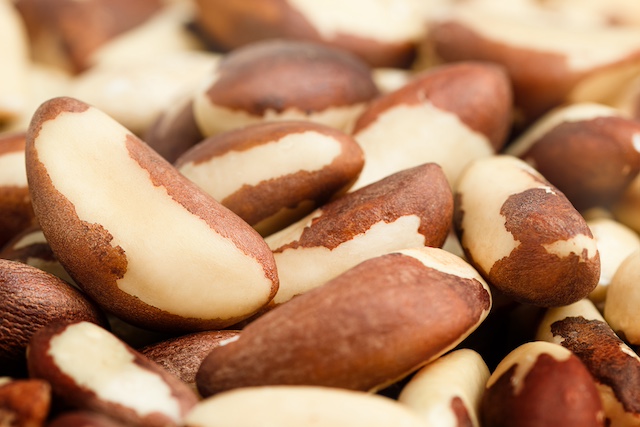
Brazil nuts are one of the most concentrated sources of selenium, a trace mineral that plays a crucial role in the body’s antioxidant defences, immune response, and thyroid hormone metabolism. Selenium deficiency has been linked to several health issues, including chronic inflammation and impaired gut health.
Low levels of selenium in the bloodstream have been associated with inflammation-related conditions, including gut health challenges. Research has also identified connections between obesity, inflammation, and gut issues such as increased intestinal permeability, commonly known as “leaky gut.” This condition may occur when inflammation and body fat levels rise, causing the tight junctions in the cells lining the intestines to loosen. When these junctions become less effective, antigens, toxins, and bacteria may enter the bloodstream, triggering further inflammation, thus creating a harmful cycle where obesity exacerbates intestinal permeability, and vice versa.
In a recent study, researchers examined the impact of daily consumption of Brazil nuts on inflammation and intestinal permeability, specifically focusing on women living with overweight or obesity, during an 8-week calorie-restricted diet. The study’s findings, published in The Journal of Nutrition, suggest that eating 8 grams of Brazil nuts per day could improve these health markers, likely due to their rich selenium content.
The Brazil nuts used in the study were sourced from Amazonas, Brazil, and donated by ECONUT. However, attempts to contact ECONUT for comment were unsuccessful at the time of publication, and their involvement in the study was not noted as a conflict of interest.
The Study’s Design and Findings
The study was conducted by researchers from the Department of Nutrition and Health at the Universidade Federal de Viçosa in Brazil between June 2019 and September 2021. It involved 56 women aged 20 to 55, with an average age of 34 years. The women were categorised as either living with overweight or obesity, with 17.4% having specific cardiometabolic risk factors and 82.6% living with obesity, regardless of risk factors.
Participants were excluded from the study if they were pregnant, lactating, menopausal, athletes, vegan, had certain medical conditions, were using specific medications, had experienced significant weight changes, regularly consumed nuts, or had other potential study interferences.
The participants were divided into two groups: a control group and a Brazil nut group. Both groups followed a customised menu designed to provide approximately 500 fewer calories than their estimated daily energy requirements. The macronutrient composition of the diet was 50% carbohydrates, 30% fats, and 20% proteins, in line with established obesity management guidelines. Each participant was encouraged to lose at least 4 kilograms over the 8-week period.
To ensure a balanced intake of fats and calories, both groups were provided with controlled-ingredient salad dressings:
- Control group: Followed a nut-free diet and consumed 10 grams of soybean oil-based salad dressing with lemon daily.
- Brazil nut group: Consumed 8 grams of Brazil nuts (providing 347.2 micrograms of selenium) as a morning snack and 5 grams of canola oil-based salad dressing with lemon each day.
Participants received bi-weekly counselling from a nutritionist who monitored their diet adherence, including alcohol consumption. Any participant who failed to adhere to the study protocol was excluded from the final analysis.
Researchers measured inflammatory markers in the blood and selenium levels. Intestinal permeability was assessed using the lactulose/mannitol test (LM ratio), and statistical analyses were conducted to evaluate changes between the groups, with a 97% power to detect differences in intestinal permeability.
Brazil Nuts Associated with Reduced Inflammation and Improved Gut Health
Of the 56 women initially recruited, 46 completed the study. At the start, the control group had a higher intake of polyunsaturated fats compared to the Brazil nut group. During the 8-week intervention, the control group reduced their intake of saturated fats, while the Brazil nut group increased their intake of polyunsaturated fats and dietary fibre.
Both groups achieved similar calorie restrictions and experienced modest weight loss (approximately 3 kilograms) and small reductions in waist circumference. However, the Brazil nut group showed a significant increase in selenium levels, confirming adherence to their Brazil nut consumption.
Compared to the control group, the Brazil nut group exhibited lower levels of inflammatory markers, including C-reactive protein (CRP), tumour necrosis factor (TNF), interleukin-1β (IL-1β), and interleukin-8 (IL-8), indicating a reduction in systemic inflammation. In the Brazil nut group, CRP levels decreased from 7.1 mg/L to 5.6 mg/L over the 8 weeks, while the control group saw an increase in CRP levels from 8.0 to 9.4 mg/L. Although the exact mechanism behind these changes is not fully understood, it is likely linked to improvements in gut inflammation and intestinal permeability.
Women in the Brazil nut group who lost more weight also showed more pronounced reductions in CRP levels. Additionally, this group demonstrated lower lactulose excretion and LM ratio values, which are markers of improved intestinal permeability. However, these changes were not statistically significant when compared to the control group.
Further analysis revealed that higher blood selenium levels were associated with lower levels of IL-1β and IL-8, and changes in IL-8 were related to the LM ratio. These findings suggest that selenium levels may predict improvements in both systemic inflammation and gut permeability.
Study Limitations and Expert Insights
This study had certain limitations, including its small sample size, short duration, and the fact that it only included young to middle-aged women from Brazil. As a result, the findings may not be generalisable to other populations. The participants were also not blinded to their dietary interventions, the study was not randomised, and calorie restriction adherence was primarily self-reported, which may have introduced reporting errors.
Commenting on the study, registered dietitian Alyssa Simpson, RDN, CGN, CLT, who was not involved in the research, highlighted the need for further studies to isolate the effects of selenium from other dietary variables. She stated: “The findings indicate that selenium from Brazil nuts significantly influences inflammation and intestinal permeability, but the simultaneous increases in polyunsaturated fats and fibre intake complicate attributing the effects solely to selenium.”
Simpson suggested that a more controlled study design could help clarify the individual effects of selenium, polyunsaturated fats, and fibre on inflammation and gut health.
Dr. Thomas M. Holland, a physician-scientist from the RUSH Institute for Healthy Aging, added: “In this study, increased selenium levels correlated with reductions in inflammatory cytokines and improvements in intestinal permeability, which may enhance the absorption of nutrients.”
How Many Brazil Nuts Should You Eat Per Day?
Kiran Campbell, RDN, a medical nutrition advisor, explained that the human body cannot produce selenium, making dietary intake essential. While a single Brazil nut provides approximately 96 micrograms of selenium—nearly double the recommended daily intake for most adults—experts recommend consuming just 1–2 Brazil nuts per day to avoid exceeding the safe upper limit of 400 micrograms of selenium per day.
The European Food Safety Authority (EFSA) has set a lower upper limit of 255 micrograms of selenium daily for adult men and women. Consuming too much selenium can lead to toxicity, with symptoms such as brittle nails, hair loss, skin rashes, and neurological issues.
In conclusion, incorporating 1–2 Brazil nuts daily may offer practical and beneficial effects in reducing inflammation and supporting gut health, but they should be consumed as part of a well-rounded, healthy diet.