[email protected]

+44 (0)20 3773 4895

logologologo
  • About Us
    • The College
    • Advisory Board
    • Our Faculty and Team
    • Intelligence Hub
  • Topic Areas
    • Obesity Care
    • Digital Health
    • Behaviour Change
  • Courses
    • CPD Short Courses
    • PGCert in Obesity Care
    • PGCert in Digital Health
  • Apply
    • Postgraduate Qualification in Obesity Care
    • Postgraduate Qualification in Digital Health
    • FAQs
  • Resources
    • News
    • Our Publications
    • Monthly News Bulletins
    • Funding Options
  • Contact Us
    • Contact Us
  • Student Login

No products in the cart.

logologologo
  • About Us
    • The College
    • Advisory Board
    • Our Faculty and Team
    • Intelligence Hub
  • Topic Areas
    • Obesity Care
    • Digital Health
    • Behaviour Change
  • Courses
    • CPD Short Courses
    • PGCert in Obesity Care
    • PGCert in Digital Health
  • Apply
    • Postgraduate Qualification in Obesity Care
    • Postgraduate Qualification in Digital Health
    • FAQs
  • Resources
    • News
    • Our Publications
    • Monthly News Bulletins
    • Funding Options
  • Contact Us
    • Contact Us
  • Student Login

No products in the cart.

  • About Us
    • The College
    • Advisory Board
    • Our Faculty and Team
    • Intelligence Hub
  • Topic Areas
    • Obesity Care
    • Digital Health
    • Behaviour Change
  • Courses
    • CPD Short Courses
    • PGCert in Obesity Care
    • PGCert in Digital Health
  • Apply
    • Postgraduate Qualification in Obesity Care
    • Postgraduate Qualification in Digital Health
    • FAQs
  • Resources
    • News
    • Our Publications
    • Monthly News Bulletins
    • Funding Options
  • Contact Us
    • Contact Us
  • Student Login
March 16, 2016 by Nigel Hinchliffe Obesity Care 0 comments

Dietary fibre may hold key to stopping intergenerational obesity

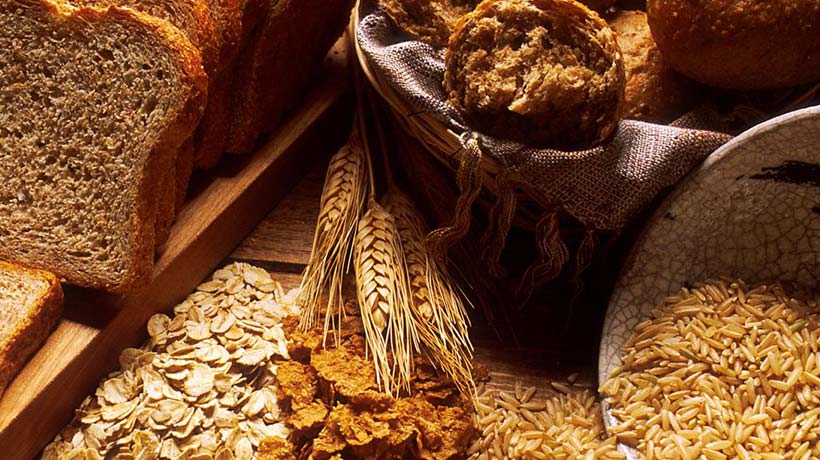
A recent study has shown how prebiotics, forms of dietary fibre, may alter maternal gut bacteria and halt the chances of obesity ‘running in the family’. The researchers, from the University of Calgary, aimed to use diet to change mothers’ gut bacteria in such a way that the intergenerational cycle of obesity was broken. They wanted to do this by identifying healthy foods to feed beneficial bacteria, thereby counteracting the negative effects of unhealthy foods. Prebiotics are naturally occurring forms of dietary fibre and can be found in foods such as garlic, onions and wheat. They are non-digestible and they stimulate and feed health promoting bacteria.

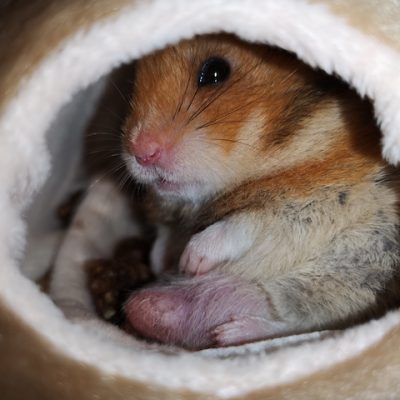
Prebiotic supplements were given to rats and they were also fed high fat and high sugar diets, the other group of rats received the same diet but no supplement. It was found that the rats taking the supplements ate less and eventually had a lower percentage of body fat compared with the control group. Whilst the prebiotic encouraged the growth of ‘good’ bacteria, they also led to the release of hormones that promoted a sense of satiety, meaning that the rats subsequently ate less. The researchers do emphasise however that humans are far more complex than rats, and the use of prebiotics should not be seen as fully transferable yet, or even thought of as a cure for obesity, further study into the use of prebiotics in humans is therefore needed.
Read more

PREV
NEXT

Related Posts

March 20, 2018
Socioeconomic status in childhood and obesity in adults: a population-based study
Read More
November 11, 2015
Components of breastmilk contributing to passing on of obesity
Read More
Child eating at a table
April 19, 2023
Obesity in childhood and puberty linked to higher risk of blood clots in later life
Read More
December 21, 2016
New potential therapeutic target receptor identified
Read More

CCH LINKS

FAQ
HOW TO APPLY
ACADEMIC ADVISORY BOARD
FACULTY AND STAFF
TERMS & CONDITIONS
CCH EDUCATION SERVICES

OUR PARTNERS

NOF
Haringey Obesity Alliance
Skills Active
CPD UK
ASO
REPS
Southwark
DIT
Healthcare Uk
OAC

ABOUT CCH

CONTACT US
[email protected]
+44 (0)20 3773 4895
Technopark, 90 London Road, LONDON, SE1 6LN
 

© The College of Contemporary Health