[email protected]

+44 (0)20 3773 4895

logologologo
  • About Us
    • The College
    • Advisory Board
    • Our Faculty and Team
    • Intelligence Hub
  • Topic Areas
    • Obesity Care
    • Digital Health
    • Behaviour Change
  • Courses
    • CPD Short Courses
    • PGCert in Obesity Care
    • PGCert in Digital Health
  • Apply
    • Postgraduate Qualification in Obesity Care
    • Postgraduate Qualification in Digital Health
    • FAQs
  • Resources
    • News
    • Our Publications
    • Monthly News Bulletins
    • Funding Options
  • Contact Us
    • Contact Us
  • Student Login

No products in the cart.

logologologo
  • About Us
    • The College
    • Advisory Board
    • Our Faculty and Team
    • Intelligence Hub
  • Topic Areas
    • Obesity Care
    • Digital Health
    • Behaviour Change
  • Courses
    • CPD Short Courses
    • PGCert in Obesity Care
    • PGCert in Digital Health
  • Apply
    • Postgraduate Qualification in Obesity Care
    • Postgraduate Qualification in Digital Health
    • FAQs
  • Resources
    • News
    • Our Publications
    • Monthly News Bulletins
    • Funding Options
  • Contact Us
    • Contact Us
  • Student Login

No products in the cart.

  • About Us
    • The College
    • Advisory Board
    • Our Faculty and Team
    • Intelligence Hub
  • Topic Areas
    • Obesity Care
    • Digital Health
    • Behaviour Change
  • Courses
    • CPD Short Courses
    • PGCert in Obesity Care
    • PGCert in Digital Health
  • Apply
    • Postgraduate Qualification in Obesity Care
    • Postgraduate Qualification in Digital Health
    • FAQs
  • Resources
    • News
    • Our Publications
    • Monthly News Bulletins
    • Funding Options
  • Contact Us
    • Contact Us
  • Student Login
March 17, 2016 by Nigel Hinchliffe Obesity Care 0 comments

Peanut snacking may help ward off obesity

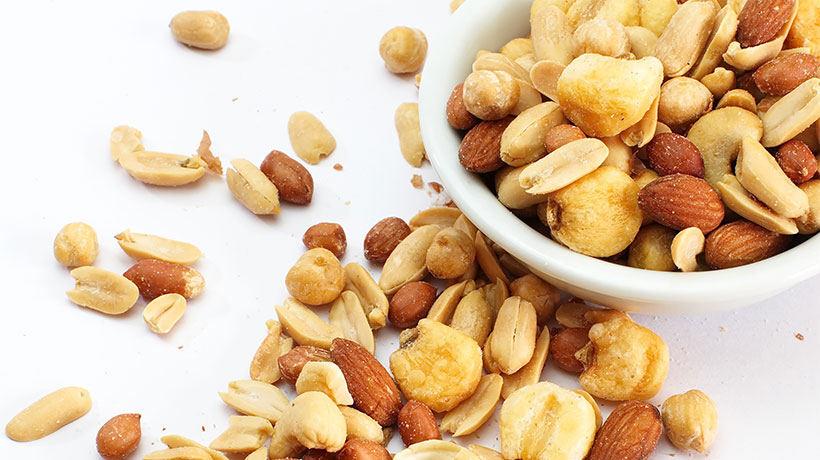
A recent study found a reduction in BMI of Hispanic middle school children who took part in a peanut snacking intervention. The study was carried out at the University of Houston and was performed over 12 weeks. The authors observed that snacking is very common amongst adolescents and by stopping the consumption of unhealthy snacks, and initiating the consumption of healthier alternatives, they may be able to address the development of obesity. Before the study was carried out the researchers found that many children skip meals throughout the day, for a number of reasons, and this can cause them to snack more often. Students were given nutritional advice and split into 2 groups, where one received a peanut snack 3-4 times a week, and the other only once. Peanuts were chosen as they are nutrient dense and promote a feeling of satiety.

It was found that the students who received more peanuts experienced are higher reduction of BMI, compared to those that only received peanuts once a week. The authors are keen to emphasise that afterschool programs such as this can have both a direct effect, by reducing the weight of children, but also change the mind-set and food choices of children. They are hoping to continue research into the use of afterschool programs that can prevent obesity.


Read more

PREV
NEXT

Related Posts

March 3, 2016
Gene variant can influence food choices
Read More
Man with obesity exercising outdoors.
March 25, 2025
High-fat diet and obesity impair key immune functions, new study finds
Read More
September 14, 2016
Caesarean sections increase risk of obesity in children
Read More
Stethoscope on electrocardiogram ECG, heart wave, heart attack, cardiogram report.
September 6, 2024
Scientists identify key enzyme connecting obesity and atrial fibrillation offering new hope for treatment
Read More

CCH LINKS

FAQ
HOW TO APPLY
ACADEMIC ADVISORY BOARD
FACULTY AND STAFF
TERMS & CONDITIONS
CCH EDUCATION SERVICES

OUR PARTNERS

NOF
Haringey Obesity Alliance
Skills Active
CPD UK
ASO
REPS
Southwark
DIT
Healthcare Uk
OAC

ABOUT CCH

CONTACT US
[email protected]
+44 (0)20 3773 4895
Technopark, 90 London Road, LONDON, SE1 6LN
 

© The College of Contemporary Health